[ad_1]
In summer months exposure to sun increases And so you have to protect yourself to Prevent the harmful effects of ultraviolet rays on the skin and eyes. In addition to a correct photoprotection, the General Council of Official Pharmaceutical Colleges of Spain emphasizes that it is also necessary to have caution if they are taken photosensitizing medicationswhich are those that, combined with solar radiation, They can cause adverse reactions in the body.
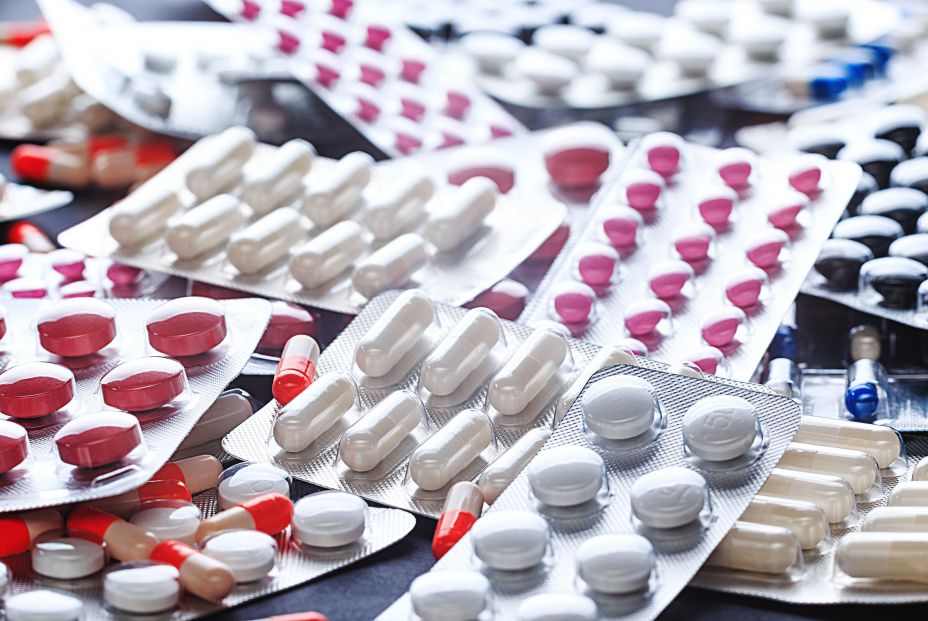
Specifically, they exist approximately 200 photosensitizing drugs According to Bot Plus, the Database of the Medication of the General Council of Pharmaceutical Colleges, contained in around 4000 presentations of drugs marketed in Spain.
Pharmacists emphasize that, from all of them, among the most frequently used by the population are the following:
-
Antibiotics: fluoroquinolones, such as ciprofloxacin or levofloxacin; macrolides, such as azithromycin; Tetracyclines, such as doxiciclin.
-
Antidepressants: Duloxetine, fluoxetine, sertraline or amitriptyline.
-
Non -steroidal anti -inflammatories: Ibuprofen or diclofenac, among them, also including the forms of topical application, such as creams or gels.
-
Antihistamines: Ebastina, Loratadine or cetirizin, including those that are administered topically, such as diphenhydramine, used for mosquito bites.
-
Antihypertensives: angiotensin converting enzyme inhibitors (Enalapril, Captopril, Lisinopril or Ramipril); Antagonists of Angiotensin II receptors (Candesartán, Losartán or Valsartan).
-
Antipsychotics: Olanzapina, Aripiprazole.
-
Retinoids: isotretinoin or retinoic acid.
-
Hypolipemiants: statins (atorvastatin, logovastatin, pravastatin or simvastatin).
- Diuretics: furosemide, hydrochlorotiazide.
To this list of drugs you have to add Other products that can produce reactions adverse, as determined cosmetics containing dyes, perfumeslemon or lavender essences, o Compounds such as retinol or glycolic acid. In those cases, its use is advised at night and a high sun protection for the day is applied.
Type of reactions
From the General Council of Pharmaceutical Colleges, they clarify that photosensitizing medications They can cause two types of reactions: the phototoxic and the Photo allergic.
The first are the most frequent: They occur in people who use High doses of a photosensitizing drug and They appear immediately after sun exposure. They are injuries that suggest a exaggerated solar burnwith a feeling of burning and formation of Ampoules or urticaria. Its scope varies in each person, from the differences in absorption and metabolism, the type of skin and its thickness, among other factors.
Instead, the Photo allergicwhich are more rare, arise After the application of topical medications (ointments, gels, etc.). Its origin is a Photochemical reaction after exposure to solar radiation. They appear in people with predisposition, even with low doses of the medication, by activation of the immune system. They manifest after several hours of sun exposure (12-72 h) in the form of Contact dermatitiswith rash Eccema type, Swelling and itchingbeing able to spread beyond the leather zone exposed to the sun.
Recommendations
From the pharmacy the population is urged to Do not stop taking your self -accounting for the fear of suffering a reaction phototoxic and photosensitive without consulting with your doctor or pharmacist. And is that Do not continue with treatments can cause relapses and a bad control of the disease for which it has been prescribed.
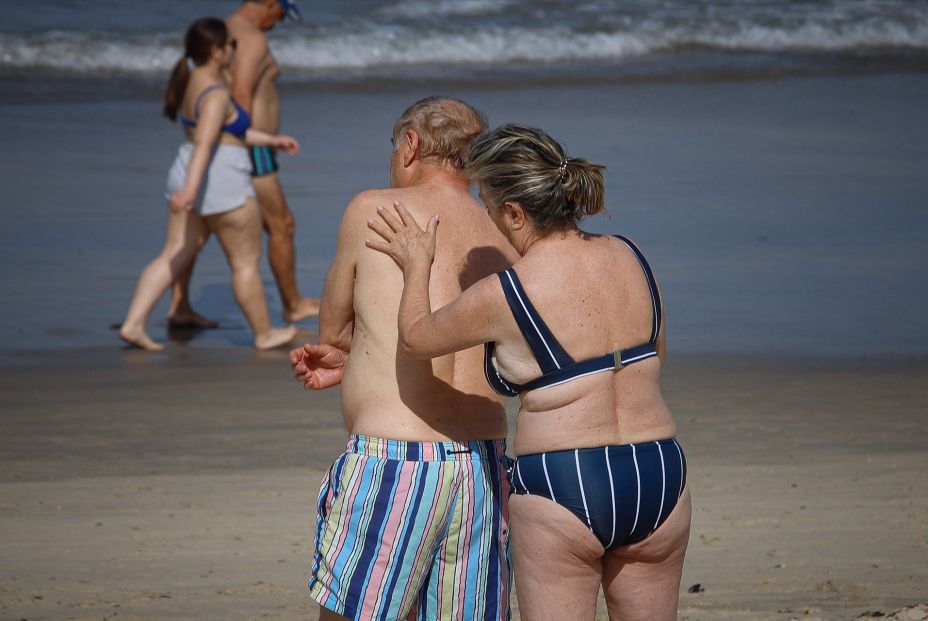
Likewise, pharmacists point out that a series of Basic recommendations If you are using a photosensitizing medication, among which are:
- Always use sunscreen in sufficient quantity and with high sun protection factor, and renewing its application every 2 hours and after each bath.
- Remember that You also have to protect yourself from the sun in winterNot only in summer. Patients with low phototypes (white skins and with a tendency to burn) should extreme precautions for good photoprotection.
-
Avoid exposing yourself to the Sun in the central hours of the day (especially between 12:00 and 4:00 pm) or on days with higher ultraviolet index. And, in case of exposure, protect yourself properly with clothes, glasses, hat, etc. Protect, above all, sensitive skin areas, such as face, neck, bald, shoulders, neckline, ears, hands and instead.
-
Consult with the doctor or pharmacist of trust if the medications they are using contain photosensitizing agents capable of inducing allergies or phototoxicity reactions if the sun is taken while used. Pharmaceutical intervention involves a high guarantee in the effectiveness and safety of medication treatments.
- Be alert to the minimum symptom Dispoupled solar burn, in which case it may be necessary to consult the doctor.
[ad_2]
Source link