[ad_1]
From the One Health Group of the Spanish Society of Emergency Medicine (SEMES) warn of the need for Emergency Services to be prepared for the detection, isolation and notification of possible cases of avian flu, following the increase in outbreaks around the world.
Although in Spain the risk for the general population remains very low, and low for people with occupational exposure, “Emergency services must be aware and prepare to control possible cases”they point out in a statement, in which they recall that in Spain outbreaks have been detected in farms in several autonomous communities and in wild birds.
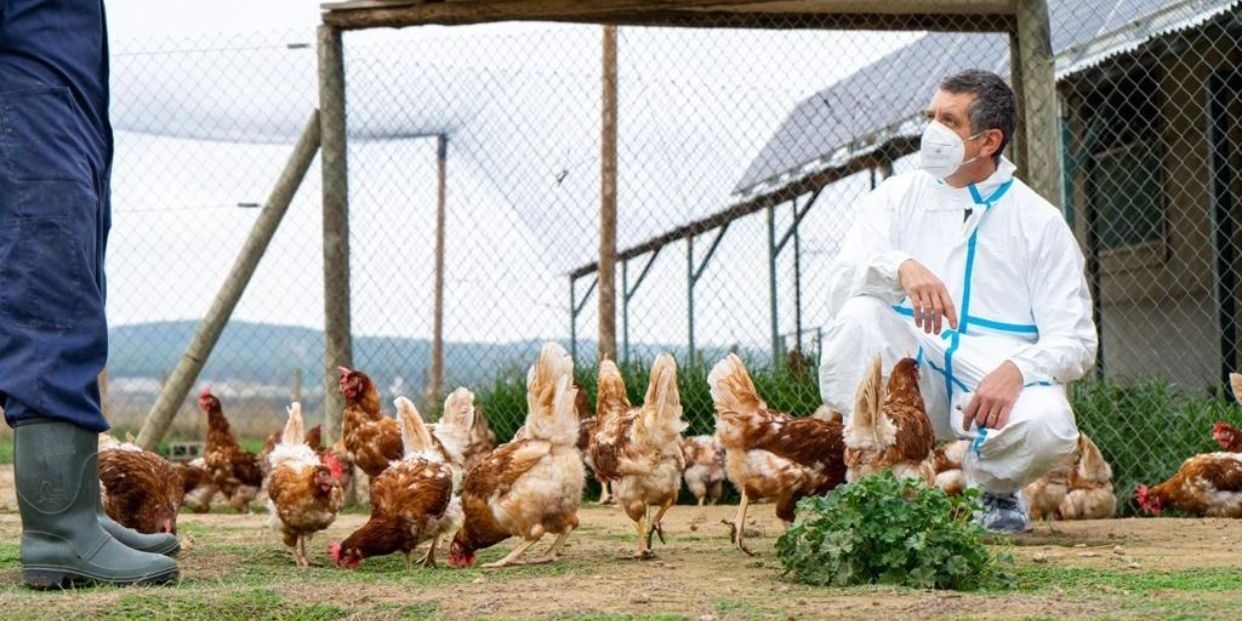
Specifically, since July 2025, outbreaks have been detected in different farms in Extremadura, Castilla-La Mancha, Andalusia and Castilla y León, as well as in wild birds in different parts of the national geography, including the Doñana National Parkof special relevance for the conservation of protected species. At the international level, data updated until June 2025 indicates that there have been 1,292 outbreaks in poultry in 47 countries and 1,619 outbreaks in wild birds in 49 countries.
In mammals, outbreaks doubled in 2024 compared to 2023, reaching more than 1,000 cases in 55 countries, highlighting the outbreak in cattle in the United States. In humans, from 2024 to May 2025, 94 cases and 9 deaths have been confirmed worldwide, almost always associated with direct contact with infected animals. In the European Union, no human cases have been reported since 2024.
“It is essential to reinforce surveillance, prevention and preparation in Emergency Services for a quick and effective approach to possible suspicious cases,” says the doctor. Ana Ríos Gonzálezemergency physician, veterinarian of the One Health Group, who asks “don’t let your guard down” although the risk for the general population is very low.
In general, as prevention, remember that you have to avoid touching sick or dead birds nor wild mammals with anomalous behavior. In case of discovery, call 112 and communicate with SEPRONA. In addition to consuming only pasteurized milk and dairy products; cook poultry and eggs thoroughly; and always wash your hands thoroughly after visiting farms, wetlands or reserves.
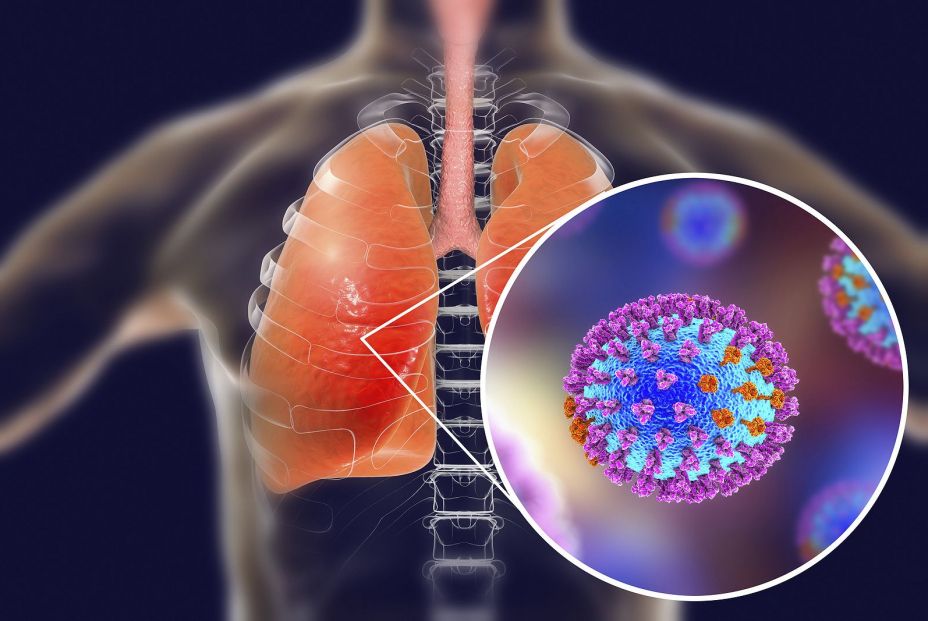
Regarding the risk population, it recommends reinforce prevention in people with occupational exposure (poultry and livestock farm workers, exposure to wildlife in conservation centers, ornithologists, slaughterhouse and laboratory workers, veterinarians, hunters, etc.).
In addition to the annual seasonal flu vaccination; active surveillance and sampling in case of exposure, and post-exposure prophylaxis with oseltamivir or zanamivir in the first 36 hours after contact.
While it reminds health professionals that when there is suspicion, patients with compatible clinical symptoms should always be asked about possible exposures; wear PPE (FFP2/3, eye protection and gloves; and consider influenza testing and subtyping of influenza A positive samples.
[ad_2]
Source link