[ad_1]
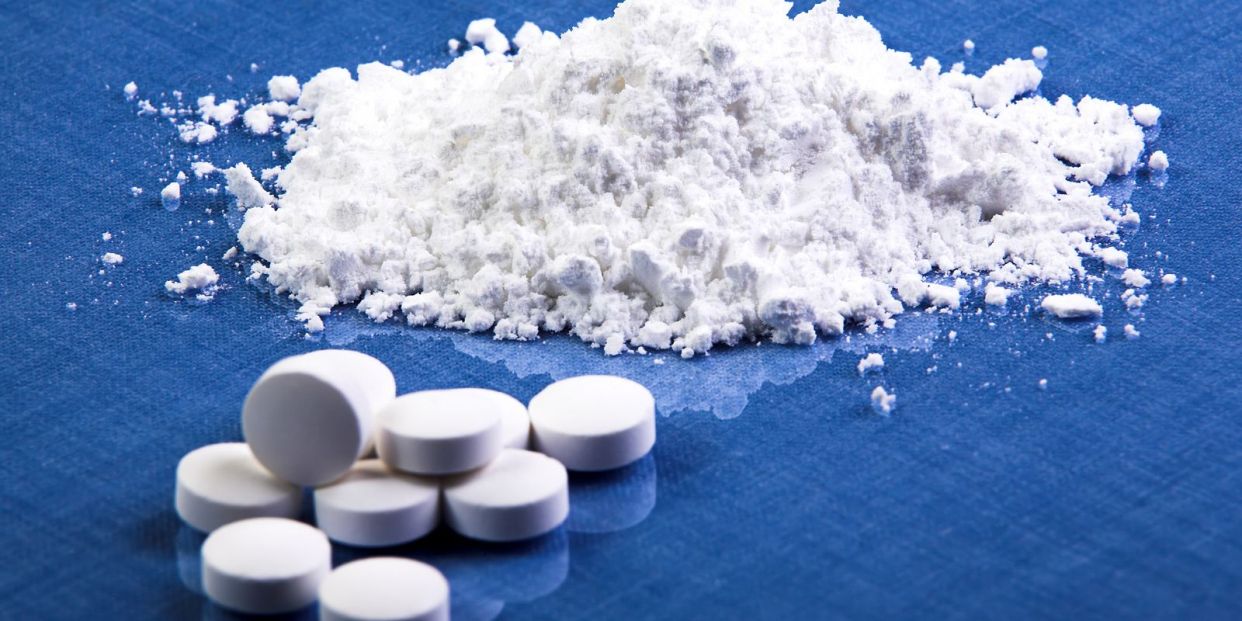
The Spanish Agency for Medicines and Health Products (AEMPS)dependent on Ministry of Healthwarns that handling solid oral pharmaceutical forms such as tablets or pills can negatively influence in its therapeutic efficacy and cause adverse reactions, both to patients and to those who handle the drugs.
Furthermore, this manipulation can have a greater impact on the modified release pharmaceutical forms (for example, delayed release, such as gastro-resistant or extended-release), sublingual tablets (as they should not be swallowed) and narrow therapeutic range medications. Therefore, in general, medications should not be manipulated.

However, it is understood that the need may arise exceptionally to manipulate the pharmaceutical form to facilitate its administration, resorting to practices such as split, crush, dissolve tablets or open capsulesas well as mixing them with thickeners and foods. Therefore, it is essential to keep in mind that not all medications can be manipulated without compromising their effectiveness or safety and that, if necessary, you must first see the package insert.
Among the exceptional cases, it points out the clinics and healthcare contexts that make the use of these pharmaceutical forms difficult, such as swallowing problems (especially relevant in geriatric or institutionalized patients), the use of enteral tubes, administration in children or the need to make dose adjustments.
What happens if a medication is tampered with?
This organization warns that if the drug is manipulated, an lack of effectivenessdue to degradation of the active ingredient or due to changes in the release of the active ingredient and the site of absorption and, as a consequence, changes in its bioavailability.
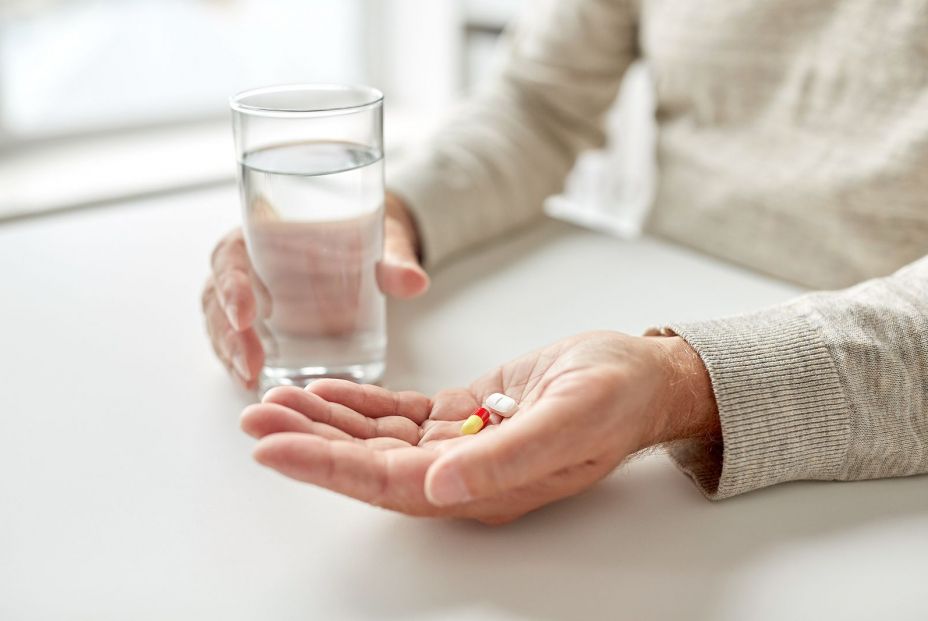
In addition, organoleptic alterations such as changes in flavor, color, etc.; irritation or injuries to the oral or gastrointestinal mucosa, especially the esophagus and stomach. And, furthermore, the person handling the medication may be accidentally exposed to it, which can cause, among other problems, skin, eye or mucous membrane involvement.
Recommendations for action for patients and caregivers
Before handling any pharmaceutical form, first of all, remember that it is important to consult the technical sheet or medication leaflet to check if alternative administration methods are accepted, such as breaking, crushing, dispersing the tablets or opening the capsules, to facilitate swallowing.
In the event that an appropriate administration method is not contemplated for the patient, the Agency recommends look for alternative dosage forms that allow their administration without the need for manipulation. This is the case, for example, of liquid oral pharmaceutical forms (solutions, suspensions or oral drops) or some solid forms, such as orodispersible, sublingual, chewable or dispersible forms.
And if there are no suitable pharmaceutical forms either, The recommendation is to consult with a health professional. (or pharmacy service of the health center or hospital) to determine if handling the medication is possible and how it should be done. As an alternative, for some active ingredients, the master formulation of oral solutions is contemplated, especially for use in pediatrics.
[ad_2]
Source link