[ad_1]
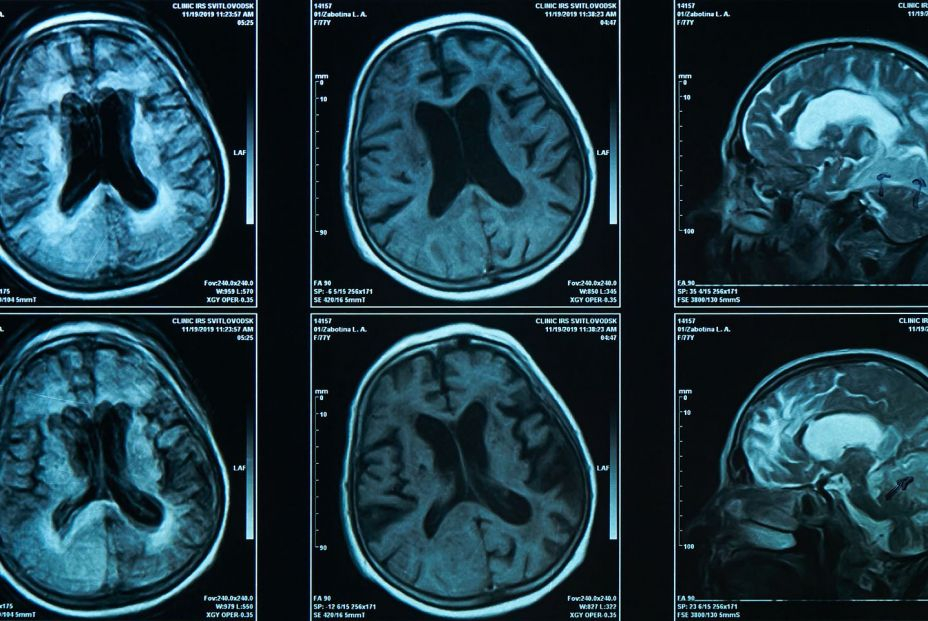
Only 16.1% of patients access biomarker tests to detect Alzheimer’s in Spain, despite the fact that more than 80% of specialists consider them essential to diagnose this neurodegenerative disease, according to the multinational survey Adelphi Real World Dementia.
The study, which has been presented during the Alzheimer Europe Conference 2025shows that this gap also exists at the international level, since taking into account the average of the countries analyzed, only 15.2% of the patients accessed the biomarker tests to confirm the specific pathology.
The work is based on the responses of 779 doctors that treat a total of 5,551 patients with mild cognitive impairment and Alzheimer’s disease in France, Germany, Italy, Spain, the United Kingdom, Japan and the United States.

Alzheimer’s disease affects approximately 6.9 million of people in Europe, some 800,000 in Spain, and it is expected that this figure will almost double by 2050 due to the aging of the population.
However, during the meeting in which the results of the study were announced, experts in Alzheimer’s and dementia warned that These pathologies continue to be underdiagnosedwhich prevents patients from accessing treatment and care options.
“We are at a critical moment in which the decisions we make now will shape the future of Alzheimer’s disease care in Europe”stated the head of the Department of Geriatric Psychiatry at the Central Institute of Mental Health and professor at the Mannheim Faculty of Medicine at the University of Heidelberg (Germany), Lutz Frölich.
The specialist has highlighted that science has provided solutions to address Alzheimer’s more effectively in its initial phases and to be able to reduce its burden, but he has pointed out that this “will only be possible” if it is achieved expedite diagnosis and guarantee access “timely and equitable” care for all patients.
To the limitation in access, the study adds the delays in diagnosis as a result of considerable delays in the referral process. Thus, the average time until the diagnosis of Alzheimer’s doubles, reaching five months; In the case of Spain and France, patients can wait between six and seven months.
Delay in neurology referrals
Although in cases in which the diagnosis can be made by the Primary Care (PC) doctor, the process is more agile, which reinforces the key role of the first level of care, the survey reveals that referral to neurology remains slow. Specifically, in Spain, the 30.8% of patients with mild dementia and 34.6% of those with mild cognitive impairment.

Among the barriers identified by specialists to achieve an early diagnosis, 61% point to the delay in seeking help by the patients themselves due to stigma associated with the disease.
In turn, the 43% states that patients took time to go to the doctor because did not distinguish between normal aging and cognitive decline caused by Alzheimer’s disease. In Spain, this perception reaches 44% in mild dementia and 26.2% in mild cognitive impairment.
The most common symptoms that motivate a diagnostic consultation are short-term memory loss, concentration/attention difficulties, and problems remembering names or words. Although They are usually detected in the first instance by a family memberstigma and lack of knowledge contribute to the delay in seeking help.
“Deeply worrying panorama”
“These results paint a deeply worrying picture of the diagnosis of Alzheimer’s disease in Europe and sadly reflect the experience of many patients and families, who often remain without answers for too long,” said the executive director of Alzheimer Europe, Jean George.
According to the expert, urgently apply the lessons derived from this research and recognize Alzheimer’s disease as one of the main public health challenges by improving access to innovative tests, increasing the number of specialists and promoting social awareness, would open the door for more people to receive a diagnosis and support when they need it most.
The associate vice president of International Medical Affairs at Eli Lilly, Stephane Epelbaumhas highlighted the opportunities offered by emerging therapies, but has insisted that early detection is necessary for them to be effective.
[ad_2]
Source link