[ad_1]
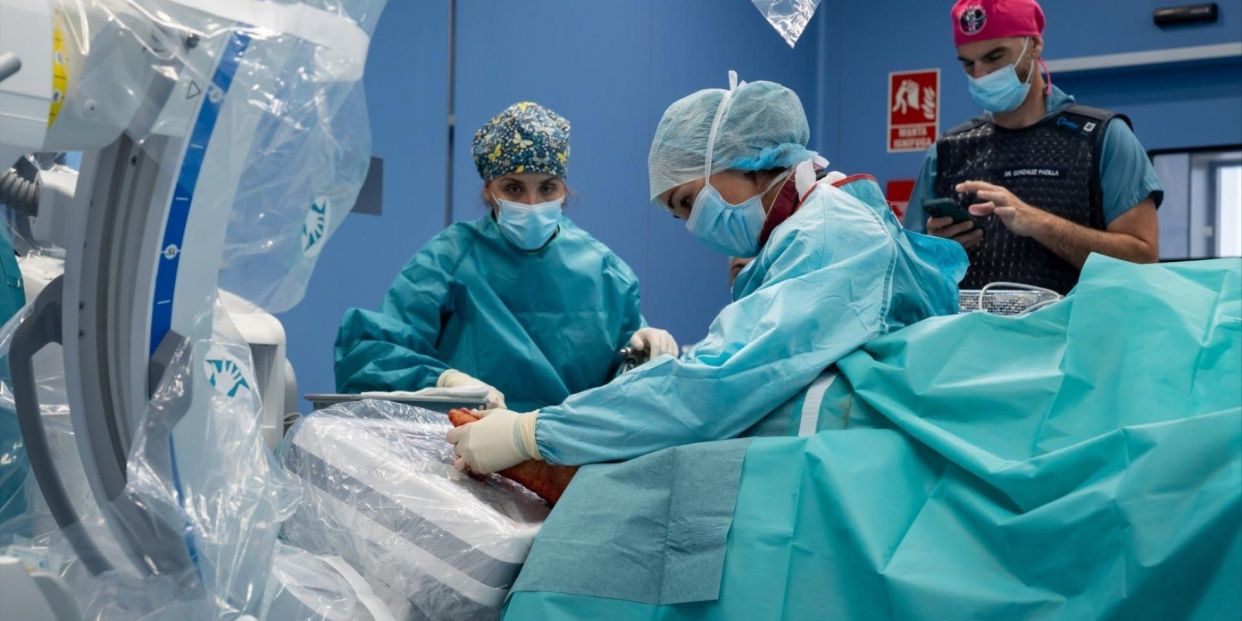
TheSurgical waiting lists in the Community of Madrid have shown a significant improvement during September 2025with a 113% increase in surgical activity. This has allowed us to reduce the average structural delay by more than six days, which represents a 10% decrease compared to the previous month.
According to data published by Sermas on the community’s waiting list websiteshospitals have managed to ensure that almost half of the patients pending surgery wait less than a month. Although the total number of people on the waiting list has increased slightly, management has shown greater efficiency and a recovery in the rate of surgeries after the holiday period.
The report highlights that In August there were 98,479 patients pending surgery, while in September the figure rose to 101,459, an increase of 3%. However, 39,554 departures from the system were made, more than double the number in August, which demonstrates the system’s capacity to absorb accumulated demand.
The reduction of the average structural delay was one of the most notable achievements. This went from 65.4 days in August to 58.9 days in Septemberwhich means that patients waited, on average, one week less. This advance occurred in a context of greater care burden, which indicates an optimization in surgical programming.
Management improvements
The distribution by waiting sections has also improved. In September, 43.1% of patients were within the first month of waiting, compared to 26.9% in August. This means that almost one out of every two patients on the waiting list waited less than 30 days to undergo surgery.
The number of transiently non-programmable (TNP) patients has also decreased. This group went from 10,092 in August to 7,367 in September, which represents a decrease of 27%. The reduction of TNP allows the system to concentrate resources on those who are ready for surgery, contributing to the reduction of average delays.
Additionally, the balance between new additions and departures from the system has improved. The entry/exit ratio fell from 1.24 to 1.07which indicates that the number of patients treated has approached that of new cases added to the list. This suggests a positive trend in the management of waiting lists.
Madrid’s public hospitals have been key in this effort to reduce waiting lists. Among those that stood out in September for their performance were the General University Hospital of Villalba, with an average waiting time of 13.47 days, and the Rey Juan Carlos University Hospital, with 15.25 days.
Featured Hospitals
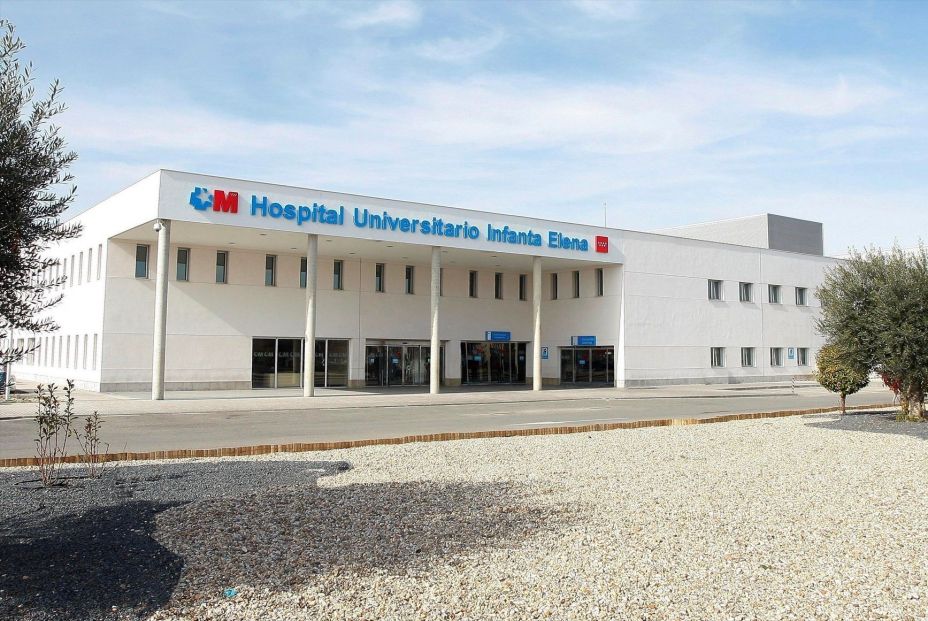
He Fundación Jiménez Díaz University Hospital, of high complexity, has also shown good resultswith an average of 20.18 days. Other hospitals, such as the Infanta Elena University, have achieved waiting times of less than 22 days. These centers share a public-private management and collaboration model.
In contrast, some highly complex hospitals, such as the Ramón y Cajal University Hospital, have exceeded 60 days of waiting. However, None of the hospitals in the Community of Madrid have recorded waiting times that exceed 100 days, standing below the national average of 126 days.
Madrid is thus positioned as the autonomous community with the shortest waiting time for operations. Despite facing the greatest healthcare pressure in the country, the Community of Madrid has managed to maintain the lowest rate, with 10.41 patients per 1,000 inhabitants on the waiting list.
A positive balance
In total, in Spain, there are 846,583 patients pending surgery, which represents a rate of 17.80 patients per 1,000 inhabitants. Comparatively, communities such as Catalonia and Andalusia present rates of 25.10 and 23.11, respectively.
The September balance reflects a general improvement in the indicators of surgical waiting lists in the Community of Madrid. The combination of an increase in surgical activity and more efficient management has allowed progress towards a more agile and accessible system for patients.
[ad_2]
Source link