
[ad_1]
Researchers of the Samsung Advanced Institute of Health Sciences and Technology at Sungkyunkwan University (South Korea) report in mSystemson gut microbes and the mechanisms associated with coronary artery disease.
“We have gone beyond identifying what bacteria live there and now discover what they actually do in the heart-gut connection“says Han-Na Kim, a PhD in genomics at the Samsung Advanced Institute of Health Sciences and Technology at Sungkyunkwan University in Seoul, who led the study.
Almost 20 million people They die every year from cardiovascular diseases, the leading cause of death worldwide. Genetic and environmental factors influence the risk and severity of the disease, but microbes also likely play a critical role, particularly in the development of the disease. coronary artery disease (EAC). Recent studies already suggested that the gut microbiota contributes to the progression of CAD through various pathways, but the specific contribution of bacteria remains largely unknown.
In this new work, the researchers compared fecal samples from 14 people with EAC with samples of 28 healthy people through metagenomic sequencing, which reveals all the DNA in a sample and allows the genomes of individual microorganisms to be reconstructed. Using this genomic reconstruction method, Kim and his collaborators identified 15 bacterial species associated with CAD, as well as metabolic pathways that connect the intestinal microbiota with the progression of the disease.
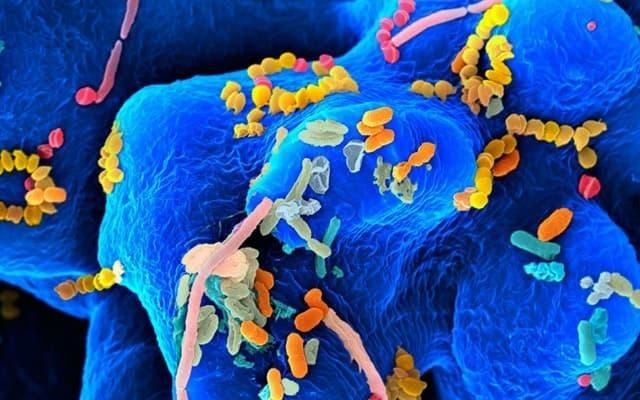
“Our high-resolution metagenomic map shows a drastic functional shift toward inflammation and metabolic imbalance, a loss of short-chain fatty acid-producing bacteria with protective properties, such as Faecalibacterium prausnitzii, and an overactivation of metabolic pathways, such as the urea cycle, linked to disease severity,” explains Kim.
Notably, analysis at the genomic level also suggested that strains of beneficial bacteria can become harmful. Microorganisms generally considered beneficial to human health, such as Akkermansia muciniphila and F. prausnitzii, may have different functions depending on whether they come from healthy or diseased intestinesKim added.
The study also revealed the complexity of trying to relate the microbes with disease progression. Previous studies have found reduced levels of some Lachnospiraceae species associated with coronary artery disease (CAD), for example, but the new study found higher levels of other types. Lachnospiraceae, Kim says, “could be the Dr. Jekyll and Mr. Hyde of the gut.” Some species of these bacteria decrease in people and others proliferate in those with CAD. “The big unanswered question now is which strains are beneficial and which are harmful.”
The next step, according to Kim, is to integrate these microbial signals with genetic and metabolomic data to more accurately map the causal pathways of heart disease. Its main objective is to design precision interventions that allow microbial information to be translated into tools and strategies for the prevention of cardiovascular diseases.
Prevention, Kim concludes, is the most promising frontier in reducing the global burden of heart disease. Microbial therapies could greatly help, for example, by influencing the design of stool-based screening tests or through nutritional interventions that restore beneficial bacteria or block harmful pathways.
[ad_2]
Source link