[ad_1]
The time of day in which the stroke occurs determines its severity and the patient’s recovery, according to a study led by researchers from the National Center for Cardiovascular Research (CNIC), which reveals findings on the regulation exerted by the internal biological clock on neutrophils, immune cells that can aggravate ischemic injury by infiltrating the brain.
Ischemic stroke is one of the main causes of death and disability in the world. Despite advances in acute treatment, patient outcomes remain highly variable, indicating the existence of biological mechanisms that are still poorly understood. This work, published in Circulation Researchidentifies the circadian regulation of the immune response as one of them.
The principal investigator of the project and director of the CNIC Neurovascular Physiopathology Laboratory, Maria Angeles Moroexplained that these changes directly influence collateral circulation, cerebral perfusion and the extent of damage after interruption of blood flow, through immunothrombosis processes.
“Our results show that stroke is not a biologically homogeneous event“The state of the immune system at the time it occurs can determine important differences in severity and recovery,” he highlighted.
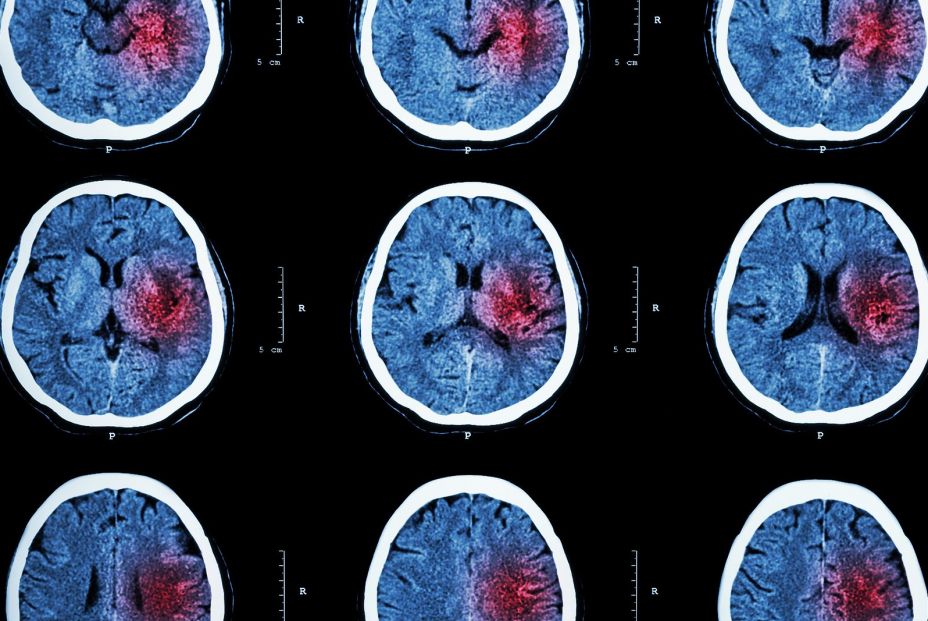
To reach these conclusions, the research team has worked with experimental mouse models and clinical data from more than 500 patients. Thus, it has been found that, in certain phases of the day, neutrophils adopt a more pro-inflammatory profile and release neutrophil extracellular traps (NETs) with greater intensity, structures that can obstruct cerebral microcirculation, cause immunothrombosis and aggravate the injury.
In this way, when neutrophils release more NETs, circulation in the small vessels is compromised and brain damage is greater, as detailed by the CNIC researcher. Sandra Vazquez-Reyescurrently at Massachusetts General Hospital, affiliated with Harvard Medical School (United States).
On the contrary, in other phases of the circadian cycle, neutrophils show less damaging behavior, allowing better perfusion and limiting stroke progression. “This helps to understand why patients with similar clinical characteristics can evolve very differently,” highlighted the researcher from the Complutense University of Madrid. Alicia García-Culebras.
The study introduces the concept of vascular inflammation regulated by the circadian clock and confirms that these mechanisms are also present in stroke patients. “Inflammatory markers and neutrophil activity markers in the blood follow daily rhythms and are associated with both the severity of the stroke and the quality of the collateral circulation,” said the researcher from the Health Research Institute of Hospital 12 de Octubre (i+12) and the UCM Faculty of Medicine. Ignacio Lizasoainand the neurologist from the Stroke Unit of the Neurology Service of the same hospital Patricia Calleja.
The authors have concluded that taking into account time of day and circadian regulation of the immune system could improve the effectiveness of future therapies, opening the door to more precise chronotherapy strategies. Furthermore, the use of blood biomarkers specifics related to immunothrombosis could allow personalized medicine based on both the patient’s characteristics and the biological moment in which the stroke occurs.
[ad_2]
Source link