[ad_1]
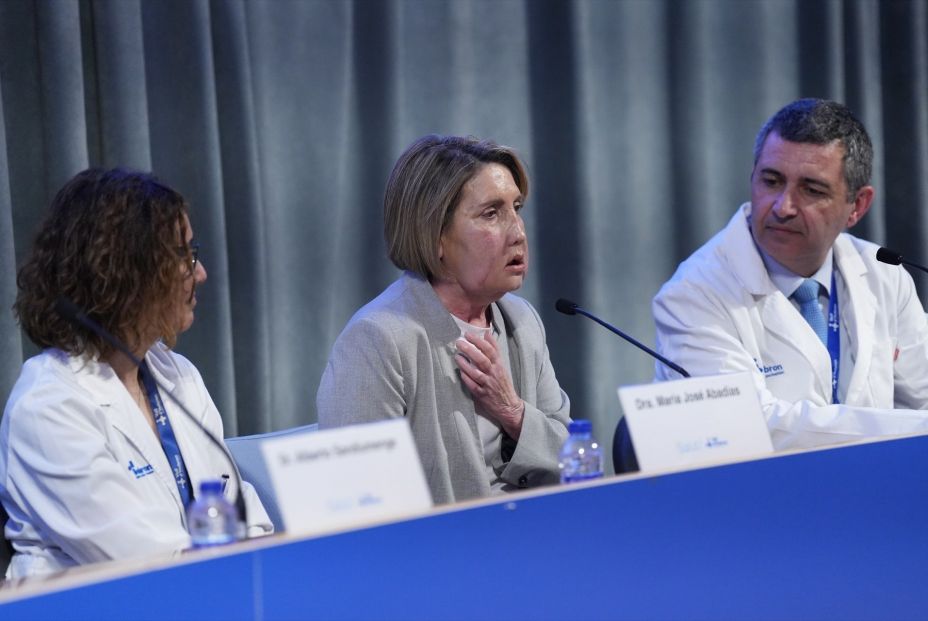
The care director of the Vall d’Hebron Hospital in BarcelonaMaria José Abadías, explained this Monday that the center has carried out “the world’s first face transplant” with the donation of a person who had received Aid in Dying Allowance (Pram), known as euthanasia.
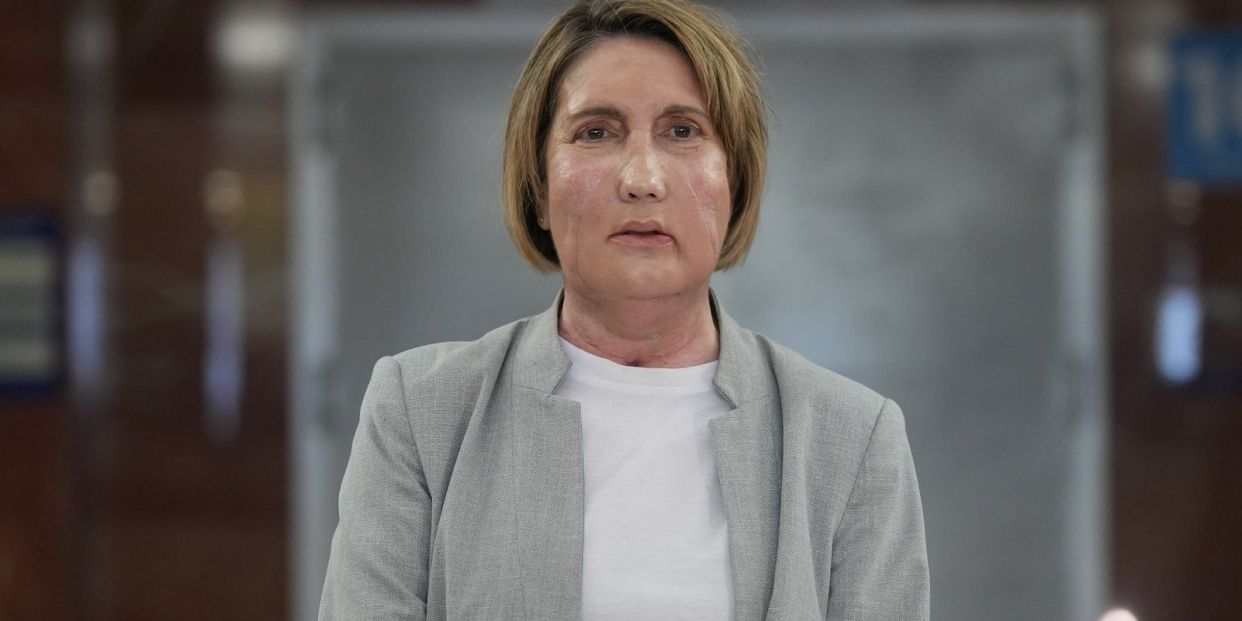
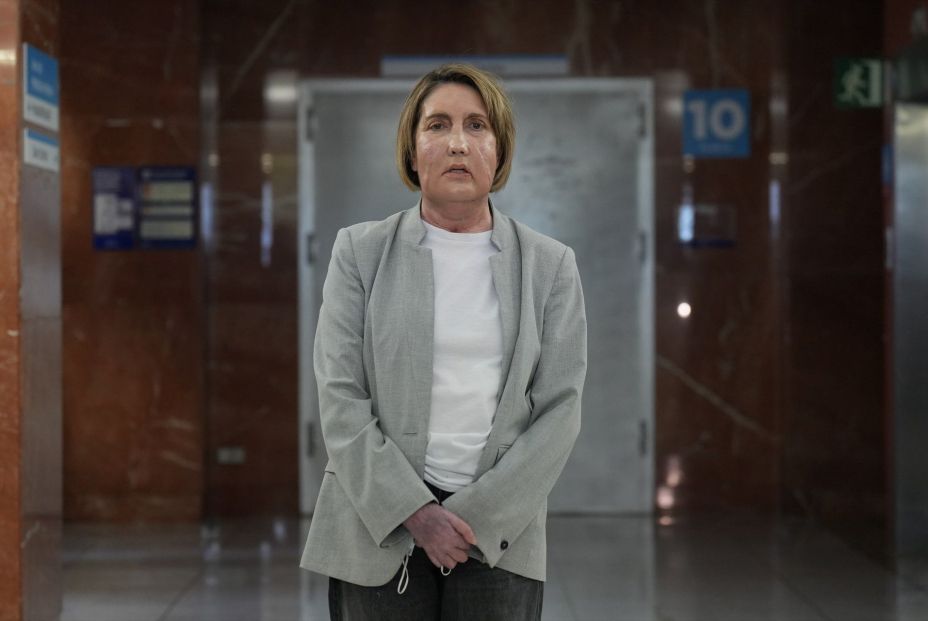
He explained this in a press conference with the recipient of the partial face transplant, Carmenand in which Abadías has detailed that it is the sixth facial transplant performed in Spain –three of which in the Vall d’Hebron– and number 54 worldwide.
We have finished the first transplant of the face of the eye with a donor who will undergo euthanasia. #VallHebron He has carried out 3⃣ of the 6⃣ face transplants from the State, at 🌍 only 5⃣4⃣ have been performed. Only 2⃣0⃣ centers are capable of carrying out the intervention, with maximum complexity. pic.twitter.com/rpG9Lp8EmA
— Vall d’Hebron (@vallhebron) February 2, 2026
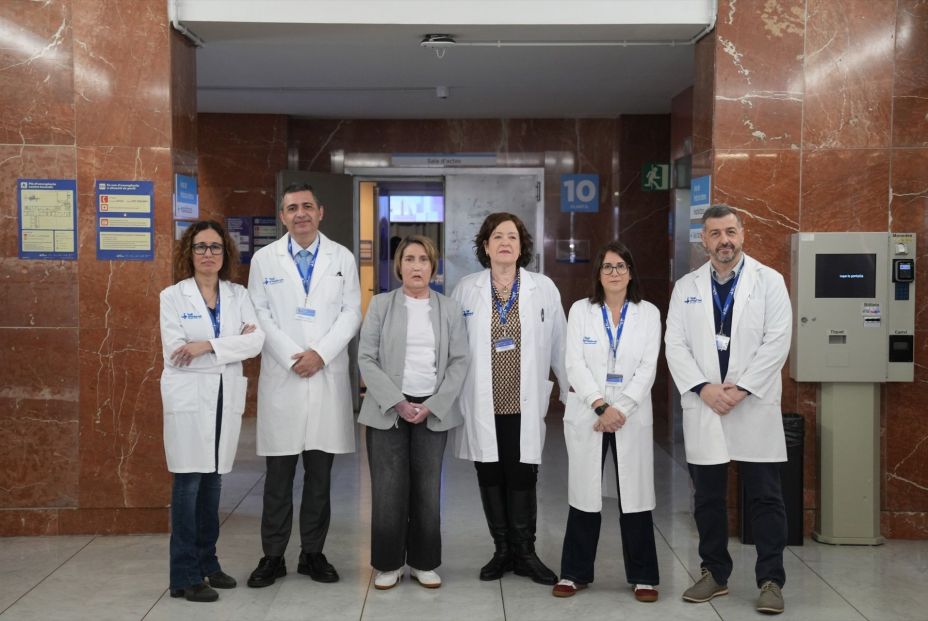
The coordinator of Vall d’Hebron Donation and Transplant programs, Alberto Sandiumenge, has specified that it is a “very difficult and very complex” procedure and that, in this case, the participation of more than 100 people and many months of meetings.
3D planning
The head of the Plastic Surgery and Burns Service, Joan-Pere Barret, explained that this is the first face transplant with 3D planning with cutting guides from the recipient and the donor simultaneously, which has been possible thanks to the fact that the latter was going to receive euthanasia, which made it possible to plan the transplant in advance and in detail and create the three-dimensional models.
It was also the first face transplant in the world with continuous neurophysiological control with the Clinical Neurophysiology Service; the first with intraoperative perfusion control with NIR fluorescence (Near-Infrared) with the SPY-PHI systemand the first face in the world with postoperative control of regional somatic oximetry with infrared.
The recipient
Carme was on vacation in the Canary Islands in July 2024 when the insect bite caused him a infectionafter which he developed sepsis that made him have to “fight for his life” for two months and which, in turn, ended in necrosis in various tissues of the bodyamong which the face, mouth, tongue and various facial muscles.
In December 2024, the patient went to the Vall d’Hebron Hospital, where Barret presented her with several options, among which was face transplantwhich Carme opted for, and the procedures began to be able to carry out the operation.
The donor
In the course of this process, A hospital patient requested euthanasia due to genetic problems“so as not to let the illness decide for her,” and she wanted to give, among other things, her face, if appropriate.
Barret explained that he and his team met the donor: “You can imagine that there can be no words to express the emotional intensity and magnitude of the moment.. The only thing the patient wanted to know was if she could donate her face. And the response, obviously, was positive.”
The doctor has stressed the generosity and altruism of the patientas well as praising the work of the Transplant coordination team, who carry out a “silent and anonymous” daily task, giving comfort to those who will receive euthanasia and their families and giving life to those who are waiting for transplants.
before and after
Carme explained that, before the transplant, she went through three ICUs; When he came out, the necrosis had “taken a toll on him,” he couldn’t eat, he didn’t breathe well and he couldn’t live a normal life, not even go out for coffee.
Four and a half months after the transplant, and having spent a month between the ICU and the Burn Unit Floor, Carme now has sensitivity throughout the transplanted area and explains that he notices everything, and that You can now eat and drink: “It’s perfect.”
The recipient, who now periodically rehabilitation exerciseshas expressed his gratitude to the donor – whom, in compliance with the law, he did not meet – and especially to the Vall d’Hebron team and Barret: “The doctor is my guardian angel.”
The procedure
The procedure, which It is only done in about 20 centers worldwiderequires the participation of professionals from Plastic Surgery and Reconstructive Microsurgery, Transplantation, Immunology, Laboratories, Psychiatry and Clinical Psychology, Rehabilitation, Intensive Care Unit and Pathological Anatomy, among others.
Donor and recipient must share sex and blood type and present similar anthropomorphic measurements of the headand the transplant is performed only after an assessment of the recipient that includes an interview with a reference person “of their utmost confidence.”
In this case, before the intervention, CT scans were performed on the donor and the recipient, something that was possible since it was someone who was going to receive euthanasia and who already knew that he was going to donate; From there, they were made digital three-dimensional models and one silicone mask to apply to the facial area of the donor, reconstructing the operated area.
The operationthat can last between 15 and 24 hoursincludes transplants of skin, adipose tissue, peripheral nerves, facial muscles and facial bones, among others, and includes emotional and psychological support in the post-transplant period.
[ad_2]
Source link