[ad_1]
In Spain it is estimated that around 1.1 million people suffer from glaucomaespecially the most common type, open-angle glaucoma. This group of eye diseases causes progressive and irreversible damage to the optic nerve and is currently one of the main causes of blindness in the world, according to the World Health Organization (WHO). However, approximately 40% of those affected – about 400,000 people – do not know that they suffer from it, since in the early stages the disease progresses without symptoms and the diagnosis comes when the loss of vision is already considerable.
On the occasion of the World Glaucoma Week (March 9 to 15), whose central day is March 12, World Glaucoma Day, the Glaucoma Association for Affected People and Families (AGAF) wants to focus on the importance of early diagnosis and the impact that this disease can have on the autonomy and quality of life of those who suffer from it.
According to data collected by AGAF, around 379,000 people diagnosed with glaucoma in Spain have some degree of disabilitywhich represents approximately 58% of patients. Furthermore, more than half of them – 55.6% – have a degree of disability greater than 65%, one of the highest levels within the disability recognition system.
“Glaucoma is known as the ‘silent thief of vision’ because it progresses without symptoms in its early stages. Many people discover that they suffer from it when they have already lost part of the visual field and that damage is irreversible,” he explains. Joaquín Carratalá, president of AGAF.
Glaucoma causes a progressive loss of peripheral visual field which results in the well-known tunnel or “shotgun barrel” vision, making everyday activities such as driving, reading or moving safely difficult.
Although there is no cure, current treatments—based mainly on eye drops, laser procedures or surgical interventions—make it possible to stop its progression in many cases if it is detected in time and adequate adherence to treatment is maintained. Therefore, it is essential to have periodic ophthalmological check-ups, especially after the age of 45, the age at which the risk of developing this disease increases.
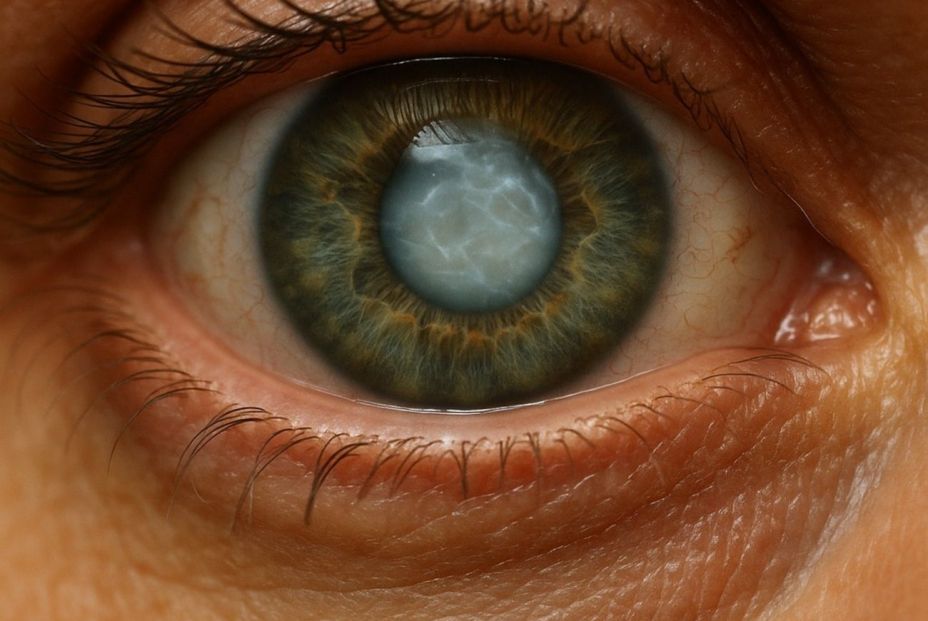
Glaucoma = Neurodegenerative Disease
The association also reiterates its request that glaucoma be recognized as a neurodegenerative disease, since the damage it causes directly affects the nerve cells of the retina and the optic nerve.
This recognition would allow us to promote new lines of research focused on the regeneration of the neuronal cells of the eye, which could open the door in the future to treatments capable of recovering part of the lost vision.
Visibility of glaucoma and patients
AGAF also highlights the importance of giving greater visibility to glaucoma and the people who live with this disease, since many patients face the diagnosis in isolation or are unaware that there are associations that can guide and accompany them from the early stages.
“Many people with glaucoma only seek support when the vision loss is already significant, but having information and support from the diagnosis can make a big difference,” concludes Carratalá.
[ad_2]
Source link