[ad_1]
Not remembering dreams could be related to the first brain changes associated with Alzheimer’s disease. This is indicated by an international study recently published in Alzheimer’s & Dementia: Diagnosis, Assessment & Disease Monitoringin which the Reina Sofía Foundation and CIEN (Research Center for Neurological Diseases), with data and analysis of the Vallecas Projectone of the main European cohorts for the study of cognitive aging.
The research, carried out on 1,049 cognitively healthy older peopleshows that Those who do not remember their dreams more frequently present biomarkers associated with Alzheimer’ssuch as high blood levels of tau protein and the presence of the APOE ε4 gene, the main genetic risk factor in the development of the pathology.
Association independent of memory and with long-term impact
One of the most relevant aspects of the study is that this relationship is maintained regardless of performance in memory testswhich reinforces its possible value as early signal.
In addition, the results show that people who did not remember their dreams at the beginning of the study presented a more rapid cognitive decline and a greater probability of developing dementia during follow-up, up to ten years.

The role of the Vallecas Project and the clinical implications
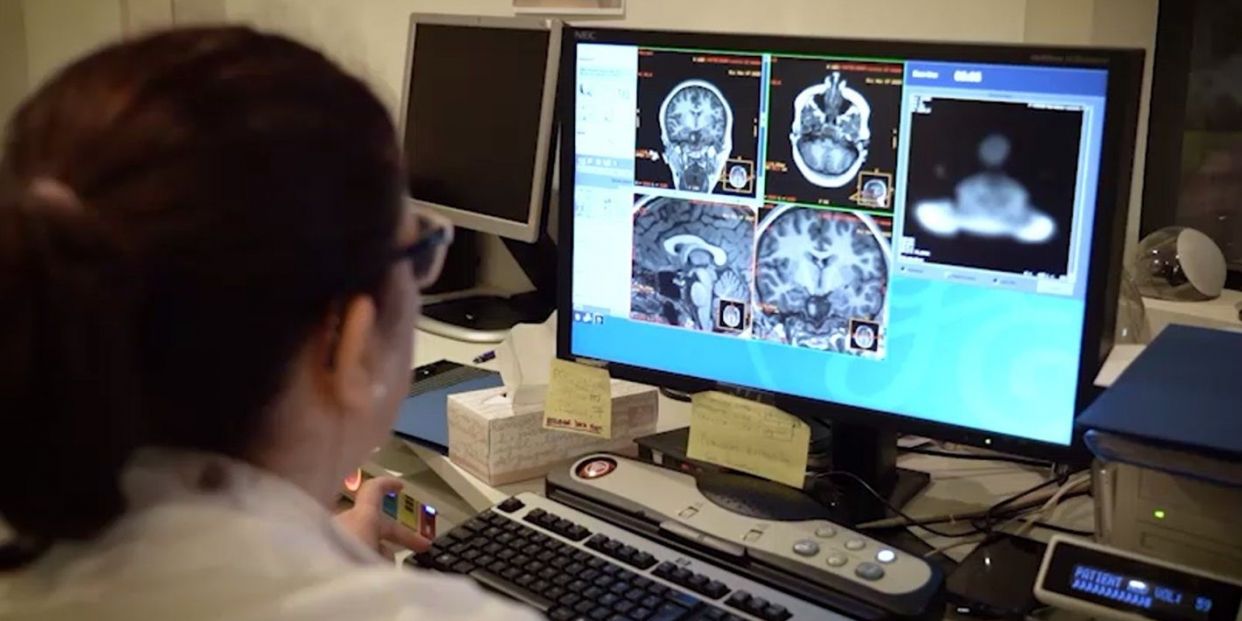
The work is based on data from the Vallecas Project, promoted by CIEN with funding from the Reina Sofía Foundation, which for more than a decade has monitored a cohort of older people without cognitive impairment (cognitive tests, blood tests and MRIs) with the aim of identifying early signs of the disease.
The researchers point out that this relationship could be explained by alterations in the so-called default neural networka brain system involved in the generation of dream content and that is affected in the initial phases of Alzheimer’s. In this way, the difficulty in remembering dreams would not be explained by memory problems, but by the affectation of their content, which would be an even more precocious phenomenon.
“This study suggests that something as everyday as remembering dreams It may be related to very early brain processes associated with Alzheimer’s. It is not a diagnostic criterion, but it is a relevant clue to advance in early detection, which is one of the key areas of work today,” says Pascual Sánchez-Juan, scientific director of CIEN and senior author of the study.
About CIEN (Research Center for Neurological Diseases)
CIEN is the Research Center for Neurodegenerative Diseases dependent on the Ministry of Science, Innovation and Universities through the Carlos III Health Institute. From its headquarters at the Reina Sofía Foundation Alzheimer Center, CIEN supports, promotes and coordinates research on neurodegenerative diseases.
[ad_2]
Source link