[ad_1]
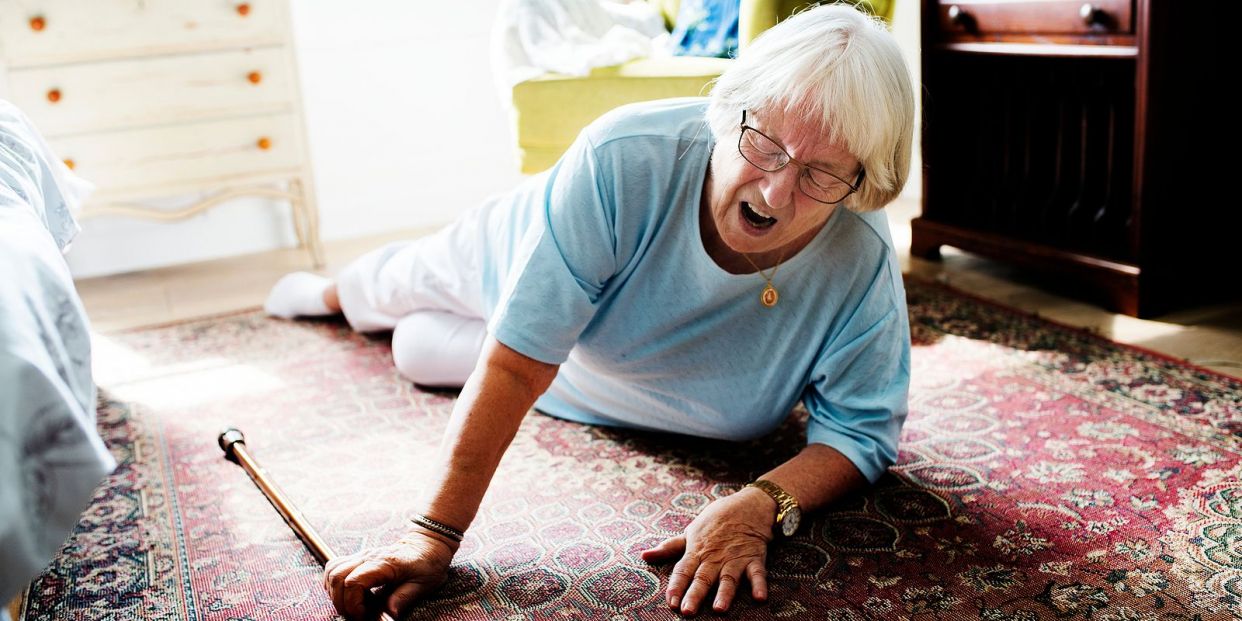
The loss of muscle strength It is one of the great challenges in old age. On many occasions it progresses silently, without obvious falls or sudden disabilities, but through small changes in the daily routine that, if not recognized in time, can compromise the autonomy of older people. This is what specialists warn Sanitas Mayoreswho insist on the importance of identifying the first signs in order to act as soon as possible.
“When we talk about muscle fragility we are not just referring to not being able to lift a weight. There are more subtle signs, such as difficulty opening a jar, get up from a chair without supports or climb a flight of stairs. These daily gestures are a very valuable thermometer of the state of the muscles,” Miriam Piquerasmedical director of Sanitas Mayores.
Spotting these early signs can make the difference between maintaining a independent living or entering a cycle of inactivity and functional loss. Not only physical health is at stake: muscle weakness also has an impact on emotional well-being, as it generates insecurity and fear of moving, factors that in turn increase the risk of social isolation.
Warning signs
Specialists recommend paying attention to several physical and functional changes that often go unnoticed:
- Difficulty in common tasks: take longer to dress, cook or wash.
- Changes in gait or posture: shorter steps, shuffling or walking with less balance.
- excessive fatigue: needing to rest after daily activities such as a short walk.
- Visible loss of muscle mass: thinner arms or legs, with less tone and firmness.
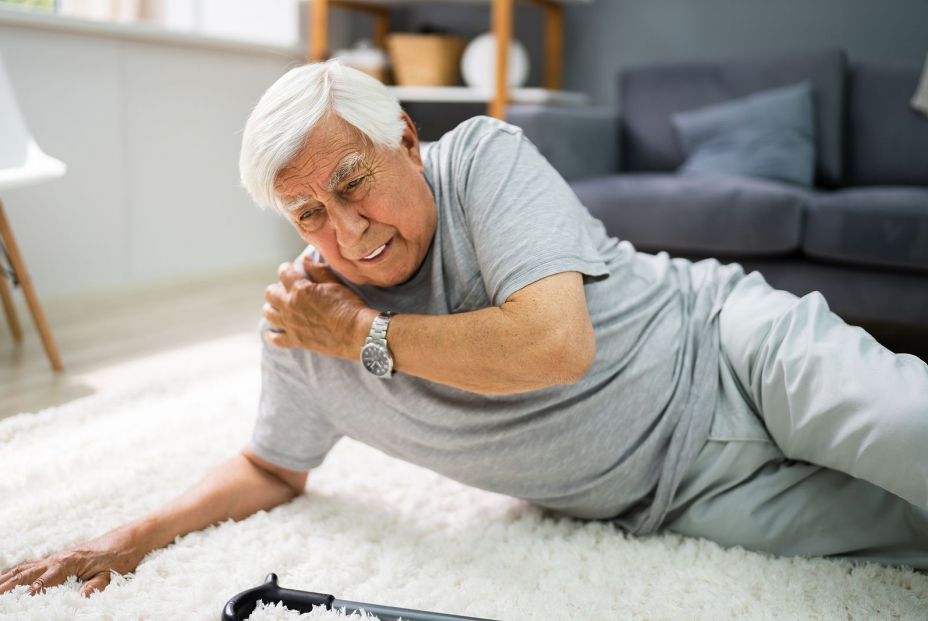
The geriatrician Gabriela G. Carías Granadosfrom the Sanitas La Moraleja University Hospital, points out that many patients come for consultation due to falls or pain, and upon examination it is discovered that the real cause is a progressive loss of strength. “Detecting it early allows us to recommend exercise programs, physical therapy or dietary changes that can greatly reverse this situation,” he explains.
Keys to maintaining muscle strength
Maintaining autonomy in adulthood requires healthy lifestyle habits and perseverance. Experts recommend:
- Regular physical activity: Walking, swimming or doing resistance exercises constantly.
- Adapted training: routines designed for each person, with supervised progressive strength exercises, using elastic bands, light weights or your own body weight.
- Take care of your diet: ensure adequate consumption of quality proteins and nutrients such as vitamin D, essential for muscles and bones.
- Periodic medical check-ups: do not wait until you have pain or falls. See a specialist if you notice any signs of unusual fatigue or difficulty moving.
[ad_2]
Source link