[ad_1]
Develop a multi-skilled exercise program aimed at older people with low functional capacity improves their health, quality of life and autonomy, helping reduce the need for health carewhich can lead to a average savings of more than 1,000 euros per participantaccording to a study led by Spanish research centers.
For work, published in ‘Experimental Gerontology’the GENUD group of the University of Zaragoza, belonging to the CIBER area of Physiopathology of Obesity and Nutrition (CIBEROBN), and the Aragón Health Research Institute (IIS Aragón), along with other centers, followed the progress of 123 older people grouped in a training program and a control group.
Physical exercise, quality of life and less fragility
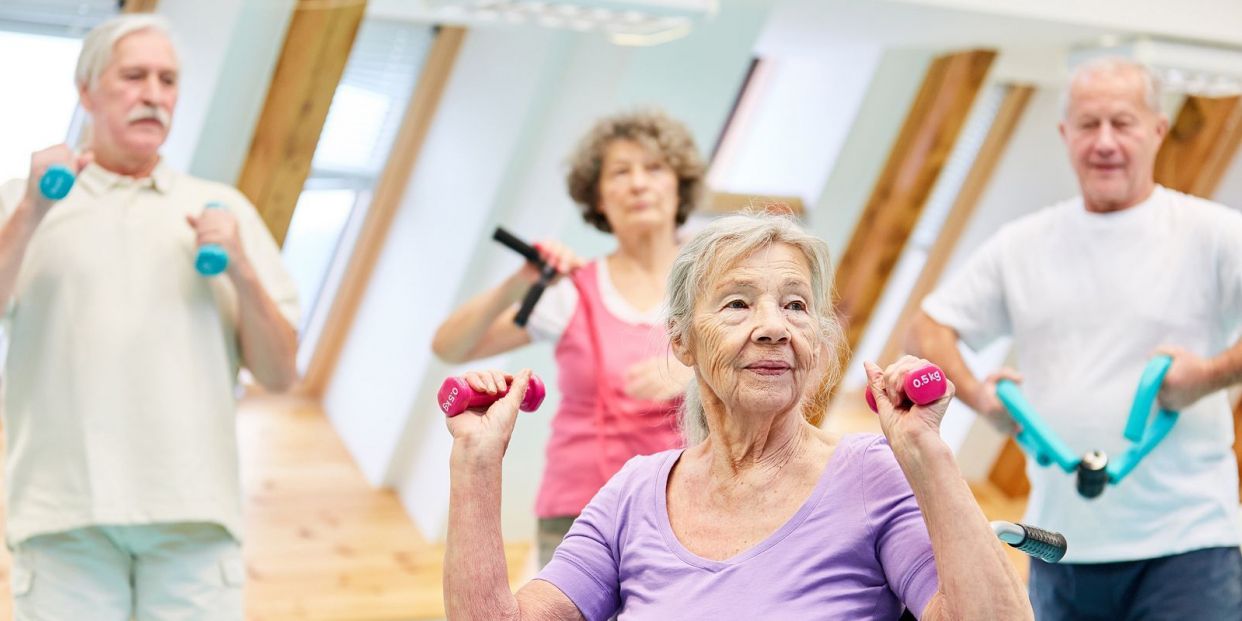
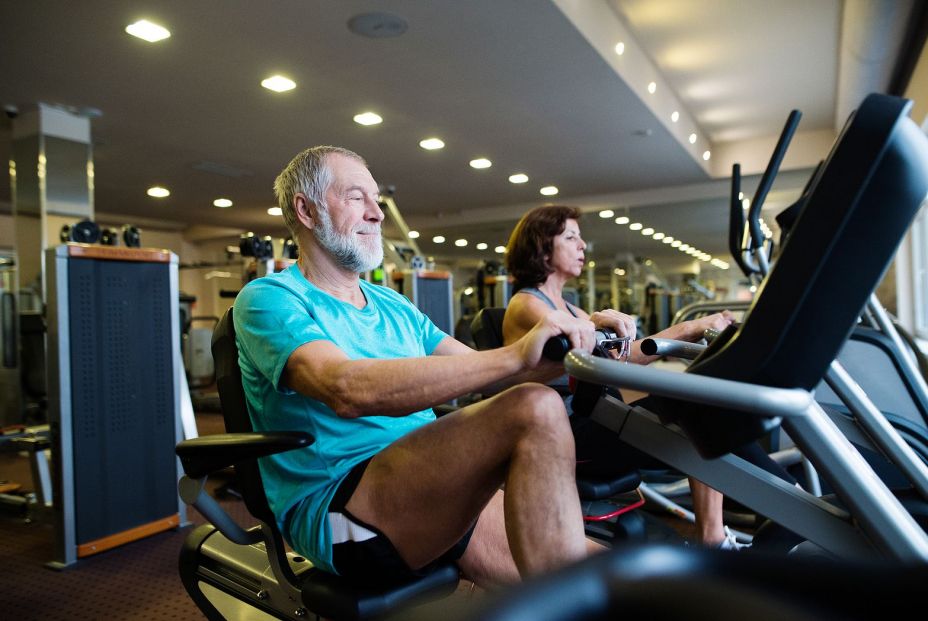
The participants, recruited in health centers and residences in Zaragoza, were analyzed for six monthsin which the training group underwent three weekly 60-minute exercise sessionssupervised by specialized instructors. The training combined aerobic exercises, strength, balance, flexibility and functional trainingadapted to the group’s capabilities.
The researchers measured the effects of these activities at three different timesevaluating functional capacity, degree of fragility and health-related quality of life and, from this, they observed improvements in functional capacity, quality of life and frailty of those who participated in the training, compared to the control group.
Savings effect on the economy: fewer tests and income
Furthermore, from an economic perspective, the study reveals that Investment in this type of programs is very profitable and represents savings for the National Health System (SNS) as a consequence of the reduced need for hospitalizations, diagnostic tests and medication. In figures, the average cost of health services during the investigation was 3,091 euros in the trained group compared to 4,135 euros in the control group.
The increase of cost per quality-adjusted life year gained was from 6,274 euroswell below the thresholds used by the SNS to consider a cost-effective interventionlocated between 27,000 and 34,000 euros per quality-adjusted life year gained.
“These types of programs, in addition to being very affordablesince its cost was only 164 euros per personhave a great impact on the autonomy and well-being of older peopleand help curb health spending derived from hospitalizations, diagnostic tests and medication. The prescription of physical exercise should be integrated into the care of the elderly,” said CIBEROBN researcher at the University of Zaragoza and co-author of the study, José Antonio Casajús.
Research personnel from the CIBER area of Frailty and Healthy Aging (CIBERFES), the University of Castilla-La Mancha and the Polytechnic University of Madrid, as well as the University of Extremadura, the University of California San Diego (United States) and other collaborating entities have also participated in the work.
[ad_2]
Source link