[ad_1]
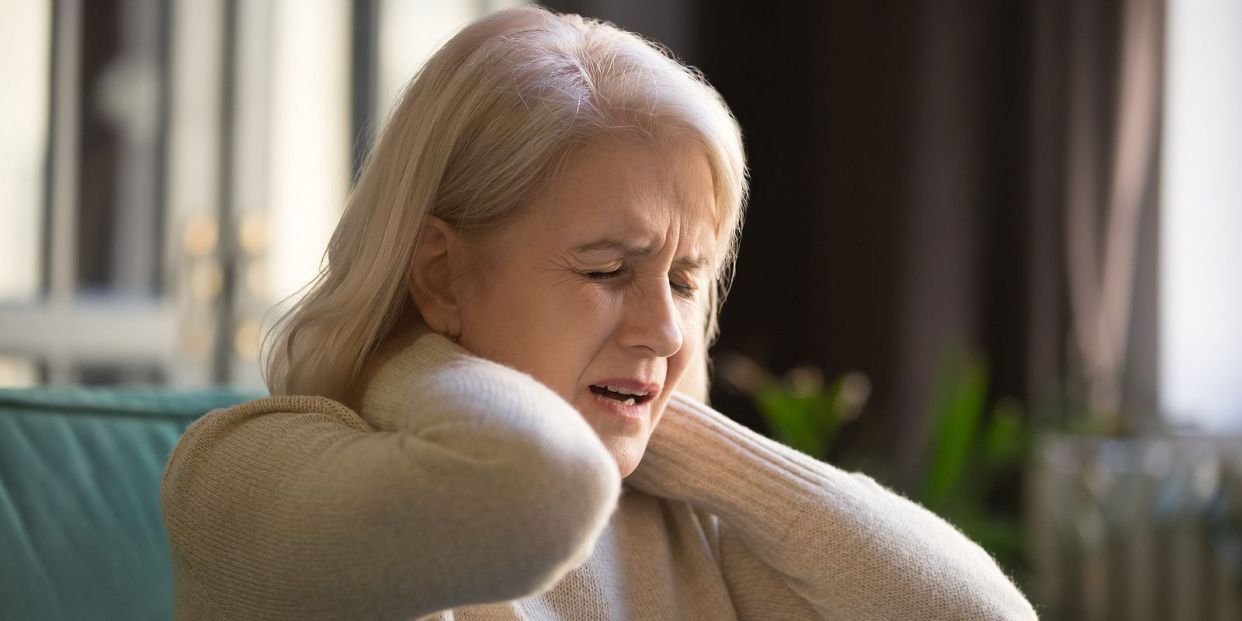
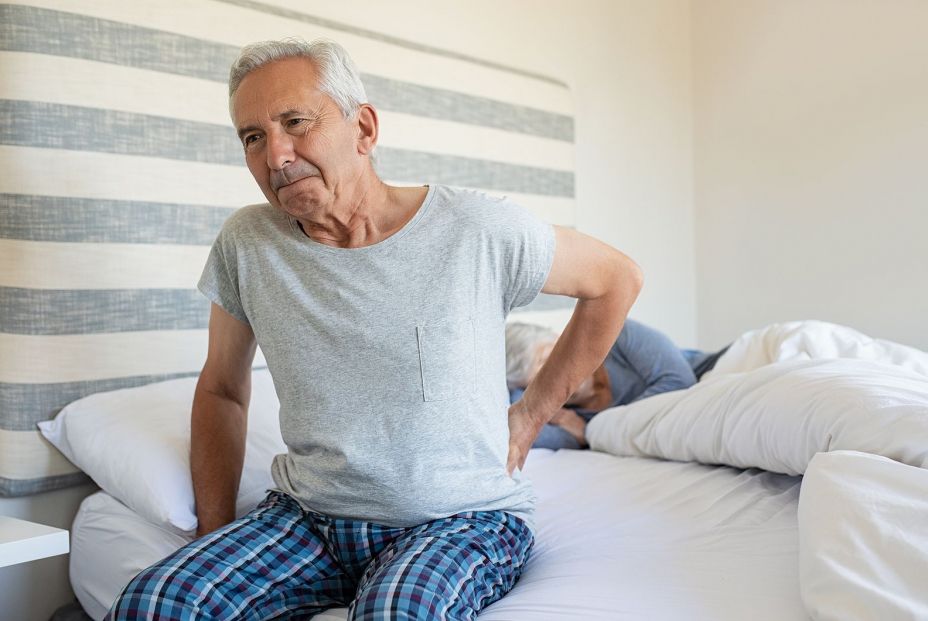
The Spanish Society of Rehabilitation and Physical Medicine (SERMEF) recalled that up to 30% of older people in Spain suffer from chronic pain and wants to focus on the urgent need to implement effective and sustainable strategies to address it.
Healthy aging, defined by the WHO as the process of maintaining functional capacity that allows well-being in old age, cannot be achieved without adequate pain control. “Persistent pain in older people not only decreases quality of life, but limits their participation in society.”reduces their mobility and increases the need for family or institutional support,” SERMEF emphasizes.
According to Rosa Salvador Quilisrehabilitation doctor at the Doctor Peset University Hospital, “we are in the decade of healthy aging, and multiple initiatives are being developed worldwide with the aim of improving the lives of older people and their environment, and one of the main challenges today is to develop strategies focused on a more active and informed participation of the population in the care of their own health.”he highlights.
Therapeutic exercise and education: an effective and safe route
Within these strategies, SERMEF highlights the study carried out at the Doctor Peset University Hospital in Valencia, where a community intervention with 348 people older than 75 years with chronic back, knee or shoulder pain.
The program, structured around the Healthy Aging Schoolcombined an initial training session, group physical exercise sessions for one month guided by physiotherapists, under a multimodal exercise protocol designed by doctors specializing in Physical Medicine and Rehabilitation, and subsequent home monitoring. The results of the study, presented at the 63rd SERMEF National Congress, showed significant improvements in mobility, reduction in pain and increase in quality of life of the participants.
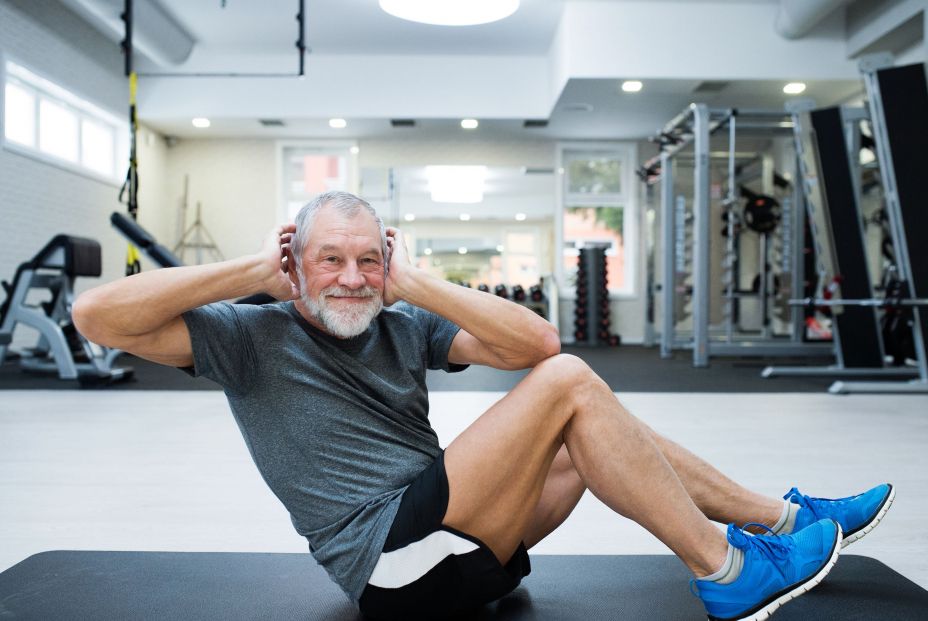
Furthermore, the 96% of people who completed the program stated that they were satisfied with the intervention, the 78.5% confirmed that the program helped them reduce their joint pain and more than 86% reported feeling able to carry out daily activities that were previously difficult for them.
“This study has not only served to contribute to increasing scientific evidence, but has also allowed us to understand and improve the health of our patients through an intervention.” and establishes a basis on which to develop socio-sanitary intervention protocols, highlighting the need for help from the community to continue them,” highlights Dr. Salvador, one of the specialists in charge of the study.
Community rehabilitation for an aging society
SERMEF insists that these programs not only improve clinical indicators, but also empower older peoplepromote their autonomy and contribute to more active and participatory aging.
“The role of the rehabilitation doctor is key to guiding older people in the most appropriate exercise for their functional situation, avoiding risks and maximizing benefits”they stand out. “The exercise prescription cannot be limited to a generic recommendation: it must be adapted, explained and accompanied.”
The aging of the population is a reality, which is why SERMEF claims the strategic role of medical rehabilitation in addressing chronic pain and calls for greater institutional support for preventive and therapeutic programs accessible to the elderly population throughout the territory.
[ad_2]
Source link