[ad_1]
A consortium of Spanish hospitals has shown that the salivary microbiome can reflect with remarkable precision the biological environment of head and neck cancer and, even more promising, provide information on clinical evolution and response to treatment.
The first results of this work have been presented in the 76th National Congress of the Spanish Society of Otorhinolaryngology and Head and Neck Surgery (SEORL-CCC), which is being held these days in Madrid, and represents a step forward towards the identification of non-invasive biomarkers in cancer.
To analyze the tumor, specialists have tended to perform tissue biopsies, an essential procedure, but one that is invasive, painful and not always repeatable. Faced with this, the Spanish research group proposes using a salivary fluid biopsywhich is, in contrast, non-invasive, painless and easily repeatable.
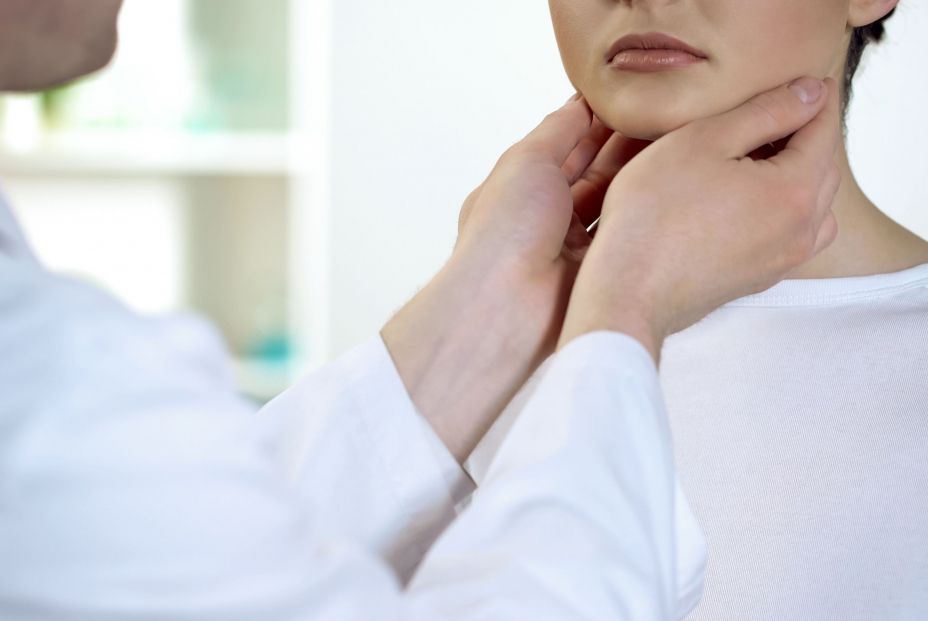
“These first results confirm that saliva is not just a passive reflection of the oral cavity: it contains functional information that, properly interpreted, can tell us how the tumor evolves and how it responds to treatment,” explained the specialist in Otorhinolaryngology and head of the Head and Neck Tumors Unit at the Hospital Clínic of Barcelona. Francesc Xavier Avilesprincipal investigator of the study.
Microbial diversity
Using massive DNA sequencing techniques, the authors of the work have found that, in patients with head and neck cancer, the microbial diversity of saliva decreases and the presence of bacteria with pro-inflammatory potential increases. Besides, Altered metabolic pathways have been identified that could have clinical relevancesuch as succinate metabolism, ribosomal synthesis and selenoprotein regulation, all processes involved in chronic inflammation, cellular metabolism and tumor progression.
In this analysis of microbial diversity, the following stand out: three bacterial genera with proinflammatory potential, Selenomonas, Actinomyces and Prevotellawhose presence and activity seem to be associated with the evolution of the tumor.
Thanks to functional analysis, researchers have detected the expression of specific molecular markerssuch as K01823 (Methylmalonyl-CoA mutase) and K07015 (ribosomal protein S19), related to protein synthesis and succinati metabolism. These processes could link the activity of bacteria with changes in tumor biology, in particular with ribosomal biogenesis and inflammation of the tumor microenvironment.
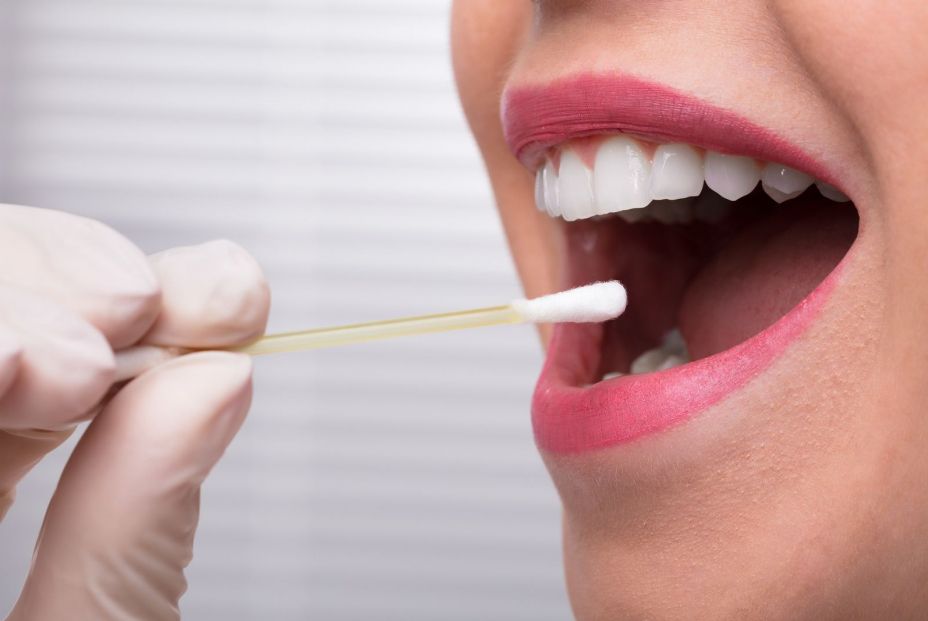
This means that certain bacteria present in saliva and certain metabolic pathways could influence tumor behaviormodulating their aggressiveness and their ability to resist treatments. If this relationship is confirmed, saliva could become a molecular mirror of the tumor, providing key information about its evolution without the need to resort to invasive procedures.
Potential clinical tool
Based on these findings, the researchers have proposed an approach that would consist of analyze saliva periodically to monitor the response to treatment, detect relapses or adjust therapy individually according to the changes observed in the microbiome and its functionality.
In this sense, they have highlighted that it is a easy to apply, economical and comfortable technique for the patient, which could be integrated into normal clinical practice once validated to improve the management of a cancer of which, this year alone, more than 7,000 new cases are expected in Spain.
The team is now looking validate these results in larger cohorts of patients and in different tumor subtypes, as well as developing predictive models based on artificial intelligence (AI) that integrate clinical, molecular and microbial data.
Units specialized in head and neck tumors from the Hospital Clínic of Barcelona, the Hospital de Sant Pau, the Hospital Central de Asturias, the Hospital Joan XXIII in Tarragona, the Valencian Institute of Oncology, the Hospital Universitario La Paz, the Hospital Donostia, the Hospital San Pedro de Logroño, the Hospital de Bellvitge, the Hospital del Mar and the Hospital Vall d’Hebron, among other centers that have been joining the network, participate in this study.
[ad_2]
Source link