[ad_1]
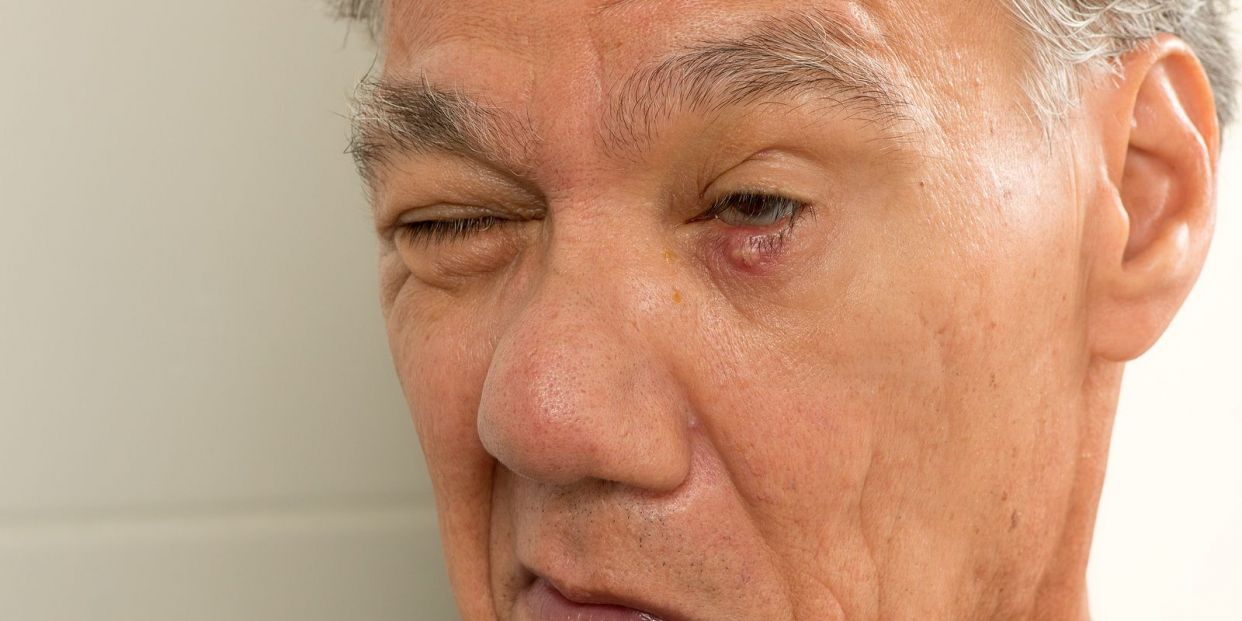
Although many people believe that styes appear due to lack of hygiene, science shows that their origin is in a bacterial infectionusually by staphylococcus, in the glands on the edge of the eyelid. Specialists warn that “popping them” or applying home remedies, such as the classic hot gold ring or an old key, not only does not cure them, but can aggravate the inflammation. Instead, they recommend warm compressesproper facial cleansing and avoiding the use of contaminated makeup.
This is how he explains it, in an interview with Europa Press Salud Infosalus, the ophthalmologist Emanuel Barbera Loustaunaucoordinator of the Quirónsalud A Coruña Ophthalmological Institute, who emphasizes that styes develop due to an infection in the glands of the eyelid edge. “Hygiene is a key factor for prevention”highlights the specialist.
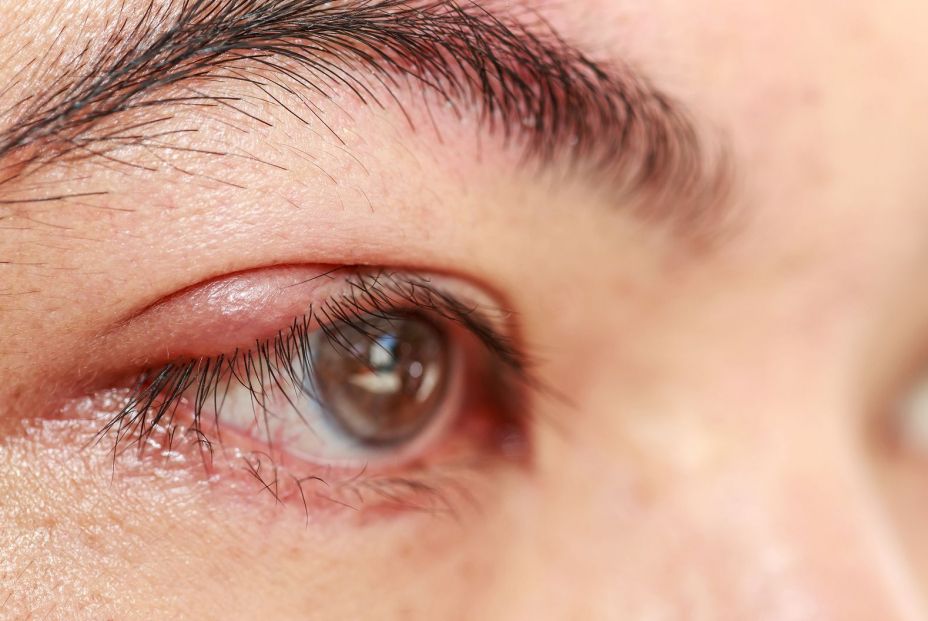
“It is recommended to maintain adequate hygiene of the face and hands with soap and water. Using appropriate makeup products and removing makeup correctly before going to bed is also ideal in these cases,” he advises. Barbera Loustaunau.
Do not handle the stye
The ophthalmologist advises against trying to exploit the stye as if it were a pimple, since in addition to being painful it can worsen the inflammation. “Instead, gentle fingertip massage for 7 to 10 minutes and applying dry heat is recommended. This helps soften secretions and allows the stye to drain naturally,” she explains.
Regarding the use of the hot gold ring, the doctor clarifies that it is a traditional remedy with no scientific basis. “The gold ring itself does not cure the stye, but heating it can act as a heat source that helps dissolve and drain the contents. Nowadays we recommend warm compresses applied as a massagemuch safer and more effective,” he points out.
Initial treatment usually consists of antibiotic ointments with corticosteroids applied locally. If the infection spreads to other glands or tissues of the eyelid, oral antibiotics and anti-inflammatories are added, as required by the specialist.
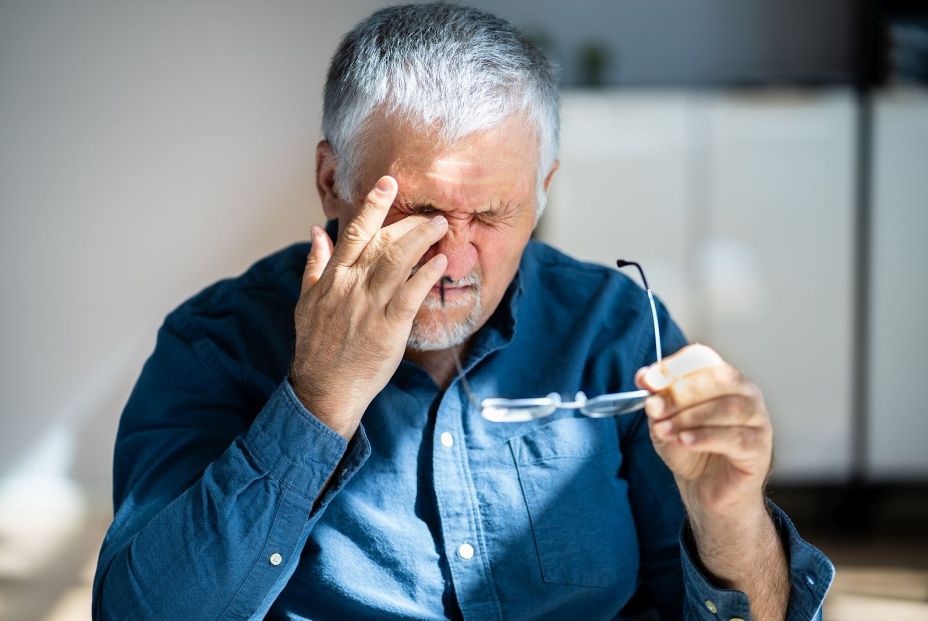
Regarding contagion, the doctor remembers that stye is not contagiousalthough the bacteria responsible can be transmitted. “For a stye to form, in addition to bacteria, other patient conditions must exist. Even stress and hormonal changes can influence its appearance,” explains Barbera Loustaunau.
The expert adds that suffering from recurrent styes can be a sign of other conditions, such as blepharitis, rosacea, acne or seborrheic dermatitis, and even diabetes, so he recommends consulting an ophthalmologist. “In these cases, it is important to carry out daily preventive hygiene of the eyelid margin, with specific products such as wipes, gels or shampoos available in pharmacies,” he points out.
Practical recommendations to prevent them
-
Wash your hands frequently and avoid touching your eyes with dirty hands.
-
Remove makeup completely before sleeping and do not share cosmetic products.
-
Periodically replace makeup productsespecially those with eyes.
-
Maintain a correct contact lens hygiene.
-
Control stresswhich can favor its appearance.
-
Carry out daily eyelid care with massage and gentle drainage of the eyelid glands.
[ad_2]
Source link