[ad_1]
A study led by the Sant Pau Research Institute (IR Sant Pau) of Barcelona demonstrates that the advanced use of magnetic resonance (MR) allows you to identify “with much more precision” patients with progressive supranuclear palsy (PSP) and corticobasal degeneration (CBD), two rare and underdiagnosed atypical parkinsonisms.
The work, published in The Journal of Prevention of Alzheimer’s Diseaseshows that the strategy improves diagnosis in early stages and transforms the design of clinical trials, making them “more precise and viable” in diseases for which there is no modifying treatment, Sant Pau reports in a statement this Monday.
Taupathies
The PSP and CBD are part of a group of neurodegenerative diseases known as tauopathiescharacterized by the abnormal accumulation in the brain of the protein tau, which is essential for the normal functioning of neurons but which, when deposited in a pathological manner, causes progressive damage to different brain regions.
In PSP and CBD, this damage especially affects related areas with the control of movement, balance, posture, speech and some cognitive functions, a fact that explains why its initial symptoms are very similar to those of Parkinson’s disease.
For years, the lack of objective diagnostic tools has been “one of the main obstacles” to developing treatments for these tauopathies, and the selection of patients for clinical trials has been based almost exclusively on clinical criteriaespecially in the initial stages, when the symptoms are still not very specific and overlap between different diseases.
This problem is “especially relevant” in CBD, where a significant proportion of patients actually present Alzheimer’s; Without adequate filtering, the cohorts used become biologically contaminated, limiting their usefulness.
MRI
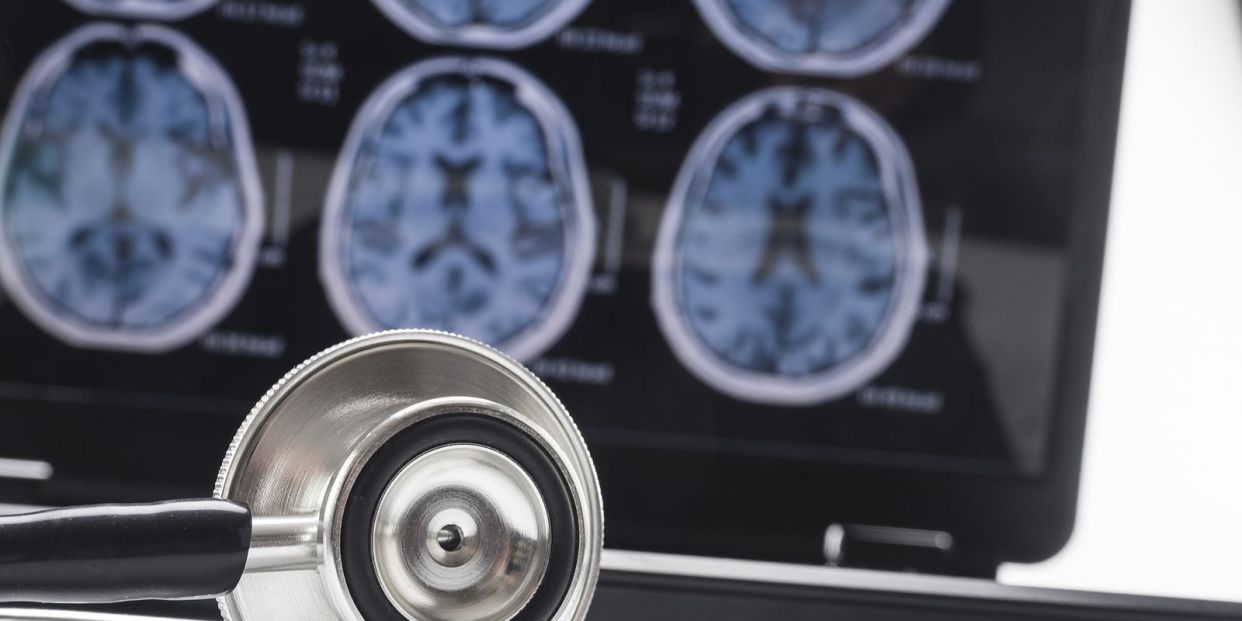
From the detailed analysis of brain atrophyresearchers have developed models to estimate “with very high probability” whether a patient has PSP or CBD, even in the initial stages of the disease.
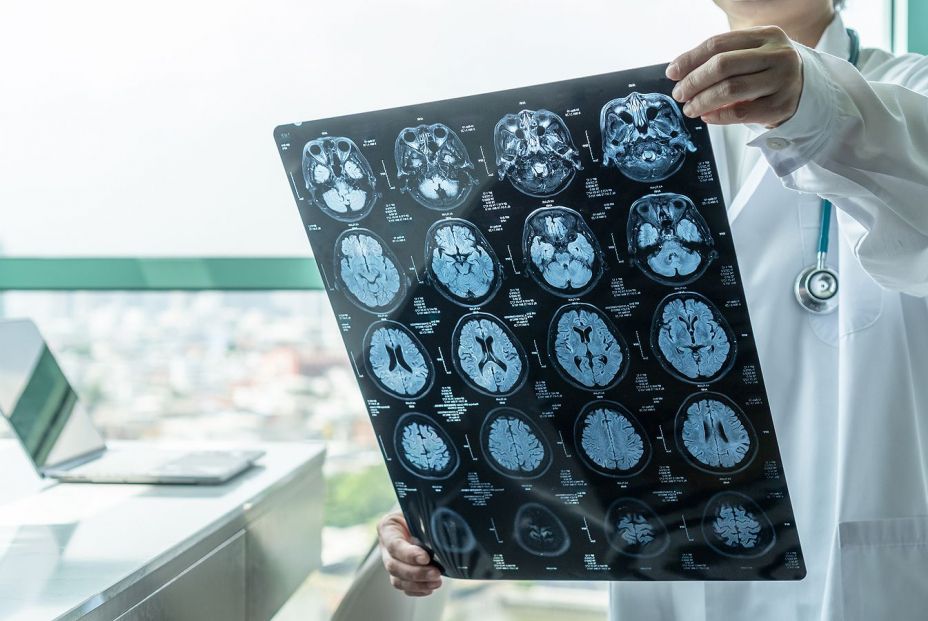
The key to the work is the identification of specific MRI signatures for each disease based on the combination of structural changes in different brain regions.
Additionally, the study shows that MRI can also be used as longitudinal tracking tool in clinical trials targeting these tauopathies: by using signatures as an objective measure of disease progression, it is possible to detect structural changes “with much more sensitivity” than traditional clinical scales.
In the case of PSP, the application of specific resonance signatures would reduce the 50% the number of participants needed in a clinical trial of 12 monthscompared to designs based exclusively on clinical scales.
IN the CBD, the use of such measures could mean a reduction of about 80-85% of the sample size necessary to detect a therapeutic effect with the same statistical power.
[ad_2]
Source link