[ad_1]
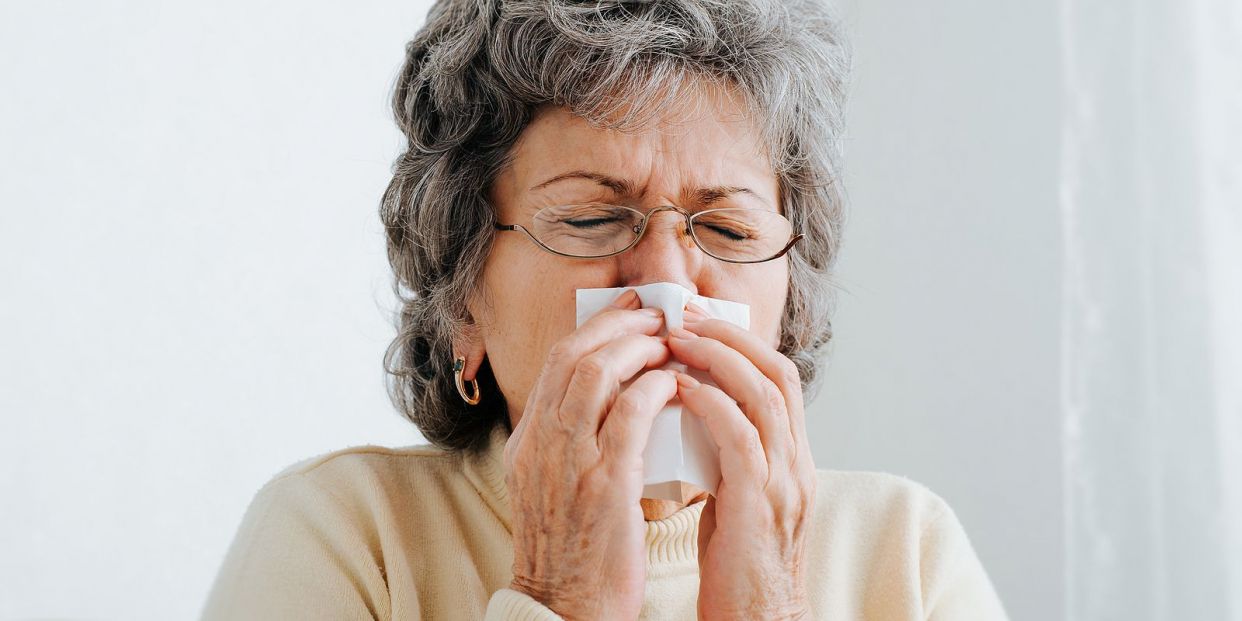
The Spanish Society of Rehabilitation and Physical Medicine (SERMEF) has recalled that respiratory rehabilitation It helps prevent colds from lasting in adults and children, which has confirmed that having runny nose all winter can be avoided.
As pointed out by this scientific societythe cold and the increase in respiratory viruses during the cold months, nasal congestion and the accumulation of mucus become a common problem in both adults and children. Additionally, when mucus builds up and is not expelled properly, it can prolong congestion and respiratory discomfort.
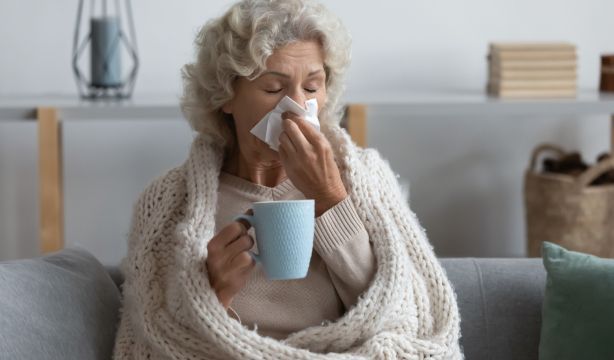
Given this, SERMEF has insisted that respiratory rehabilitation allows act directly on mucus through specific exercises whose objective is to loosen secretions, mobilize them and facilitate their expulsion, preventing colds from lasting over time.
In any case, this entity has clarified that the aforementioned techniques must be supervised by a team specialized in Respiratory Rehabilitation and adapted to the age of the patient and the location of the secretions in the respiratory tract.
Recommended exercises in the adult population
- Diaphragmatic breathing
“One of the basic exercises is diaphragmatic breathing, which consists of inhaling deeply through the nose, bringing the air towards the abdomen, so that it rises, while the chest remains relatively still. By exhaling slowly through the mouth, deeper ventilation of the lungs is favored, which helps to mobilize secretions from deeper areas to the upper airways,” highlights the Dr. Marco.
- Controlled cough technique
On the other hand, the SERMEF specialist explains that “controlled coughing is another key technique. After a deep inhalation and a brief retention of air, a directed and conscious cough is performed that allows the patient to take off.” mucus without forcing the airways. This type of cough is especially useful for expelling accumulated secretions and avoiding repetitive and ineffective bouts of coughing.”
- Pursed Lip Breathing
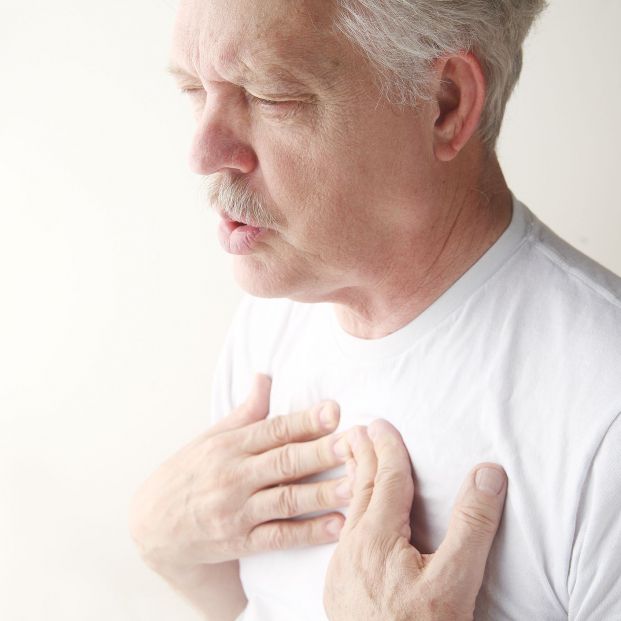
Dr. Marco highlights that “pursed lip breathing is done by exhaling slowly with your lips almost closed, as if you wanted to extinguish a candle without completely succeeding. This exercise helps keep the airways open for longer, improves air exchange and reduces the feeling of tightness in the chest”.
- Postural drainage techniques
“In postural drainage techniques, the patient adopts different positions of the body, such as leaning forward or lying on his side, taking advantage of gravity so that the mucus moves from the deepest areas of the lung to areas where it is easier to expel it through coughing,” the doctor points out. Dr. Marco.
“Finally, inhaling steam, whether during a hot shower or inhaling steam from a bowl of hot water, helps humidify the respiratory tract and to reduce the density of mucus, facilitating its mobilization and elimination,” describes the doctor specializing in Physical Medicine and Rehabilitation.
“These exercises are complemented by correct hydration, nasal washes, maintenance of adequate environmental humidity and the practice of general physical exercise, which stimulates the activity of the respiratory muscles,” he explains.
Advice in the pediatric field
“These exercises are complemented by correct hydration, nasal washes, maintenance of adequate environmental humidity and the practice of general physical exercise,” he maintained, while the doctor Alba Gomezwho also represents SERMEF, highlighted that, “in pediatric respiratory rehabilitation, exercises are always presented as a game to facilitate the child’s participation.”
In this way, Gómez is committed to “teaching how to smell objects such as fruits or flowers, which implies a deep nasal inhalation that helps work breathing and mobilize secretions.” Also, he advocates “performing deep breathing exercises” from “2-3 years”.
The exercise of “play the cat” It is another common technique, indicates this specialist, who has clarified that “it consists of the child standing on all fours, inhaling through the nose, gently arching the lower back and, when expelling the air, rounding the back like a cat.” In addition, he has explained the importance of “games like blowing bubbles with a straw”, since it serves “to loosen secretions and help them rise.”
Finally, Gomez has highlighted that, “in children with neurological diseases, immune disorders, allergies, chronic respiratory diseases or repeated respiratory infections, evaluation in Pediatric Respiratory Rehabilitation Units is indicated.”
[ad_2]
Source link