[ad_1]
A new study has demonstrated the effectiveness of a technique that concentrates all radiotherapy to treat prostate cancer in five sessions, achieving that after two years 96.4 percent of patients have the disease under control and have few late side effects.
The multicenter study carried out in 12 GenesisCare centers in Spain has analyzed 250 patients with localized prostate cancer treated with SBRT either stereotactic body radiotherapy. 28 researchers have participated in its development, with the collaboration of professionals from national and international institutions outside GenesisCare.
The main conclusion of the study published in Clinical and Translational Oncology, and collected by Europa Press, is that, after two years, the 96.4 percent of patients maintained PSA-controlled disease, with low rates of late side effects.
“Achieving 96.4% disease control at two years allows us to sit in front of the patient and talk with total transparency about what we know today, with data that is really hopeful. For a person who has just received a cancer diagnosis, being able to have that conversation changes everything,” explains the radiation oncologist and medical coordinator of GenesisCare Talavera de la Reina (Toledo) and first author of the study, Sigfredo Elías.
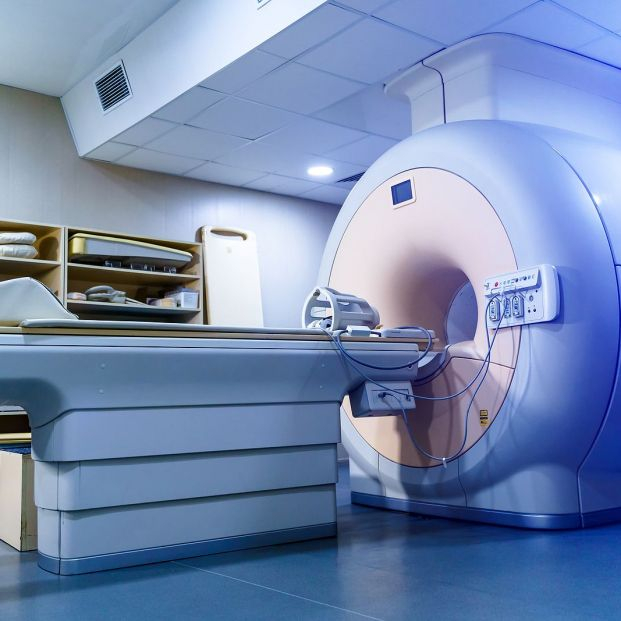
As explained, SBRT (also called SABR) is a type of radiotherapy that uses cutting-edge technology to direct radiation with millimeter precision to the tumorprotecting the surrounding tissues as much as possible. This precision is what allows the entire treatment to be concentrated on only five sessionscompared to the 20 or 39 that conventional radiotherapy requires. In practice, the patient completes his treatment in about ten days instead of in two months. “It is not only about treating with radiotherapy in less time, but also with great precision and efficiency“, adds Elías.
In this study, furthermore, 99 percent of the patients received a spacer gel between the prostate and the rectum -an outpatient procedure that moves the rectum away from the radiation zone-. This detail, combined with imaging systems that verify the patient’s position in each session, is one of the keys to good results.
“It’s not doing less, it’s doing better. The technological precision we have today allows us to provide in five days what previously took weeks, and this study shows that the results are excellent. But what really matters is what that means for the patient in front of you: fewer days of treatment, less disruption to their routine, less emotional burden“said the radiation oncologist and medical director of GenesisCare Spain – Radiation Oncology and Research, coordinator of the study, Felipe Couñago.
Contained Side Effects
Regarding the side effects that may appear after six months, only 7.6% had urinary problems that required attention, 1.2% had intestinal problems and 14.3% had some alteration in sexual function. Furthermore, almost the 90% of urinary symptoms were resolved during follow-up and more than three out of four patients maintained or recovered their sexual function.
“After years of treating and following our patients, what I value most about this study is that the figures confirm what we see every day in consultation. Many patients finish the five sessions and ask us: that’s it?. They find it hard to believe. And when, months later, they see that the PSA is controlled, the relief is enormous“Romero highlighted.
Finally, the authors recognize that two years of follow-up is a solid starting pointbut that in prostate cancer the results are evaluated at long term. The follow-up of the 250 patients continues and analyzes with a longer observation period are already being prepared.
Even so, they assure that the message is hopefulsince today there is a treatment capable of controlling the disease with an effectiveness comparable to traditional options, but in only five dayswith contained side effects and supported by data from 12 Spanish centers.
[ad_2]
Source link