[ad_1]
Overactive bladder (VH) is a syndrome whose prevalence increases with age and affects approximately 30% of the population between 50 and 60 years old. On the occasion of World Urinary Incontinence Daywhich is celebrated on March 14, Pierre Fabre laboratories highlight the importance of the patient having adequate information, with the support of specialized professionals throughout the care process, as key elements to improve their quality of life. In this context, the company has collaborated in the awareness campaign promoted by the Incontinence Association (ASIA).
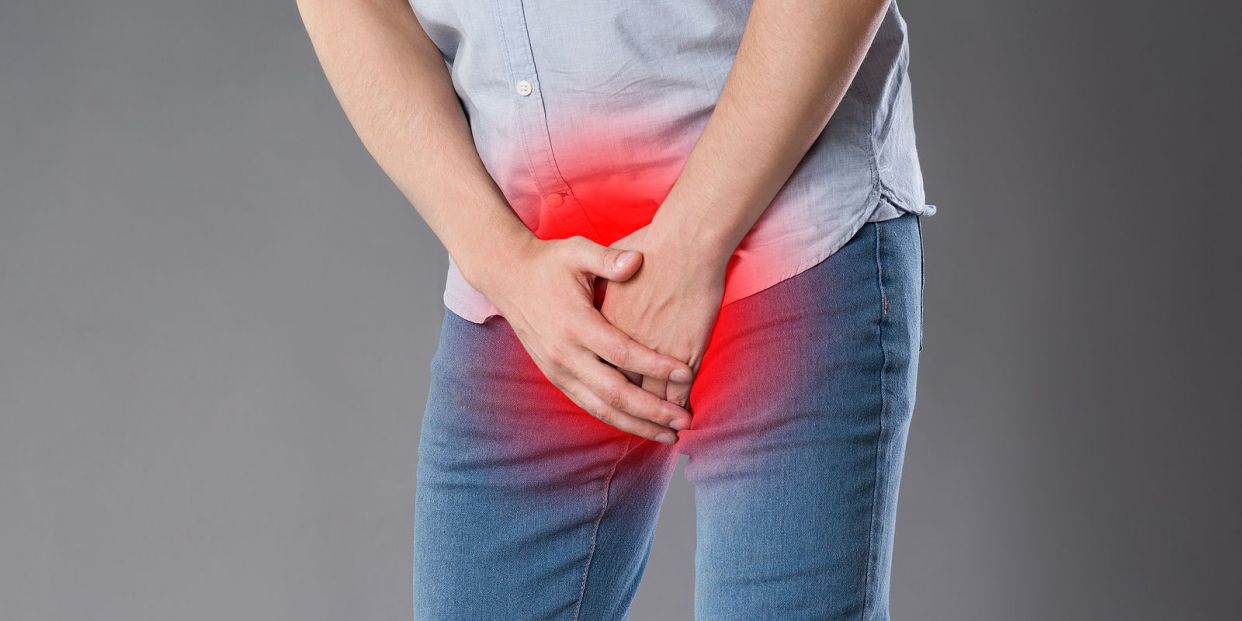
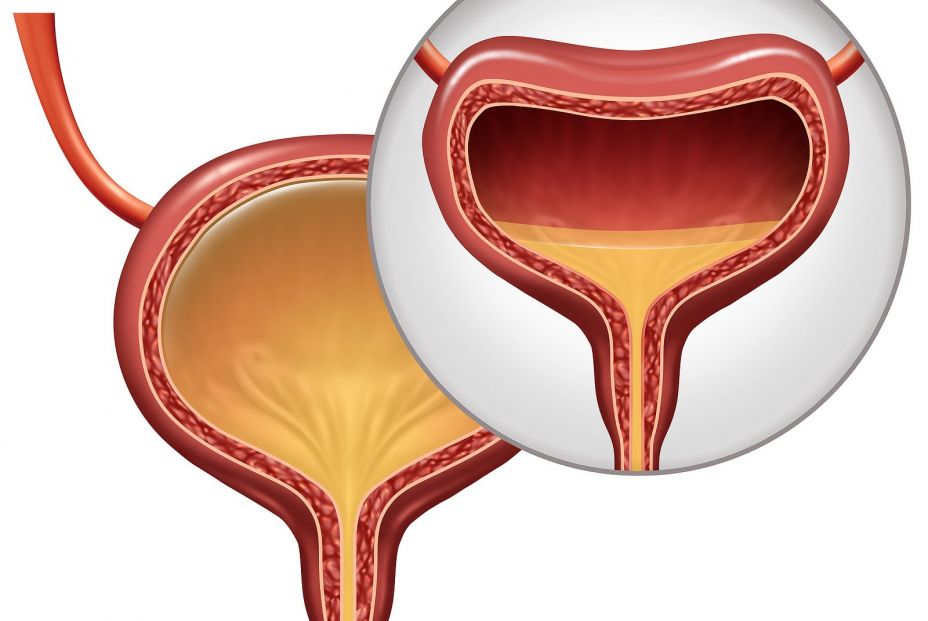
Overactive bladder occurs when the muscles in the bladder contract unexpectedly, even when it is not full. According to the Dr. Oriol Porta, director of the Department of Obstetrics and Gynecology at the Hospital Universitari Mútua de Terrassathis causes symptoms such as urinary urgency, increased urinary frequency and, in some cases, episodes of incontinence.
The causes are diverse. Although it is frequently associated with the aging process itself – which favors early contraction of the bladder muscle and a lower filling capacity – it can also be related to pelvic organ prolapse, urinary tract infections or neurological diseases such as Parkinson’s, multiple sclerosis or spinal cord injuries, explains the Dr. David Carracedo, associate head of Urology at the Rey Juan Carlos University Hospital in Madrid.
Impact on quality of life
As stated Àngels Roca, patient with double urinary incontinence and president of the Incontinence Association (ASIA), “Overactive bladder is very common, but many people take a while to realize they have it.” During that time, the symptoms can progressively affect your personal, work and social life. Shame or ignorance means that many patients do not consult, despite the significant impact that the pathology has on their daily lives. “It is important to know that there are alternatives, and that the sooner it is detected, the easier it is to improve,” he emphasizes.
In the same line, Maite Carreras, patient diagnosed with overactive bladder and treasurer of ASIAremember that it is common to think that there is no solution: “But with adequate information, specialized professionals and support, quality of life can be recovered.” Carreras insists that suffering should not be normalized or resigned.
Behavioral Treatment and Shared Decision Making
Esther Nieto, Family and Community nurse of the Madrid Health Service (Sermas) and president of the Federation of Family and Community Nursing Associations (FAECAP), highlights the role of the nurse in the biopsychosocial assessment of the patient. Through an initial evaluation, symptoms that are often untold and yet significantly affect daily life are identified. Furthermore, he points out that the nurse’s consultation allows for continuous monitoring, adapting the guidelines to the patient’s evolution, and emphasizes that many people improve significantly only with education and training.
The first line of treatment is behavioral. “We invite the patient to get to know himself through a voiding diary, which is essential for both diagnosis and follow-up,” he comments. From there, bladder training is promoted, establishing schedules and urgency control techniques adapted to the routine and needs of each person.
Recommendations are also offered regarding fluid intake and foods that can irritate the bladder. According to Carlos Lorenzo, nurse and president of the Spanish Association of Nursing in Urology (AEEU)It is advisable to avoid irritating products such as alcoholic beverages, tea, chocolate, citrus fruits or spicy foods. Likewise, it recommends distributing fluid intake throughout the day, avoiding excessively liquid dinners. The approximate amount is between 1.5 and 2 liters per day.equivalent to about 6-8 glasses of water.
Urination reeducation and training of the pelvic floor muscles are another fundamental pillar. The Dr. Soraya Hijazi, specialist in Physical Medicine and Rehabilitation at the University Hospital Complex of Albacetehighlights that these strategies help the bladder learn to control urgency signals.
If your symptoms are related to a prolapse or urinary tract infection, the first step is to treat the underlying cause, explains Dr. Carracedo.
Shared decision making is key to adapting treatment to the reality of each patient. As Dr. Oriol Porta points out, “patient and healthcare professional must work together to choose the option that best fits their life, priorities and expectations.”
[ad_2]
Source link