
[ad_1]
The obesity must be approached as a complex chronic disease which requires a comprehensive, sustained health response based on scientific evidence. Functional health matters as much as body weight. Therapeutic success is not measured only in kilograms lost, but in variables such as improvement in physical capacity, reduction in pain, increase in autonomy, improvement in quality of life and reduction in the risk of complications.
These statements have been made by the Dr. Marta Supervía, coordinator of the Obesity and Sarcopenia Working Group of the Spanish Society of Rehabilitation and Physical Medicine (SERMEF) and assistant physician specialist Rehabilitation Service Gregorio Marañón General University Hospital, on the occasion of World Obesity Day, which is celebrated this March 4. SERMEF is the scientific society that brings together doctors specializing in Physical Medicine and Rehabilitation in Spain and promotes the scientific and healthcare development of the specialty, aimed at improving the functional capacity, autonomy and quality of life of people with disabilities from a multidisciplinary approach.
“The approach to patients with obesity in Physical Medicine and Rehabilitation transcends simple weight reduction. Although weight loss can be part of the therapeutic plan, the priority focus is the improvement of function, global health and disability prevention”, he explained.
In this context, the specialist has specified that the rehabilitation doctor works to improve functional capacity; reduce pain and mechanical overload; optimize mobility and autonomy; preserve and improve muscle mass and function to avoid fragility and sarcopenia; prevent disability and dependency; optimize surgical outcomes; and promote long-term therapeutic adherence. “Weight loss is a relevant objective, but not exclusive nor necessarily a priority, since functional improvements can be achieved even before significant weight reductions.”
“Recognize obesity as chronic, complex and multifactorial disease (with biological, metabolic, inflammatory, functional and psychosocial bases) represents,” as Dr. Supervía has pointed out, “a radical change in the care approach.” “It stops being interpreted as a matter of individual will and is instead understood as a medical condition, which reduces stigma, improves the therapeutic relationship and allows prioritizing functional improvement, quality of life and the prevention of disability beyond the weight on the scale,” she stated.
How does obesity affect us?
The SERMEF specialist, along these lines, has focused on the fact that “from a functional point of view, obesity affects mobility and walking, reducing speed and resistance and increasing energy cost; to cardiorespiratory resistance, with lower aerobic capacity, greater perception of effort and early dyspnea; balance and risk of falls, in relation to postural alterations and sarcopenic obesity; to pain and musculoskeletal overload, favoring osteoarthritis, chronic low back pain and tendinopathies; to early fatigue in activities of daily living; and functional autonomy, limiting basic activities and
instrumental and affecting social and labor participation, among others.”
“In addition, obesity acts as negative modulator in multiple pathologies treated in Rehabilitation. It is associated with greater severity of knee and hip osteoarthritis, worse evolution of low back pain and tendinopathies, and worse results after orthopedic surgery; “It makes mobilization and training difficult in neurological pathologies such as stroke, spinal cord injury and traumatic brain injury,” described the rehabilitation doctor, who added that obesity also increases the risk of fragility and disability; delays prosthetic adaptation in amputee patients; favors stress urinary incontinence in pelvic floor dysfunction; and increases dyspnea and reduces exercise tolerance in respiratory rehabilitation.
From a rehabilitative perspective, Dr. Supervía has insisted that “all of this translates into greater associated disability, less effectiveness of interventions if not specifically addressed, more complications, slower recovery and negative impact on quality of life. Integrating its approach into the rehabilitation process is strategically necessary.”
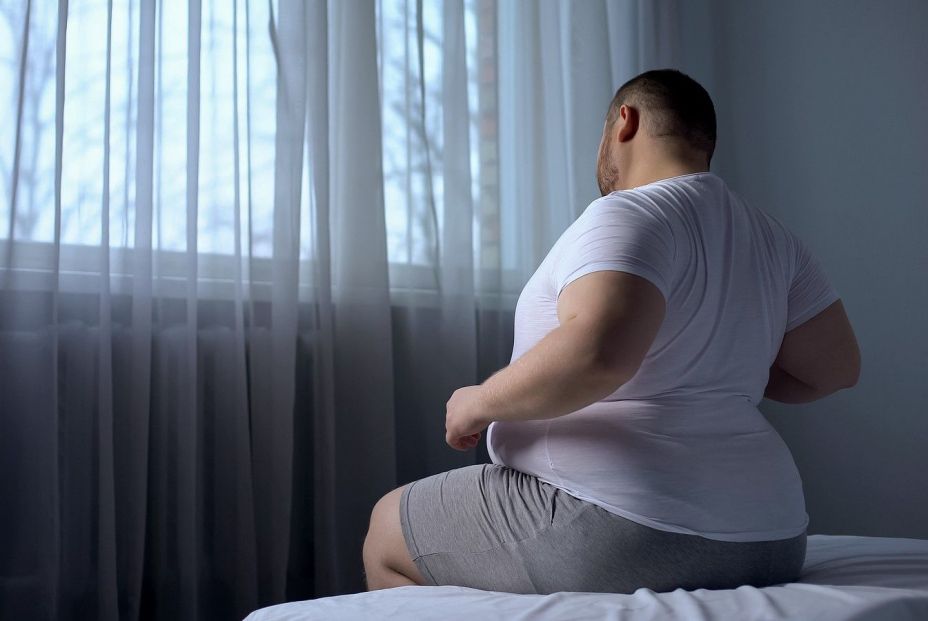
The most common musculoskeletal limitations
Among the most frequent musculoskeletal limitations, the SERMEF specialist has cited osteoarthritis -especially knee and hip-, low back pain chronic, joint overload, tendinopathies such as rotator cuff pain, plantar pain or fasciitis, limitation of joint range and muscle weakness relative, with higher risk of complications and worse results after orthopedic surgery.
“Sarcopenic obesity implies the coexistence of excess fat and muscle deterioration – a decrease in mass, strength and function – and is associated with greater clinical fragility, a significant reduction in physical capacity, a greater probability of falls, worse tolerance to effort and an increased risk of disability,” he explained. “It is especially relevant in older people, patients with chronic diseases or after prolonged periods of inactivity and can go unnoticed if only weight or Body Mass Index is evaluated, which requires incorporating assessment of muscle strength and function in clinical practice,” he added.
Exercising vs. prescribing exercise
In relation to exercise, Dr. Supervía has differentiated between recommending “exercise” and prescribing therapeutic exercise. “In Physical Medicine and Rehabilitation we talk about a personalized medical intervention that includes prior functional evaluation, individualization of type, intensity, volume and progression, adaptation to comorbidities, clinical safety and dynamic monitoring.” “In obesity it is especially relevant due to the greater risk of injury if it does not adapt, the greater metabolic cost and the need for progressive strategies to improve adherence. Correctly prescribed exercise improves functional capacity, reduces pain and fatigue, preserves or increases muscle mass, optimizes the loss of body fat, improves comorbidities and increases autonomy,” he highlighted.
Shortcomings in addressing obesity
At the SERMEF 2025 Congress, the Obesity and Sarcopenia Working Group presented a national survey that showed clinical variability in evaluation and treatment, underestimation of the functional impact, training deficiencies in clinical obesity, therapeutic exercise and body composition, absence of structured protocols and high interest in functional assessment tools. There is, the specialist in Physical Medicine and Rehabilitation underlined, a “great potential that is not yet fully developed, since obesity as the main diagnosis is not always addressed systematically.”
Among the organizational deficiencies, the survey has identified the absence of structured care circuits, limited multidisciplinary integration, the need for more specific training, unequal access to body composition tools, underrecognition of the functional impact and insufficient institutional visibility, with direct consequences such as delay in effective interventions, greater functional deterioration, less adherence and an increase in avoidable disability.
In response, the Obesity and Sarcopenia Working Group is developing a specific clinical guide with recommendations for morphofunctional assessment and prescription of therapeutic exercise and training material. In this sense, Dr. Marta Supervía emphasizes that within the field of Physical Medicine and Rehabilitation there are several training initiatives in the field of obesity such as accredited online courses, focused on obesity as a chronic disease, functional evaluation, sarcopenic obesity and therapeutic exercise within a multidisciplinary approach.
“Obesity is treatable and functional improvement is possible. Integrating Rehabilitation into healthcare strategies is not complementary, but rather key to optimizing clinical results, reducing disability and improving quality of life,” concluded the specialist from the Spanish Society of Rehabilitation and Physical Medicine (SERMEF).
[ad_2]
Source link