[ad_1]
Remote ischemic conditioning (RIC) is a simple, non-pharmacological technique that has demonstrated its usefulness in experimental models to protect the heart during cancer treatment with anthracyclineswithout interfering in its effectiveness, as revealed by a study with the participation of the National Cardiovascular Research Center (CNIC).
Advances in cancer treatment have allowed more and more people to overcome the disease. However, some of the most effective drugs, such as anthracyclines, they can cause significant side effects on the heartwhich can manifest months or even years after treatment, significantly affecting the patient’s quality of life.
This work, published in Basic Research in Cardiologyprovides new evidence to overcome this challenge, delving into the usefulness of remote ischemic conditioning, which has already demonstrated “solid cardioprotective potential” in preclinical studies and is being evaluated in clinical trials.
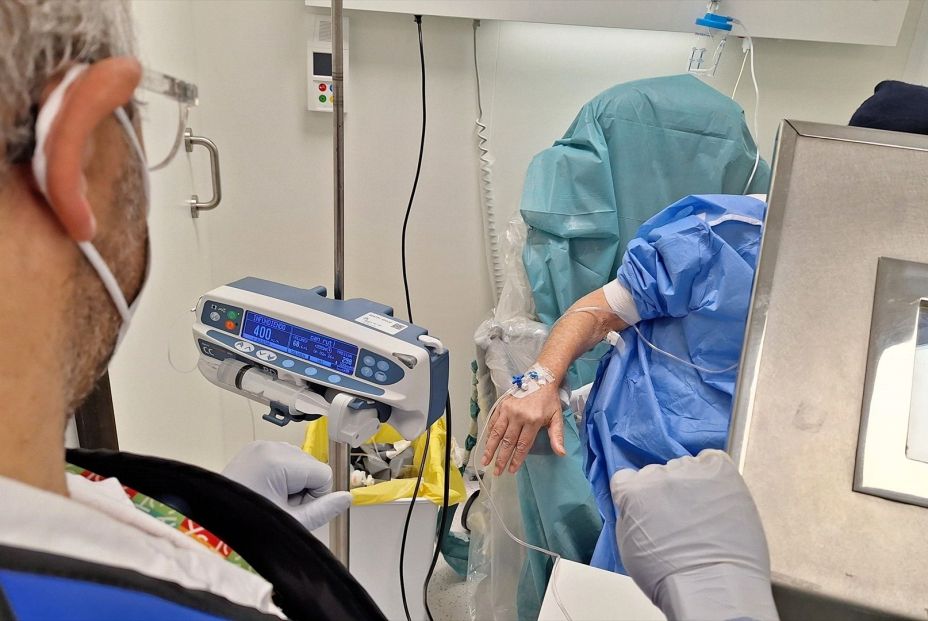
This technique consists of applying, in a controlled manner, brief episodes of interruption of blood flow to an extremitygenerally using a pressure cuff similar to that used to measure blood pressure. This stimulus activates protective mechanisms in the body that help the heart to better resist subsequent attacks, such as those produced by certain oncological treatments.
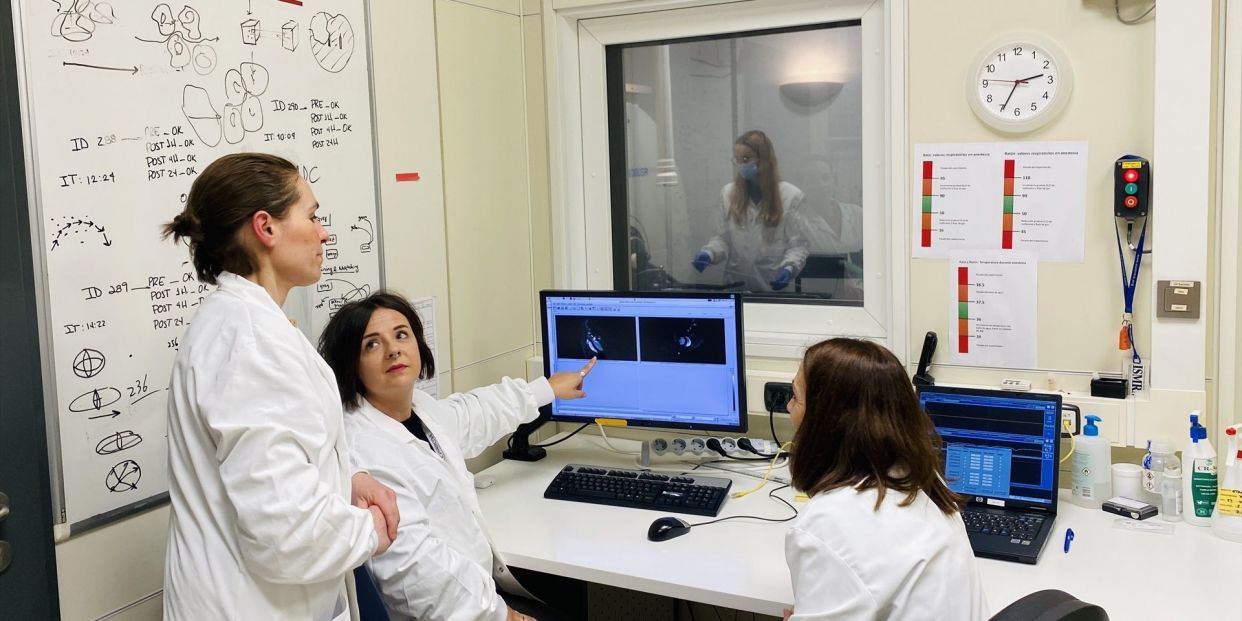
The researchers analyzed mice with tumors treated with anthracyclinesreproducing a situation comparable to that of cancer patients. The results show that animals receiving remote ischemic conditioning maintained better cardiac function during treatment.
Furthermore, and especially relevant, this cardioprotective effect was not associated with an increase in tumor growth or a decrease in the effectiveness of chemotherapy.
Move towards safer therapies
The first author of the work, Anabel Díaz-Guerra, a predoctoral researcher at the CNIC funded by the Spanish Association Against Cancer (AECC), has valued the results obtained for move towards safer therapies.
Along the same lines, the co-director of Díaz-Guerra’s thesis and senior member of the CNIC research team, Laura Cádiz, has insisted that “new avenues” are opened to improve the patient’s quality of life during and after treatment.
These results align with the translational vision of the group led by the scientific director of the CNIC, Borja Ibáñez, who is currently coordinating the European clinical trial Resilience. This study evaluates whether remote ischemic conditioning can protect the heart of cancer patients treated with anthracyclineswith the aim of reducing long-term cardiovascular complications.
The CNIC, through the Myocardial Homeostasis and Cardiac Damage Program, investigates the cardiovascular toxicity of cancer treatmentsespecially anthracycline damage, with the aim of developing effective and safe therapies.
Ibáñez’s group leads European projects such as ERC-Consolidator ‘Matrix’ and Horizon2020-HEALTH “Resilience”, in collaboration with the Fundación Jiménez Díaz University Hospital and the Cardiovascular Diseases area of the Red Biomedical Research Center (CIBERCV), to reduce heart failure in cancer survivors.
[ad_2]
Source link