[ad_1]
The Department of University, Research and Innovation finances a research project promoted by the group Advances in Intelligent Systems and Applications (Asia) from the University of Jaén (UJA), which has designed a smart system capable of objectively measuring whether a person with type 2 diabetes meets the medical guidelines agreed upon with their doctor.
As reported by the Board in a note, the proposal, currently in the pilot phase, combines sensors installed in the home and artificial intelligence techniques to transform a patient’s daily routine (presence in a room, number of daily steps, or opening a closet) into useful clinical data.
With this proposal, the doctor can consult directly in a developed web platform by the research team the degree of compliance with the therapeutic guidelines in real time, by dates or time periods.
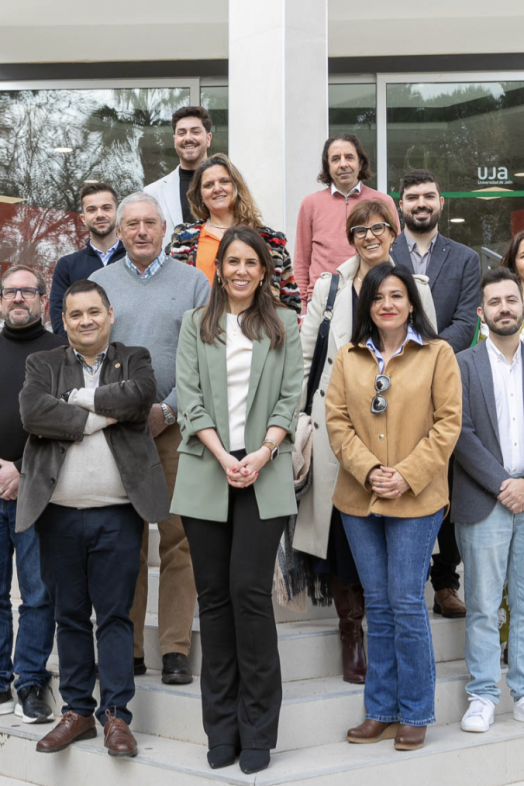
“When a patient arrives with uncontrolled sugar levels, the professional can better distinguish whether the problem is due to medication or a lack of adherence to healthy habits,” he explained to the Discover Foundationdependent on the Department of University, Research and Innovation, the researcher from the University of Jaén Macarena Shin.
The objective of this work is, therefore, to offer health professionals reliable and real-time information about whether the patient takes the medication, maintains adequate physical activity, respects his or her sleep schedule or follows a regular diet.
“Medication is only part of the treatment in chronic diseases such as type 2 diabetes. Exercise, rest or regularity in meals directly influence glucose control,” said the researcher.
Until now, tracking these habits depended largely on what the patient himself reported in consultation. This new system converts these behaviors into measurable indicators.
A personalized therapeutic contract. The study, published in the journal Applied Sciences Under the title Understanding Patient Adherence Through Sensor Data: An Integrated Approach to Chronic Disease Management, it was tested with eight people over the age of 65 years with type 2 diabetes in the municipality of Cabra (Córdoba) with the collaboration of the researcher from the Foundation for Biomedical Research of Córdoba Jesus Gonzalez Lama.
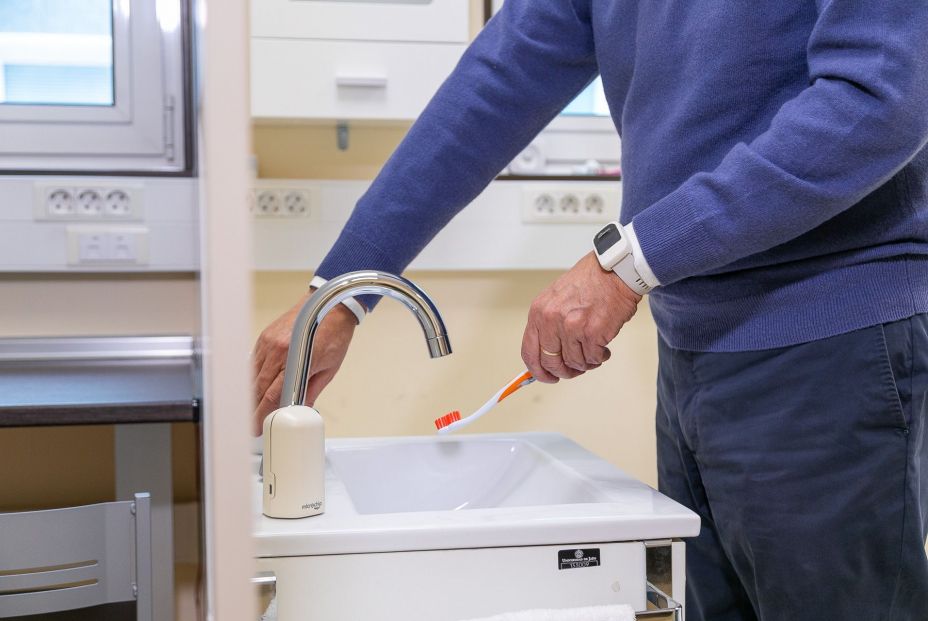
Each patient signed a “therapeutic contract” in which specific guidelines were established regarding medication, physical exercise, rest or hygiene schedules. Based on this agreement, the researchers interviewed the participating patients to understand their habits and install different sensors in their homes.
Some simply detected whether there was presence in a room, others recorded the opening of doors or cabinets, such as the medicine cabinet or refrigerator; and others measured vibrations, for example, when the shower was used. All without cameras, or intrusion into daily life.
“It is important to note that these devices did not record images or sound: only basic signals such as the opening of a door or the presence in a room,” he detailed. Macarena Shin.
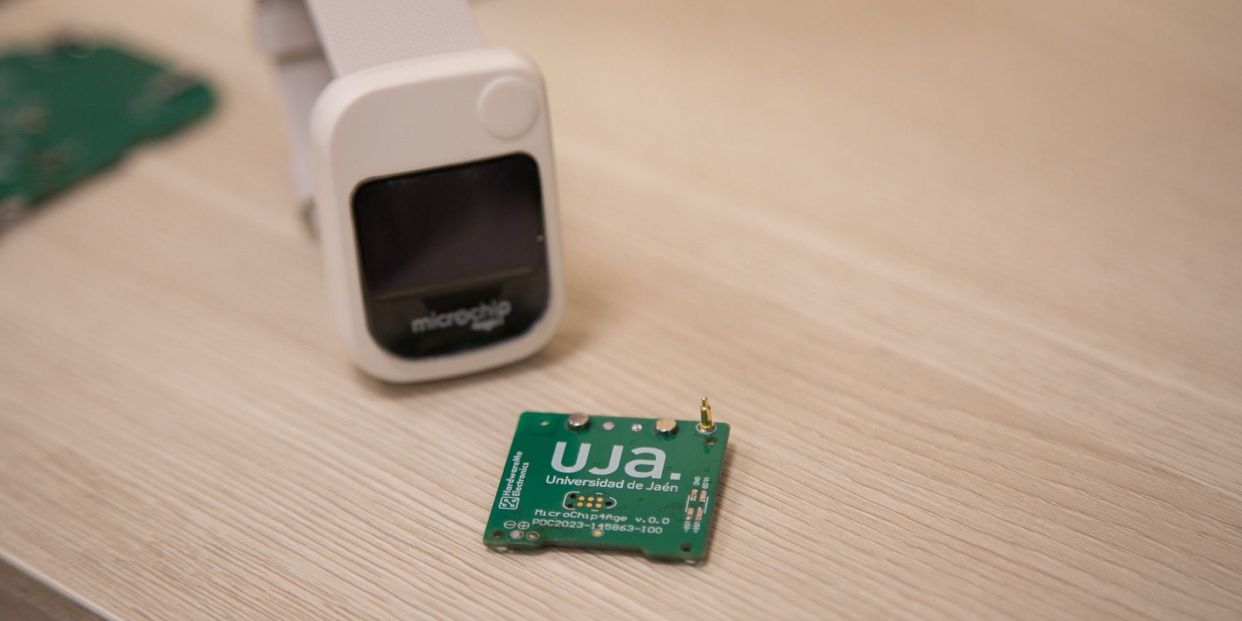
In parallel, each patient wore a smart bracelet that recorded signals such as daily steps, periods of activity or hours of sleep. Furthermore, it allowed identify other data of the home that did not correspond to the monitored patient.
In this way, if another person opened a door or entered a room without wearing the bracelet, the system discarded that data to avoid confusion. Later, a computer system that applies artificial intelligence combined all this information and transformed it into indicators of therapeutic compliance. That is, it converted everyday actions into useful information so that the doctor could assess whether the patient was following the agreed guidelines.
“For example, if the kitchen sensor registers that the patient with the bracelet is there, and the refrigerator sensor and the one that perceives vibration are also activated, the system interprets that the patient is making food,” he commented. Macarena Shin.
From home to doctor’s office
Finally, based on these associations, the system compared the patient’s actual routine with the guidelines established in the therapeutic contract. If the person complied with the medication schedules, maintained the recommended level of activity or respected their rest hours, the artificial intelligence translated this into a degree of adherence.
“It’s like giving a numerical grade to daily actions. For example, if the patient ate at the scheduled time, the system gave him a ten and, therefore, interpreted that he was following the treatment correctly,” indicated the researcher.
All this information was presented in real time on a web platform, in easy-to-interpret reports for the doctor. Thus, I could check the evolution for days or weeks, visualize behavioral patterns and detect possible deviations.
In this way, instead of relying solely on the patient’s story, the healthcare professional had objective indicators that helped him decide if the drug treatment was working or if it needed to be adjusted.
The experts explain that in this first pilot experience they used commercial sensorsso the next objective of the ASIA group will be to improve the design of the system so that it can grow, adapt and be maintained over time, in addition to obtaining the necessary technical certifications and testing the prototype in more hospitals and larger clinical environments.
This project has been financed, in addition to the University Department, through the Feder Andalusia Program 2021-2027by the Ministry of Science, Innovation and Universities and the State Research Agency, through co-financing from European Feder funds and the NextGenerationEU program.
[ad_2]
Source link