
[ad_1]
The coordinator of the Alzheimer’s program in the area of CIBER Neurodegenerative Diseases (CIBERNED) at the Sant Pau Hospital, Alberto Lleó, stated this Friday that the new challenges of Alzheimer’s involve improve early diagnosis and facilitate access to new medicationssuch as lecanemab or donanemab.
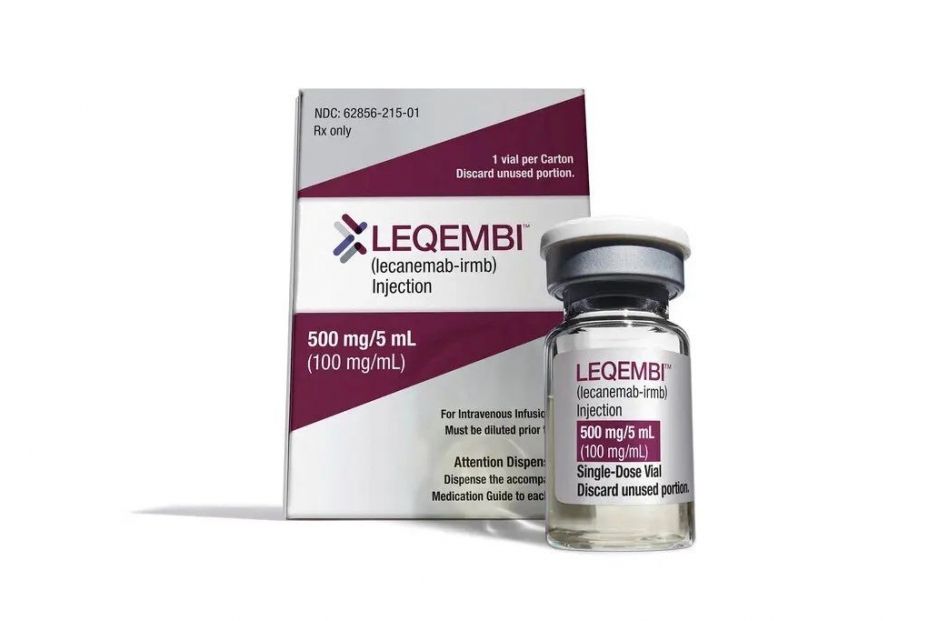
Leqembi (lecanemab) of Eisaiwhich was approved last April by the European Commission, is the first treatment capable of modifying the course of the disease in its initial phases, managing to delay its progression in those people with mild cognitive impairment or mild dementia.
And last Friday, September 26, the European Commission granted marketing authorization for Kisunla (donanemab)of Eli Lillyalso for early-stage Alzheimer’s. In both cases, patients with two copies of the APOE4 genetic variant are excluded as they have a higher risk of adverse effects.
The fact that both drugs act in early stages of the disease is what underlines the “urgency” to improve early diagnosisto clearly define access criteria, to monitor adverse effects and to adapt national systems so that these medicines can reach patients who meet the necessary conditions in time.
“The approval of modifying treatments opens a new era in Alzheimer’s diseasebeing able to modify the course of this disease for the first time. As with cancer or multiple sclerosis, these will be the first of multiple treatments that we will see in the coming years. As an example, in a few weeks we will know if semaglutide is effective for the treatment of Alzheimer’s disease,” Lleó stated.
Likewise, it has highlighted other studies that have reinforced the hypothesis that links herpes simplex virus type 1 (HSV-1)causing cold sores, with Alzheimer’s disease, and when it is reactivated in the brain it accelerates the accumulation of beta-amyloid and tau proteins, key elements in the pathology.

For her part, the coordinator of the CIBERNED Alzheimer’s Program in the Alzheimer’s Neurobiology Unit of the Carlos III Health InstituteEva Carro, has pointed out the “promising find” about what antiviral treatments for cold sores could reduce this risksuggesting a “new and promising” avenue for the prevention and treatment of the disease.
Other studies have managed to develop the most complete map of genetic risk for Alzheimer’s, based on the analysis of genetic data from almost 100,000 people from Europe, Asia, Africa and Americaand who have identified new genes and DNA regions linked to the disease, which has made it possible to create a genetic profile that can estimate a person’s probability of suffering from Alzheimer’s.
Another of the works highlighted and coordinated by CIBER is one that has analyzed the role of cerebrospinal fluid lipoproteinsresponsible for transporting cholesterol to neurons, concluding that, in people with Alzheimer’s, these particles show a reduced capacity to deliver said cholesterol.
This finding is “especially relevant” because this deficiency is directly associated with the presence of the APOE4 genetic variant, one of the main risk factors for the disease.
[ad_2]
Source link