[ad_1]
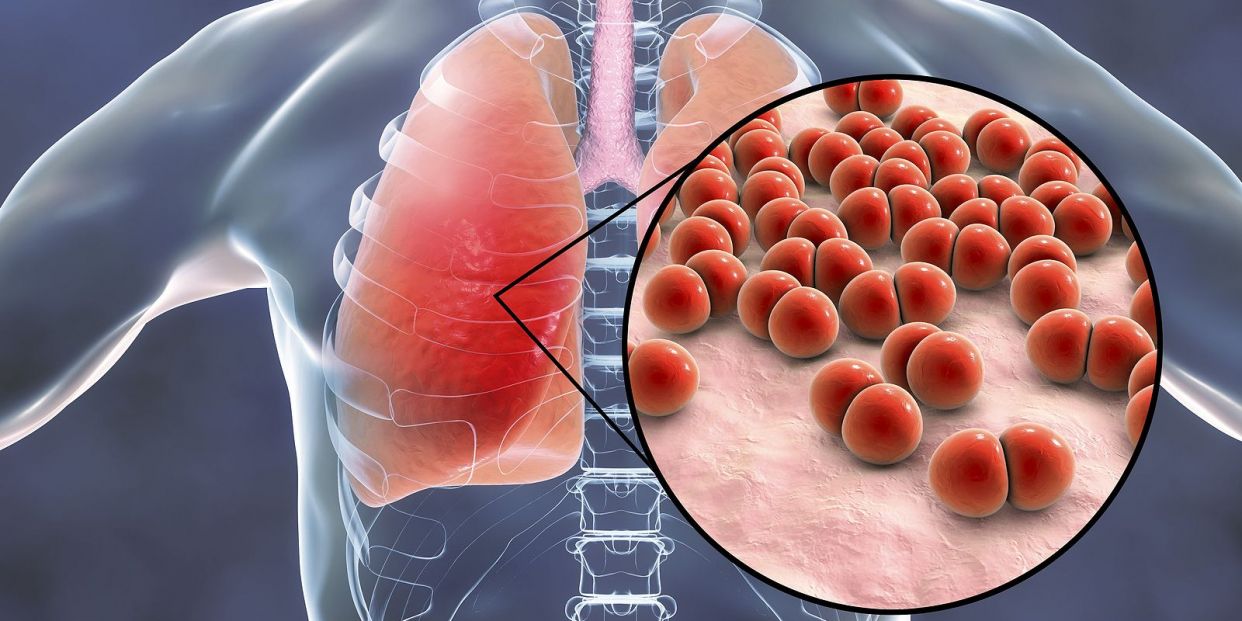
An investigation carried out in the National Center for Microbiology (CNM) of the Carlos III Health Institute (ISCIII) has obtained new data on the action of antibiotics, fluoroquinolones, used to combat diseases caused by the bacteria Streptococcus pneumoniae(pneumococcus) microorganism that causes most community-acquired pneumonia.
The results of the study, which have been published in the journal Nucleic Acids Researchprovide new knowledge about the resistance that pneumococcus develops against these drugs, and that complicate the effectiveness of treatments against infections such as pneumonia.
Specifically, the ISCIII team of researchers have identified which changes in the genome (methylation of A or C in the GATC sequence) inhibit the activity of gyrase, an essential enzyme of S. pneumoniaeon which they act fluoroquinolones. This knowledge may imply that methylation of the DNA be a new antibiotic target.

DNA gyrase, the target of fluoroquinolones, is an essential enzyme for cellular processes, since it maintains the topology of the bacterial chromosome, a function it carries out through its strategic location on the chromosome. The CNM-ISCIII researchers, led by Dr. Adela Gonzalezhave carried out in the bacteria a genomic mapping of the sequences to which the gyrase-fluoroquinolone complex binds, using immunoprecipitation and massive sequencing techniques.
Among the 1,517 sites genetics detected in this mapping, the majority (92.7%) was located within genes, and was associated with high levels of transcription. Sequencing has made it possible to identify the GATC sequence, key in bacterial DNA, as the most frequent to which gyrase binds (21.2% of all sites). This sequence is the target of three pneumococcus restriction systems, called DpnI, DpnII and DpnIII, and the study demonstrates that methylation in GATC by the DpnII or DpnIII systems decreases gyrase activity.
Since gyrase is less active in strains with GATC methylation, the CNM-ISCIII team has worked with the hypothesis that the frequency of fluoroquinolone-resistant mutants would be higher in strains with GATC methylation. The research has allowed us to demonstrate this thesis, a key finding to understand the stabilization of resistance to fluoroquinolones in pneumococcus, since the strains that carry the DnI, DpnII or DpnIII systems are present in the population of clinical isolates.
[ad_2]
Source link