[ad_1]
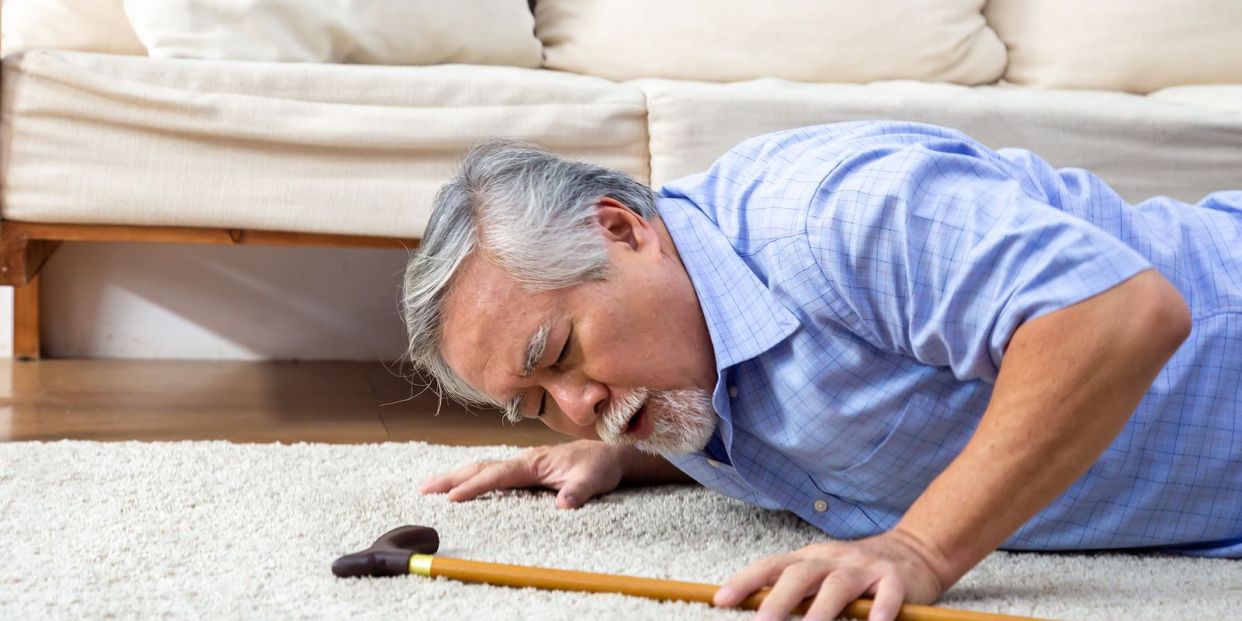
A fall doesn’t always end when the physical pain goes away. Sometimes, it leaves an emotional imprint that conditions the way in which the elderly person relates to their own body and their environment. The fear of tripping again or losing stability can lead to progressively reducing daily activities.
According to the Ministry of Health, 30% of people over 65 years of age and 50% of people over 80 years of age suffer some fall each year. However, the problem lies not only in the initial blow, but in the subsequent restriction of movement.
“After a fall it is common for insecurity to appear. The problem appears when this fear leads to stopping walking or limiting regular outings and tasks, because that is when it appears. post-fall syndrome or the fear of falling. In these situations, anticipatory anxiety occurs and can affect their self-esteem, leading them to verbalize that they are no longer capable,” says Alfonsy Díaz, psychologist at Sanitas Mayores.
According to Sanitas experts, It is advisable to perform a clinical assessment after a fall, even when no serious injuries are visible to the naked eye. “This review allows us to identify possible risk factors, analyze balance, muscle strength or gait and establish an individualized recovery plan. Recovering safety does not mean forcing movement, but accompanying it with clear guidelines and professional support. In the end, Decreased activity reduces muscle strength and affects balancewhich increases the probability of another episode,” comments Miriam Piqueras, medical director of Sanitas Mayores.
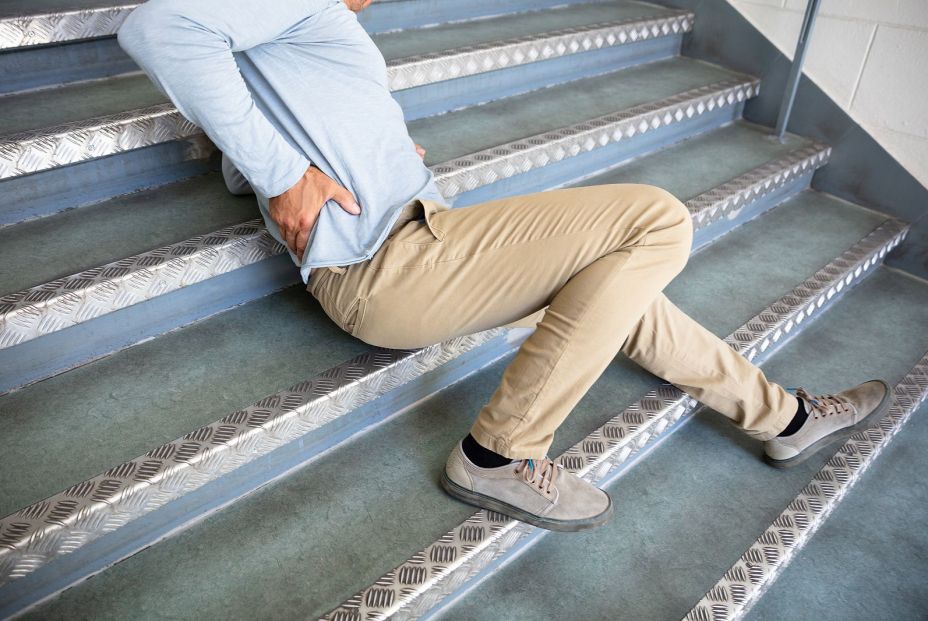
Given this situation, Sanitas experts have prepared a list with a series of recommendations to help reduce insecurity and fear after a fall:
Return to activity progressively: Performing basic strengthening exercises and balance work favors the recovery of muscle tone and stability. In this way, the older person checks that the movement is safe and increases their feeling of control.
Strengthen the muscles that allow hip and knee extension: These muscle groups are decisive for getting up from a chair or climbing stairs. For this reason, a program specialized in its development is advisable to improve the ability to react to minor imbalances.
Plan outings: During the first weeks, taking short walks with the support of a family member or close person allows you to regain confidence in outdoor environments and reduces the negative anticipation associated with open or irregular spaces.
Wear shoes with non-slip soles: Avoiding open shoes reduces the risk of slipping and provides greater stability during daily movements.
Likewise, it is important that they fit well to the foot and do not have worn soles.
“If action is taken in time, it is possible to prevent a specific episode from leading to prolonged limitation. Fear after a fall must be addressed from a comprehensive perspective that contributes to preserving autonomy and maintaining an active life with greater confidence.”says Miriam Piqueras, medical director of Sanitas Mayores.
Professional support must also extend to your own home.where much of the recovery takes place. “Having expert advice on home care allows you to adapt routines, reviewing the environment is advisable to maintain continuity of care after a fall,” adds Miriam Piqueras:
In this sense, it is worth mentioning that Sanitas has Blua Senior, a comprehensive assistance service for seniors in their own home. Thanks to a multidisciplinary network of professionals, such as physiotherapists, doctors, psychologists, speech therapists, occupational therapists and geriatric assistants, care adapted to each situation is provided.
[ad_2]
Source link