[ad_1]
A study carried out by professionals from the Sleep Unit of the Clinical Neurophysiology Service of the Virgen Macarena University Hospital in Seville has shown that smartwatches have significant limitations when estimating sleepwhich will be presented as a poster during the XXXIV Annual Meeting of the Spanish Sleep Society (SES).
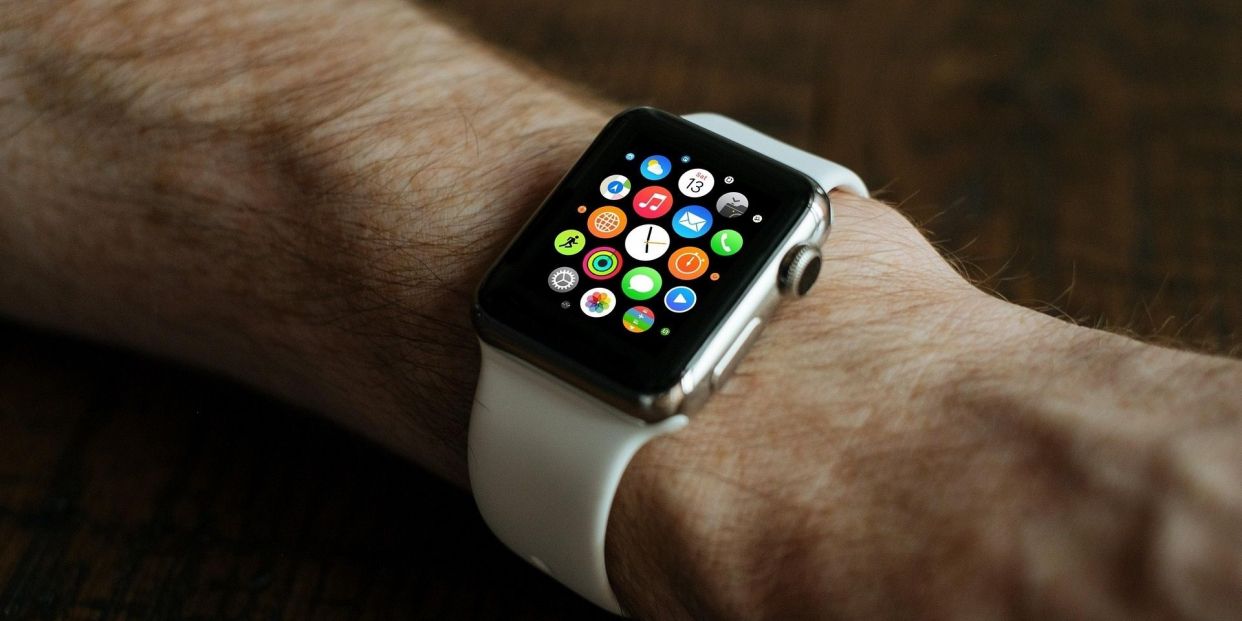
This meeting, which It will start on March 5 and which will take place at the Granada Conference Center with the assistance of more than 300 expertswill have, in this way, the presentation of the details of this work. He himself has compared the sleep analysis in healthy population between a smartwatch, specifically the Samsung Galaxy Watch 4 and the polysomnogramthe tool used in Sleep Units to diagnose sleep disorders.
So, after the analysis of 130 people (54.6% women and 45.4% men), with a average age 33 yearsdifferences “within clinically accepted limits” have been found in smartwatch measurements that reflect the ability to distinguish between sleep and wakefulness with high sensitivity and moderate specificity in sleep detection.
The identification of different sleep states “is less accurate”however, the authors of this research have highlighted, adding that, specifically, the analysis found that the smartwatch It advances the start of sleep, start of stable sleep and end of sleep times by a few minutes. Furthermore, it underestimates the total sleep time and, very markedly, by more than 45 minutes, the time in deep sleep.
On the contrary, this device slightly overestimates sleep efficiency and time in REM sleep and, significantly, the time awake after the onset of sleep (intra-sleep awakenings) and time in light sleep (in more than 37 minutes). “We cannot become obsessed with the data that these watches provide us,” the researchers have highlighted.
Divulgation
“Socially, a lot of veracity is being given to the data offered by these devices, when it is still many of them have their limitations“, explained the neurophysiologist at the Virgen Macarena University Hospital, Dr. Alba Salazar, who added that “it is very important convey how these devices work and their limitations and inform the population about this to take away the worry about what they read every morning on their watch screen.
However, the SES member has explained that these elements can provide data “for compare nights or times of a patient and thus have, thanks to these devices, a global, although limited, vision of the individual’s sleeping habits.” In addition, he has recognized that there may be more current models with better sleep estimates, although “they are still far from the precision of polysomnography.”
Finally, Salazar, who explained that “The important thing” is the sensations of rest themselvesconcluded by highlighting the importance of taking care of sleep, “one of the basic pillars of health.” To do this, basic guidelines must be followed sleep hygienesuch as having stable sleep patterns, avoiding exposure to screens at least an hour before bedtime, having a relaxing routine beforehand, avoiding long naps and the consumption of exciting substances during the afternoon or at the end of the day.
[ad_2]
Source link