[ad_1]
A study led by the Spanish Renal Foundation and published in Clinical Kidney Journal has shown that adjusting the hemodialysis dose taking into account the physical characteristics of each patient can significantly increase survival of people with advanced kidney disease.
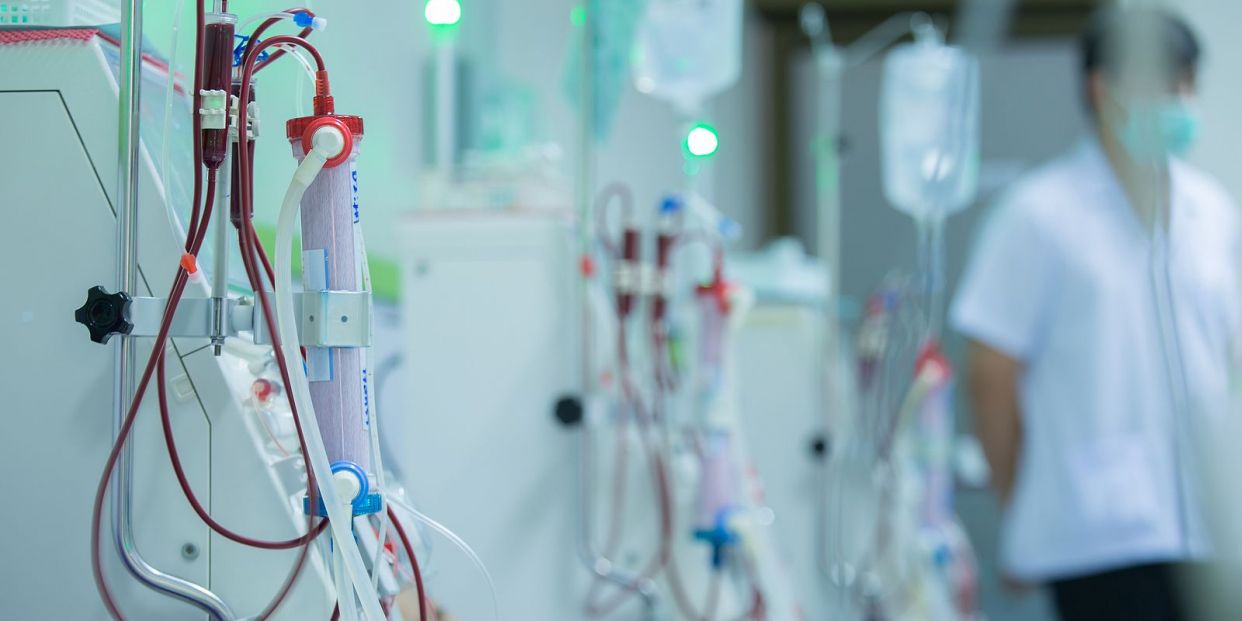
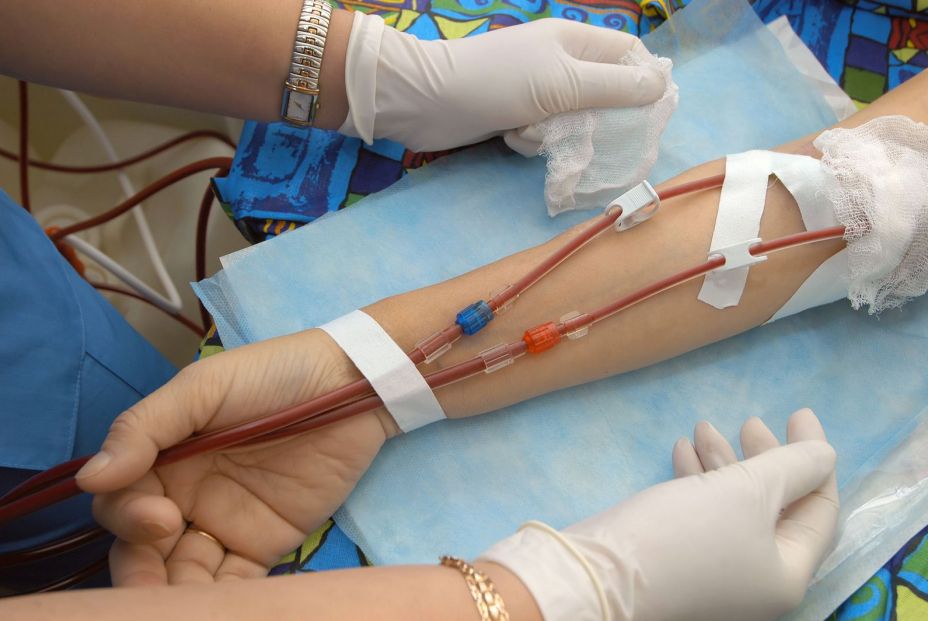
According to the Spanish Renal Foundation, hemodialysis It is a vital treatment that replaces the function of the kidneys when they stop working. To be truly effective, it is essential that the treatment is correctly tailored to each person.
In clinical practice there are general guidelines that serve as a reference for most patients, but this study highlights the importance of going one step further and adapt treatment to individual characteristicslike the body constitution or sexto improve health outcomes.
The research, carried out in 15 Spanish centers with more than 1,800 patients and 317,000 hemodialysis sessionshas evaluated the effectiveness of dosage goals based on sex and physical complexion, revealing that achieving these goals on an individualized basis is associated with better clinical outcomes.
Specifically, patients who achieved both criteria for adequate dialysis had a mortality risk more than 60 percent lower in the following two years. On the other hand, those who only met one of the criteria, especially the one based solely on sex, did not achieve the same long-term benefit.
The Foundation highlights that These results highlight the importance of a more precise assessment of dialysis doseespecially in overweight or obese patients, who could receive insufficient treatment if general criteria are applied.
The study also highlights the need for dialysis protocols adapted to the individual situation of each patient, considering factors such as age, comorbidity and type of vascular accessto improve the quality and survival of hemodialysis patients.
The researchers conclude that “personalizing dialysis is a necessity” and that “tailoring treatment to each patient could translate into better quality of life and survival for thousands of people receiving treatment today.”
[ad_2]
Source link