[ad_1]
A study of the Miguel Hernández University of Elche (UMH) has revealed that the content of sodium of many processed foods sold in Spain “has not decreased in recent years, despite public health commitments to reduce its impact on cardiovascular diseases.
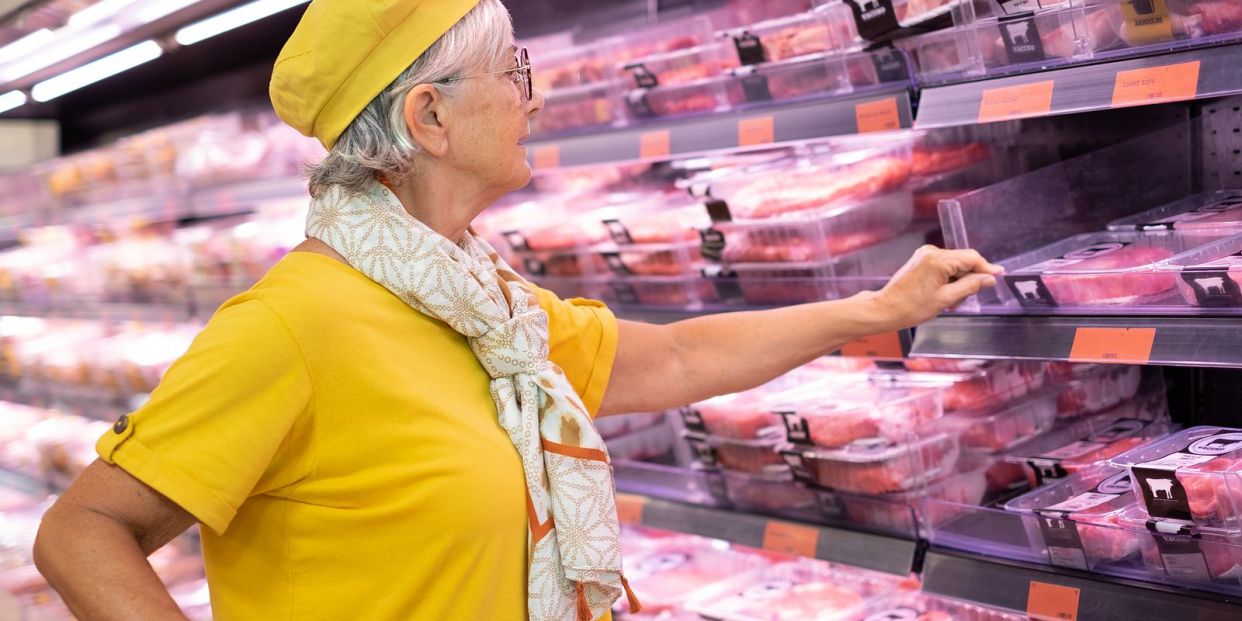
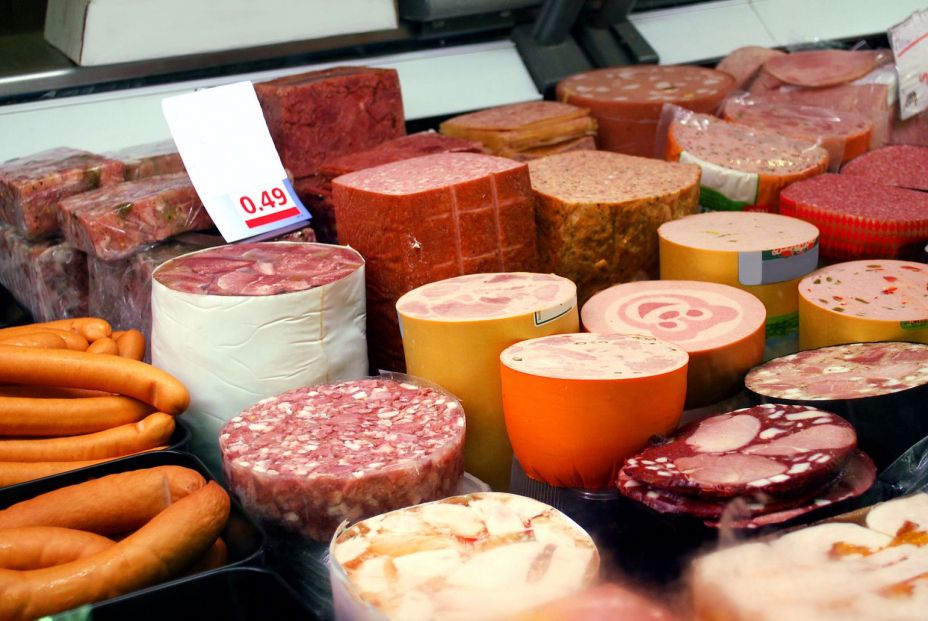
In this sense, processed meats have increased the sodium content, indicated as salt in the nutritional information, by 30 percent. In addition, more cheeses are being marketed that exceed the recommended limits, according to the academic institution in a statement.
The work has shown, according to the UMH, that, without “more effective” mandatory measures, it will be “difficult” to achieve “a significant reduction in health problems associated with excessive sodium consumption,” which “in Spain comes mostly from processed supermarket foods.”
High sodium intake, in the opinion of the academic institution, is “one of the main modifiable risk factors for high blood pressure and cardiovascular diseases, responsible for a substantial part of the mortality in Spain and in the world”.
The World Health Organization (WHO) recommends not exceeding two grams of sodium per day, equivalent to five grams of salt, although the average sodium consumption in Spain almost doubles the recommended maximum, the university has detailed.
Public health strategies
The professor of Nutrition and Bromatology at the UMH, Ana Belén Roperoleader of the study, has pointed out that “excess sodium consumption comes mostly from processed foods and not so much from the salt added during domestic preparation”, which is why one of the proposed public health strategies is to “reduce sodium in supermarket products.”
In this context, the Badali Group from the UMH has verified whether processed foods sold in Spain have really reduced their sodium content in recent years, as a result of the country’s “commitment” to the WHO to reduce salt consumption in the population by 30% before 2026.
The work, published in the ‘European Journal of Nutrition‘, analyzes more than 6,000 packaged food products available in the Spanish market between the periods of 2017 to 2021 and 2022 to 2025. Thus, they have compared the progression of sodium content in the products that contribute the most to salt consumption in Spain: processed meats, bread and cheeses.
In addition, other types of foods that also tend to contain added saltsuch as breakfast cereals, canned vegetables and legumes, sauces, biscuits and snacks.
The results reveal that “there has been no substantial reduction in sodium in the most important food types.” Processed meat, which is highly consumed, has increased its content by more than 30% and decreases of “little nutritional relevance” have been observed in other products, such as cookies and snacks. Likewise, the study indicates that more cheeses with high sodium content are now marketed.
For her part, the UMH researcher Manel C. Hadid has stressed that “anyone can identify a product with a high sodium content by looking at the nutritional information table” and has pointed out that “if it contains more than one gram of salt per hundred of product, it would be excessive and not recommended.” In the case of liquids, the expert has indicated that the criterion is 0.25 grams of salt per hundred milliliters of product.
Likewise, the professor of Nutrition and Bromatology at the UMH Marta Beltra has stated that manufacturers have been recommended to reduce the salt content in foods. However, without regulatory interventions that force to reduce salt, has asserted that “a real decrease in health problems is unlikely to occur.”
On the other hand, according to several independent studies, reducing sodium intake is “one of the most effective interventions to prevent non-communicable diseases.” However, the analysis carried out at the UMH shows that, with current initiatives, “the objective cannot be achieved.”
The UMH researchers have also stressed that the variability between products shows that there is “technical margin to reduce sodium without compromising consumer acceptability”, but that these reductions “are not materializing in a systematic way.”
The work thus points to “the need to strengthen regulatory frameworks, establish mandatory limits and expand food reformulation strategies” to meet international public health objectives.
Database
For the study, the Badali database was used, a tool developed at the UMH for the study of the nutritional composition of foods marketed in Spain that can be consulted freely to “learn to follow a balanced and healthy diet.”
[ad_2]
Source link