[ad_1]
A study led by researchers from the Department of Molecular Biology and Biochemistry of the University of Malaga (UMA) has focused on the biological potential of punicalina natural compound belonging to the polyphenol family and present in plants such as pomegranate, revealing its antitumor potential against breast cancer triple negative, one of the most aggressive and complex from a therapeutic point of view.
The work, published in the magazine International Journal of Molecular Sciencesexplores how this molecule can affect not only tumor cells, but also other cell types that are part of the environment, known as the tumor microenvironment, a key factor in the development and spread of cancer.
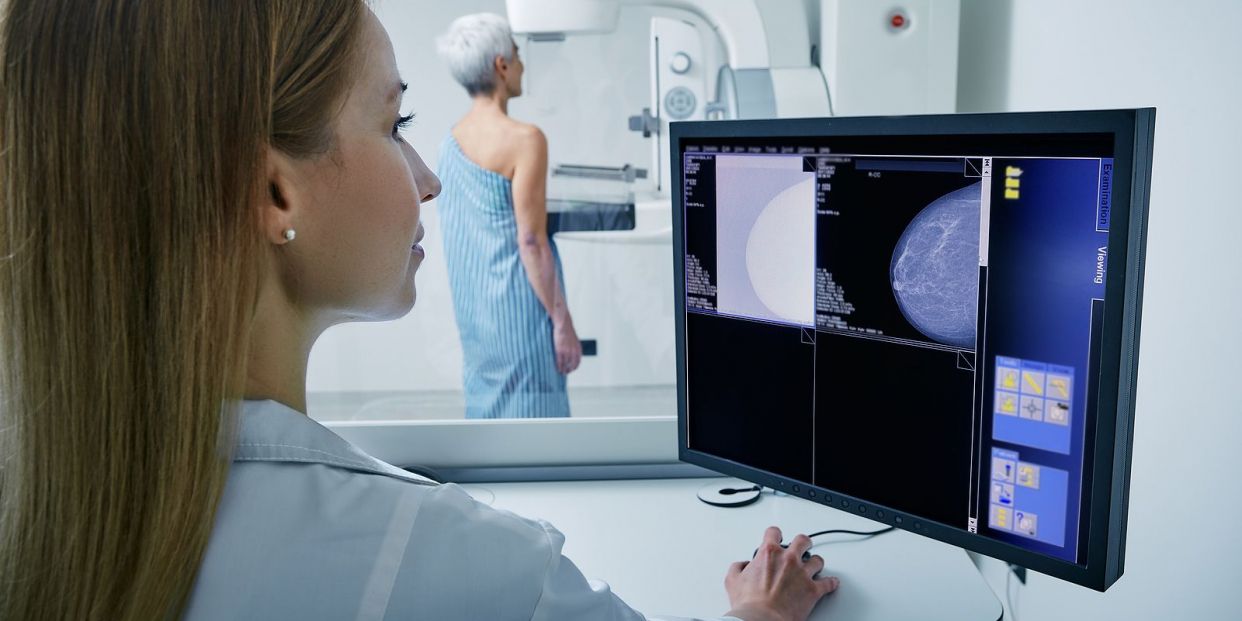
Breast cancer is the most diagnosed in women worldwide, and represents one of the main public health problems. As explained by UMA scientists María Carmen Banqueri Pegalajar, Miguel Ángel Medina Torres and Manuel Bernal Muñoz, authors of the study – also belonging to Ibima Plataforma Bionand -, within its different subtypes, triple negative breast cancer is characterized by the absence of three receptors that are common in targeted treatments: estrogen, progesterone and HER2 receptors, which considerably limits the available therapeutic options.
As a result, patients with this type of cancer tend to rely primarily on treatments such as chemotherapy. Therefore, they have focused on this urgent need to identify new therapeutic strategies and new compounds with antitumor potential.
Tumor microenvironment
Likewise, one of the key aspects in current cancer research is the study of the tumor microenvironment: as the study explains, tumors are not only made up of cancer cells, but They constantly interact with other cell types present in their environment, so that these interactions decisively influence processes such as the growth of a tumor, the formation of new blood vessels (angiogenesis) and the ability of cancer to spread to other organs (metastasis).
The researcher María del Carmen Banqueri Pegalajar has stressed that “for this reason it is essential to analyze the possible effects of antitumor compounds not only on tumor cells, but also on other cell types that are part of the tumor microenvironment, including healthy cells.”
Interest in natural compounds
In recent years, the natural compounds have aroused growing interest in biomedical research, since many of them have antioxidant properties and the ability to modulate various cellular processes involved in the development of diseases, including cancer.
Furthermore, “they represent a important source of bioactive molecules that can serve as a basis for the development of new drugs,” explained Banqueri Pegalajar.
In this context, the researchers evaluated how punicalin affects different cellular processes related to tumor progression and angiogenesis, determining whether its effects vary between different cell types involved in the tumor microenvironment.
The effects of punicalin
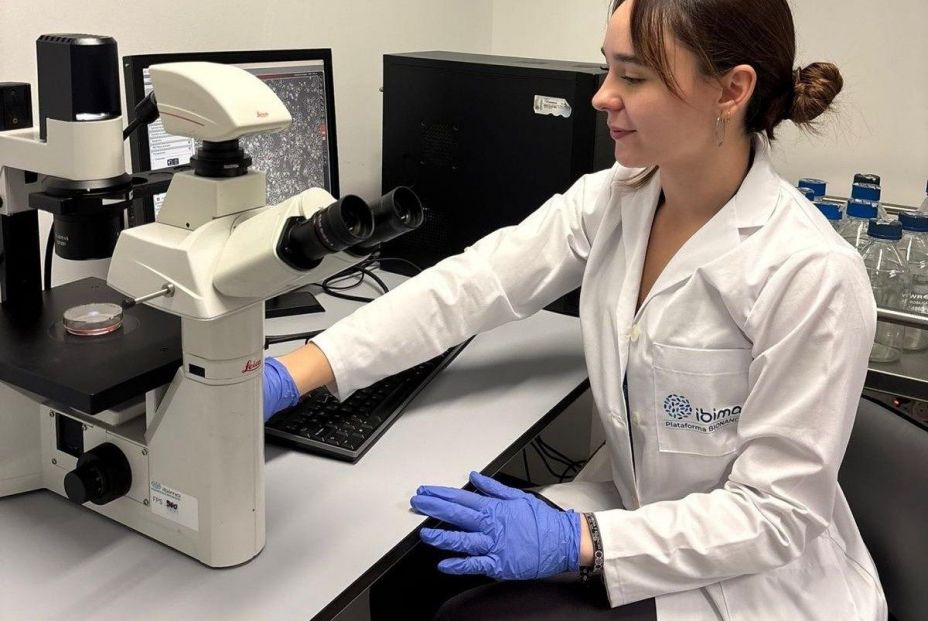
Through different experimental trials, they analyzed the impact of the compound on several relevant biological processes: they evaluated cell viability, with the aim of determining whether punicalin has cytotoxic effects on tumor cells; They studied their influence on oxidative stress and autophagytwo processes related to the survival and adaptation of cancer cells; and performed assays to analyze cell migration, a key process in tumor invasion.
The researchers emphasize that the main results obtained reveal that punicalin exerts relevant and different biological effects depending on the cell type analyzed, which highlights the importance of studying these compounds in the context of the tumor microenvironment.
A significant reduction in cell viability and a notable sensitivity of the cells to treatment were observed in triple-negative breast cancer cells. Additionally, the compound was able to modulate key cellular processes such as oxidative stress and autophagy, mechanisms that play an important role in the adaptation and survival of tumor cells.
On the other hand, Banqueri Pegalajar has also detailed that they observed that “punicalin reduces the migratory capacity of tumor cells, which could contribute to limiting its invasive potential,” in addition to showing relevant effects on the cells involved in angiogenesis. “In particular, a decrease in the ability to form vascular structures was observed, a fundamental process for tumor growth,” he added.
The therapeutic potential of natural compounds
These findings highlight the relevance of studying potential antitumor compounds from a broader perspective that includes cellular interactions within the tumor.
The work reinforces the scientific interest in natural compounds as a source of new bioactive molecules with therapeutic potential. Furthermore, researcher Banqueri Pegalajar emphasizes that, although additional studies in more complex models are necessary to get closer to the clinic, these results “provide new evidence on the potential of this type of compounds to modulate key processes involved in the development and progression of cancer.”
research group
The work has been developed in the R&D group ‘Molecular Bases of Complex Biological Systems’, attached to the UMA and the Malaga Biomedical Research Institute.
This group focuses its research on the study of complex biological processes involved in human diseases, with special interest in cancer, angiogenesis, rare diseases and the identification of new bioactive compounds with therapeutic potential.
The research has been carried out mainly by María del Carmen Banqueri Pegalajarbiochemist and predoctoral researcher at the University of Malaga, under the direction of Miguel Ángel Medina Torres and Manuel Bernal Muñoz.
Throughout her academic career she has been recognized by Soroptimist with a scholarship for excellence aimed at women in STEM disciplines and has been selected to participate in an international women’s leadership academy.
His doctoral thesis focuses on the study and characterization of the bioactivities of natural compounds with potential antitumor and antiangiogenic activity, analyzing how these compounds can modulate key processes involved in cancer progression and tumor vascularization.
[ad_2]
Source link