[ad_1]
A team of researchers has developed a new strategy neuroblastoma treatment in which the nanotechnology with cell therapy and, using liposomes modified with ‘LEGO-type’ groups or ‘click molecules’, they are capable of find and kill cancer cells effectively.
The childhood cancer with the worst prognosis and for which a completely effective therapy is currently not known is neuroblastoma. This type of tumor has been treated with therapies whose main problem is the lack of selectivity. In the specific case of cellular therapies – which consist of administer living cells capable of developing a function that the patient’s cells are not capable of doing-its main limitation is that the cells that are administered to the patient have difficulty distinguishing diseased cells, since the tumor environment is very diverse.
Now, a team made up of researchers from the Polytechnic University of Madrid (UPM), the Niño Jesús University Children’s Hospital and the Advanced Optical Microscopy Unit of the Carlos III Health Institute (ISCIII) combines nanotechnology with cell therapy to find and eliminate cancer cells, which could increase the success of treatments.
In recent years, nanotechnology has experienced very significant advances. This science allows, among other things, design nanometer-scale devices capable of executing very sophisticated tasks such as, for example, finding a certain type of cell among a set of diverse cells, or releasing drugs exclusively within a target cell. The combination of these advantages provided by nanotechnology with the use of cell therapies would open the door to the possibilities of success of the treatments being significantly increased.
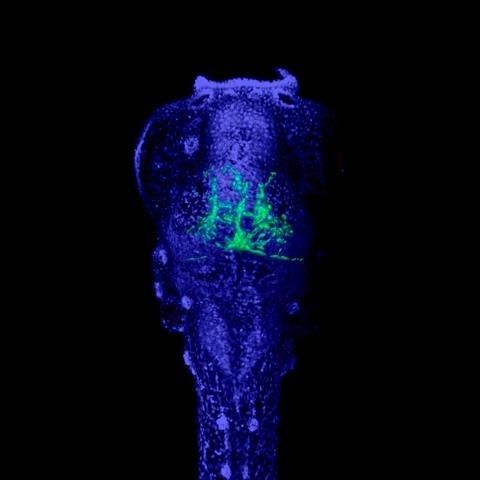
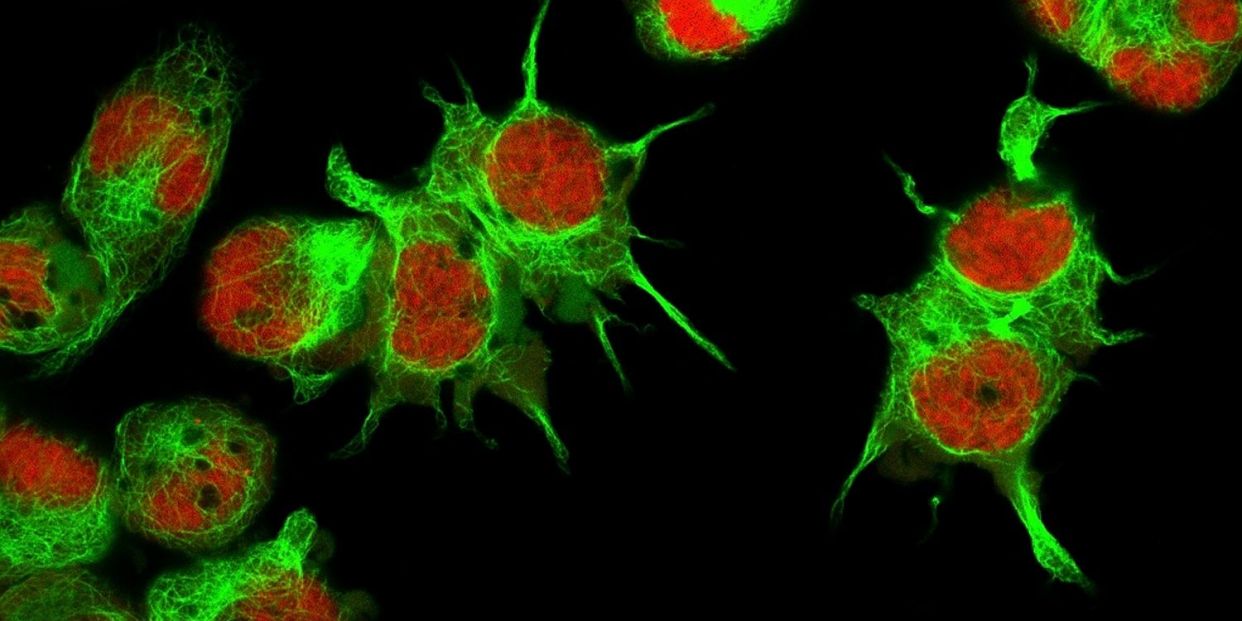
This is what the UPM Organic Nanotechnology team has achieved, led by Professor Alejandro Baeza, in collaboration with the Niño Jesús University Children’s Hospital and the ISCIII. They have developed a strategy that consists of modify the surface of neuroblastoma cells and the surface of a type of the patient’s own immune cells (specifically, macrophages) by introducing chemical groups on the surface of these cells capable of recognizing each other.
The groups that are introduced on the surface of macrophages and neuroblastoma cells They belong to a class of molecules known as ‘click molecules’ or ‘LEGO type’. These molecules fit together like a key in a lock and only bind to the complementary group. In this way, when macrophages carrying a type of ‘click’ molecule reach the tumor, they will be able to unequivocally find the tumor cells marked with the complementary ‘click’ group through these selective junctions, similar to how the pieces fit together in a LEGO.
These surface modifications are carried out using liposomal nanoparticles which, in addition, can carry drugs inside them capable of weakening or even killing tumor cells and further activating macrophages respectively.
“This research opens the door to much more effective and selective therapies not only to treat neuroblastoma but other types of cancersince both the target cell recognition elements and the drugs can be adapted depending on the type of tumor to be treated. In this way, the selectivity of cancer therapies will be improved and the necessary doses will be reduced, which will reduce side effects,” said Sandra Jiménez Falcao, researcher at the UPM.
[ad_2]
Source link