[ad_1]
In recent years, social networks have been consolidated as a regular source of health and self-care advice. In the field of oral health, this trend has fueled the popularity of seemingly harmless practices, such as the use of active charcoal to whiten teeth, homemade recipes with lemon or baking soda, or rinses that promise immediate results. However, real risks to oral health hide behind these viral messages.
“The search for quick, economical and ‘natural’ solutions respond to a context marked by overexposure to visual content and very demanding aesthetic ideals. The perfect white smile has become a social standard that, in many cases, leads to adopting habits without a medical basis,” warns Pablo Ramos, psychologist at Blua de Sanitas.
This behavior is directly related to the way in which information about oral health is consumed. According to the Sanitas Study Oral health in the digital age, eight out of ten Spaniards use the Internet and social networks to obtain information about this areaand more than half acknowledge consulting this content regularly on social networks. In addition, the digital conversation is strongly marked by aesthetics, especially on platforms like TikTok, where more than 90% of searches about oral health are related to appearance.
“The mouth is a particularly sensitive ecosystemin which repeated attacks can have cumulative effects. The problem is not only that these practices do not work as promised, but that can cause irreversible damage to teeth and gums“, explains Antonio Longo, from the Sanitas Dental care and technical quality team. “Tooth enamel does not regenerate and, when it wears down due to the use of abrasive or acidic products, sensitivity increases and the risk of cavities increases,” he adds.
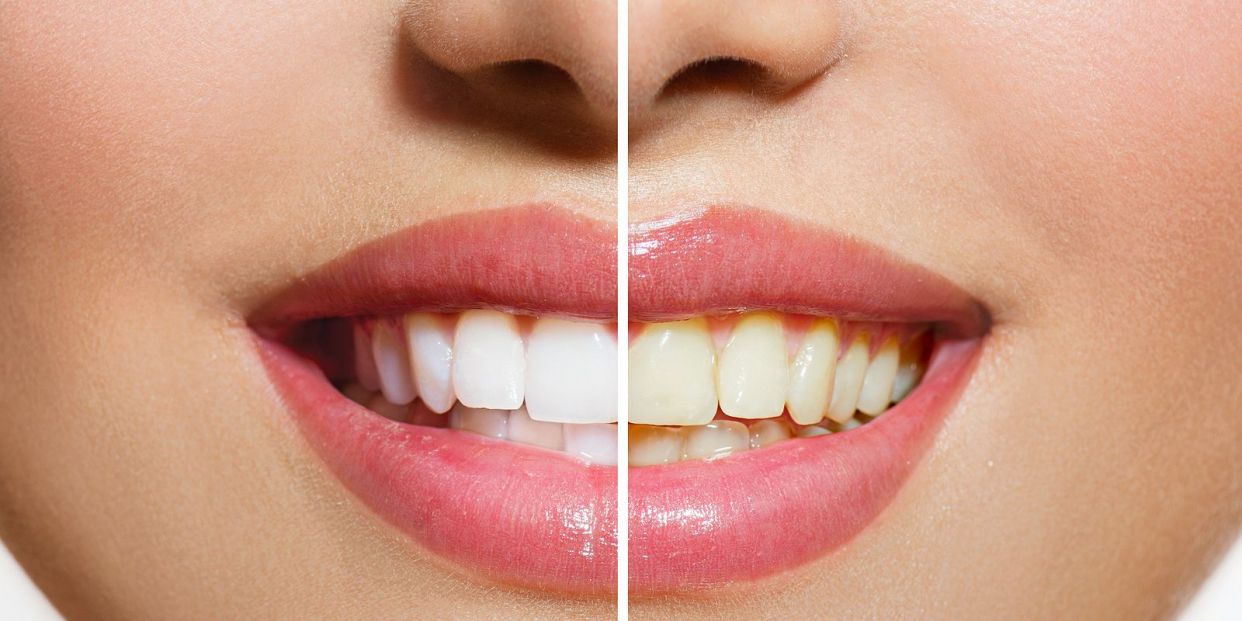
One of the most widespread examples is use of activated carbon. Although it is presented as a natural bleach, Its effect is based on mechanical abrasion. By removing superficial stains, it also progressively erodes the enamel. In the short term it can generate a sensation of cleanliness, but over time it leaves the tooth more exposed, promoting dental sensitivity and subsequent darkening.
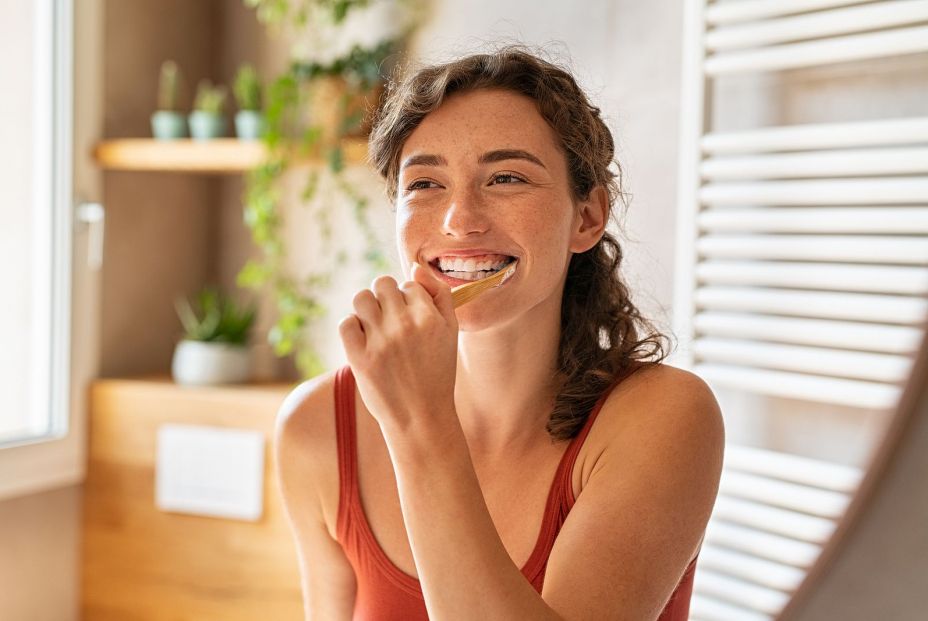
“Something similar happens with home whitening based on lemon, vinegar or baking soda. It is about highly acidic or abrasive substances that alter the pH of the mouth and weaken the tooth surface. The continued use of these products can inflame the gums, irritate the mucous membranes and facilitate the appearance of lesions,” adds Antonio Longo.
Beyond the physical impact, these trends also have an emotional reading. “The constant comparison on social networks and the pressure to fit into certain aesthetic canons can generate dissatisfaction with one’s own image and encourage impulsive decisions related to health. When appearance becomes a central element of social validation, the probability of adopting behaviors without adequately evaluating its consequences increases, especially in the young population,” says Pablo Ramos, psychologist.
The miracle rinses that circulate on social networks are not without risks either. Some contain inadequate concentrations of alcohol or essential oilswhich can cause soral dryness and imbalances in the oral microbiota. The decrease in saliva reduces the natural defense capacity of the mouth and favors bacterial proliferation, with a greater risk of cavities, halitosis and periodontal disease.
Given the proliferation of these myths, the experts at Sanitas Dental recommend distrusting quick solutions without professional support, avoid the habitual use of abrasive or acidic productsalways consult with a specialist dentist before starting any whitening treatment, whether in person or through video consultation, who will be able to indicate safe alternatives with scientific support, with a low abrasiveness index (RDA) and quality products that incorporate active ingredients such as PVP or some phosphate systemswhich help dissolve stains without compromising the integrity of the enamel, remembering that maintaining adequate oral hygiene, based on brushing with fluoride paste and periodic check-ups is the key to maintaining excellent oral health.
“Taking care of oral health does not involve following viral trends, but rather adopting sustainable habits based on scientific evidence, always with the supervision of professionals,” concludes Antonio Longo, from Sanitas Dental.
[ad_2]
Source link