[ad_1]
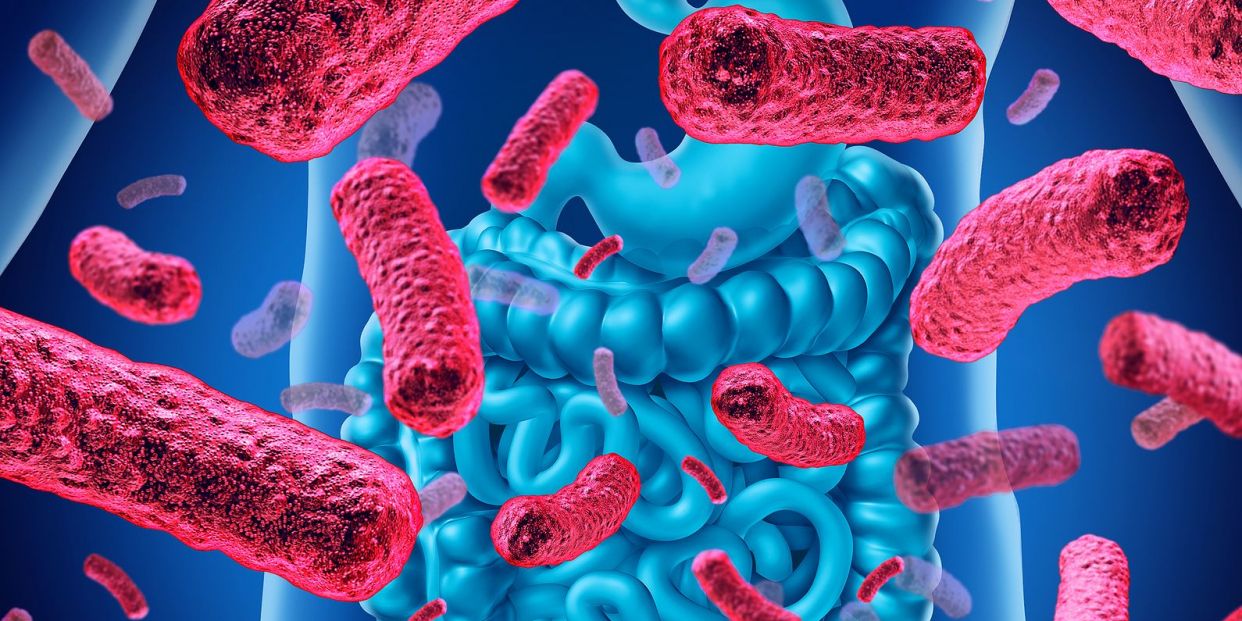
A team of researchers coordinated by the CEU San Pablo University has shown that a flu infection in pigs causes “Important changes” in the pulmonary microbiota, In addition to increasing the presence of bacteria “Potentially pathogenic” and the diversity of bacterial genres, compared to healthy animals.
The results of the study, published in the magazine Frontiers in Cellular and Infection Microbiology, They warn about the risks of secondary bacterial complicationsbeyond the most common bacteria that cause respiratory pneumonies associated with flu infections.
The appearance of these opportunistic pathogens after viral infection It would also be a complication of the clinical course and recoverywhich helps to explain how the complications associated with the flu can lead to secondary infections and bacterial pneumonies.

“A better understanding of how the infilitual infection weakens the immune system and favors posterior bacterial infections can allow the development and optimization of treatments”said the scientist of the Reference and Research Laboratory in Immunology of the National Microbiology Center of the Carlos III Health Institute, Jordi Cano Ochando.
The first author of the study, Javier Arranz-Herreroof the ISCIII and the CEU San Pablo University, explained that this work helps to understand the complexity of the microbiota in the evolution of the respiratory infections associated with the flu.
These results They open the door to similar studies in humans already possible diagnostic and therapeutic applicationswhich would allow anticipating complications associated with flu and other respiratory diseases caused by viruses.
Bacterial diversity in the lungs could influence
“Currently, the microbiological diagnosis and the treatment of infections focuses on finding the virus causing gripal infection and in case of posterior bacterial pneumonia, the bacteria responsible for the complication,” he added Arranz-Herrero.
However, the study authors have stressed that The bacteria that cause pneumonies not only come from outsideand it is that the respiratory system is colonized by a multitude of bacteria, and that some take advantage of the flu infection to replicate and complicate the clinical picture.
Although the most common opportunistic bacteria have been observed in these infections in pigs, it has also been discovered that There is a great bacterial diversity that accompanies those that are commonly diagnosedand whose role is not yet known.
Scientists have also indicated their ignorance about how they can determine the development of the disease, both in viral infections in which posterior bacterial pneumonia develops and in those where it does not occur, and Antibiotic treatment does not finish giving solutions.
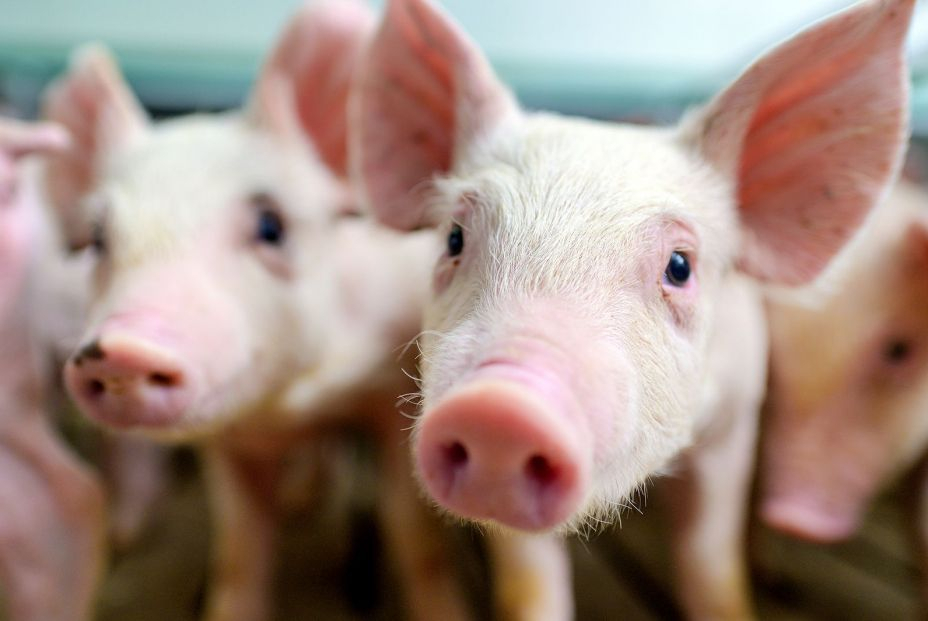
The work has been done with samples of lung necropsy of 53 infected pigs and 39 healthy From different Spanish regions, and scientists have used third generation sequencing technology of nanoporos, which has contributed a “fast and practical” method to diagnose modifications in respiratory microbiota.
The importance of analyzing the pulmonary microbiota of pigs is that their flu development is “similar” to that of humans. In addition, the pig is considered as a Important reservoir and genetic mixer of flu viruses with pandemic potentialas evidenced in Pandemia H1N1 of 2009.
The National Institute for Agricultural and Food Technology (INIA), the University of León, the Margarita Salas Biological Research Center, the ICAHN School of Medicine in Monte Sinai (United States), the Kansas State University (United States) and the Alaska University (United States); and is part of the work of the Centers of Excellence for Research and Response to Influenza (CEIRR), funded by the National Institute of Infectious Allergies and Diseases (NIAID) of the United States.
[ad_2]
Source link