[ad_1]
Ophthalmologist Beatriz Fernández-Vega, from the Fernández-Vega Ophthalmological Institute, has warned about visual cues such as perceiving straight lines as wavya phenomenon known as metamorphopsia, or the central vision losswhich can be Early symptoms of age-related macular degeneration (AMD)for whom he has advised to go for a consultation as soon as possible.
On the occasion of World Retina Day, which was celebrated last Sunday, the Institute recalled that AMD is the most common cause of legal blindness in people over 55 years of age. Thus, although its cause is unknown, aging is the main risk factor for this pathology of the macula. As Fernández-Vega explained, the macula is responsible for central visionthe perception of details and the ability to distinguish colors, all essential for everyday activities such as reading, driving or recognizing faces. Therefore, its impact directly impacts the quality of life.
Regarding AMD, he detailed that it is currently classified as three stages depending on severitythese are, DMAE earlyAMD intermediate and AMD advanced. The latter includes geographic macular atrophy and choroidal neovascularization, previously defined as dry and wet. Along with age, Beatriz Fernández-Vega has specified that there are other risk factors for the development of AMD, such as genetics, smoking and, to a lesser extent, arteriosclerosis, obesity, high blood pressure, high-fat diet or low plasma concentration of antioxidants and zincamong others.
Possible AMD treatments
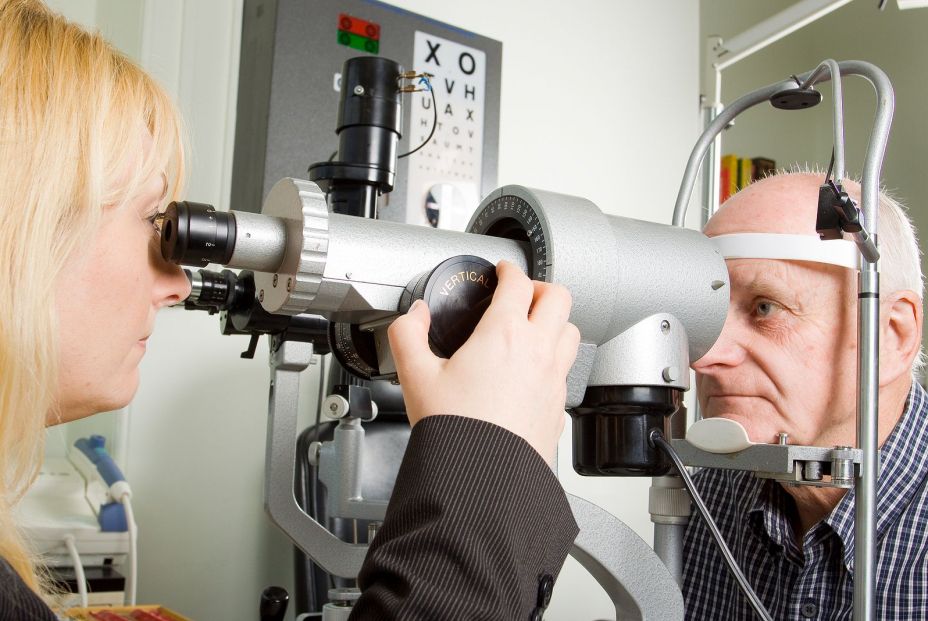
The ophthalmologist has urged Go to a specialist if vision alterations are detectedwith the aim of being able to diagnose this or other pathologies early and start timely treatment as soon as possible. At this point, he has recommended undergoing periodic reviewsespecially from 50 years old. To make a correct diagnosis of AMD, he has detailed that you must begin by visiting the doctor. retinologistwho will perform an optical coherence tomography (OCT) and OCT angio and a fundus examination with pupil dilationas well as a visual acuity test with ETDRS optotype if possible.
Regarding the available treatments, he pointed out that, currently, dry AMD has no cure. Despite this, the nutritional supplements based on antioxidants and zinc have been shown to delay progression in certain stages of the disease. Besides, Clinical trials with gene therapies and neuroprotective molecules offer promising prospects to preserve macular function.
With regards to the wet AMDthe introduction of the antiangiogenic drugs (anti-VEGF) has meant a radical change. These medications, administered through intravitreal injections, inhibit the formation of abnormal blood vessels and have allowed preserve and even improve vision in many patients. In this case, research trends are moving towards gene therapies and extended release drugs that reduce the frequency of injections, improving the quality of life of patients.
A good prevention to take care of visual health
From the Fernández-Vega Ophthalmological Institute they have pointed to risk posed by other pathologieslike the diabetic retinopathythe main cause of blindness in the working-age population; the retinitis pigmentosahereditary disease that causes progressive degeneration of photoreceptors; or the retinal detachmentan ophthalmological emergency that requires surgery to try to preserve vision.
For this reason, they have emphasized the importance of taking care of visual health through good habits preventionwhich include protect eyes from solar radiationcontrol risk factors such as diabetes and smoking, and maintain a balanced diet, in order to reduce the risk of complications.
[ad_2]
Source link