[ad_1]
A team of researchers from the group Healthy Architecture & City (HAC) of the Higher Technical School of Architecture from the University of Seville have presented in Malaga, within the Tecnosocial 2026 event, a novel technological development aimed at people with Alzheimer’s. The organization of this innovation forum, held on March 19 and 20, has recognized its proposal, titled ‘Architectural design with technologies adapted to cognitive impairment: smart mirror prototype’, with its 2026 Good Practices Award.
This contribution is the result of a decade of research by the HAC group focused on the relationship between architecture, health and memory. Specifically, this work shows in a practical way how architectural design and technology applied to housing improve the quality of life of people. people with Alzheimer’s disease. This prototype has been completed within the framework of the VIVAlz research project, financed by the Ministry of Development, Territorial Articulation and Housing of the Government of Andalusia.
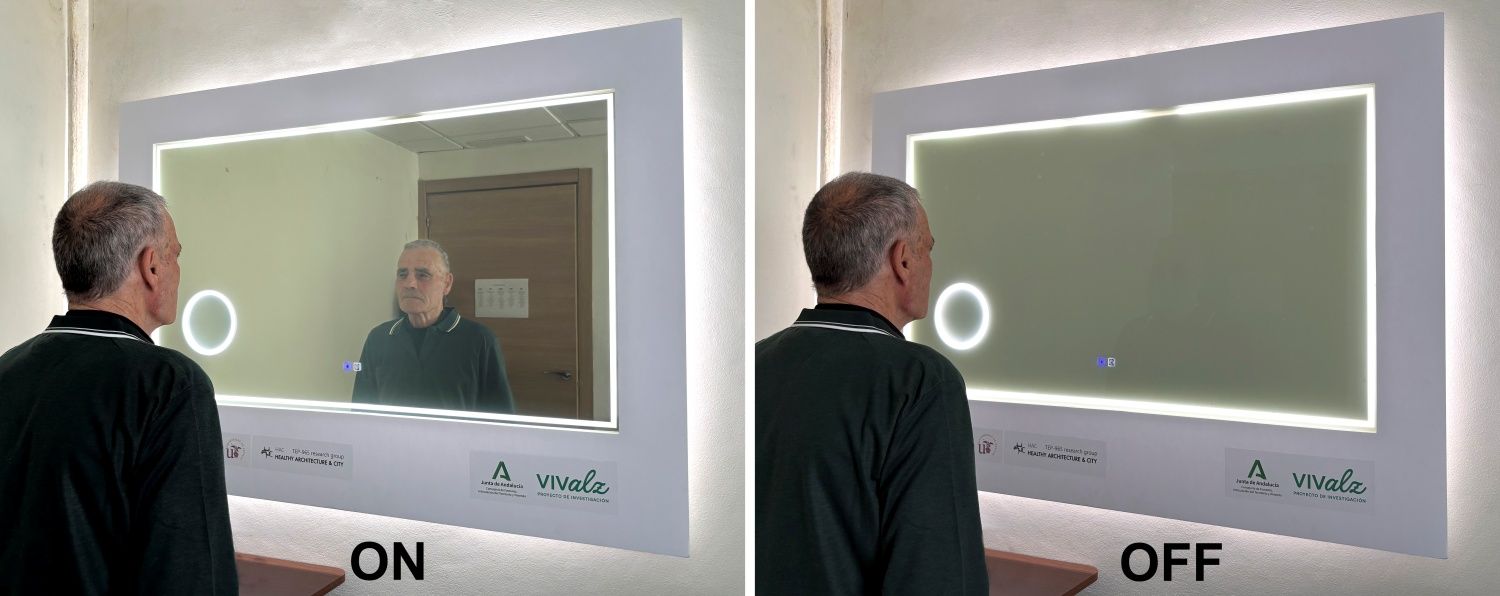
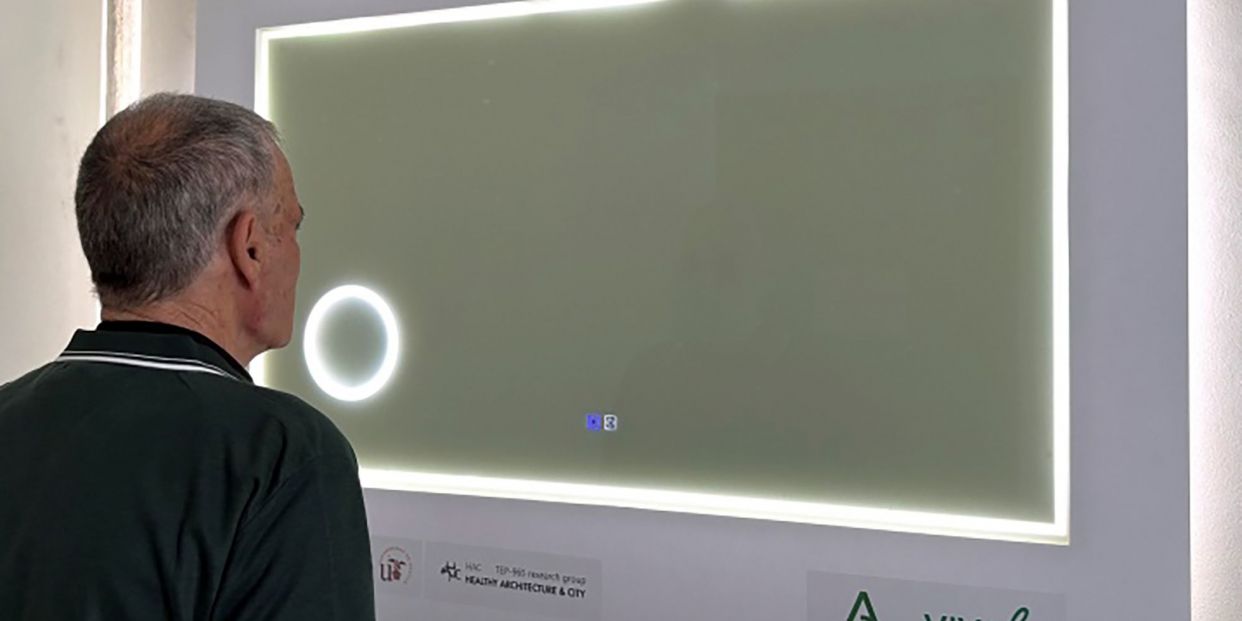
The element presented at Tecnosocial 2026 consists of a Functional prototype of smart mirror with selective reflection. It is a household object designed to prevent situations of stress, panic or rejection that can occur when a person with Alzheimer’s does not recognize themselves in their own reflection. These types of episodes, frequent in certain phases of the disease, have a direct impact on the emotional well-being of the affected person and generate a significant additional burden for family members and caregivers.
The device acts automatically and non-invasively: when it detects the presence of a user who is affected by this disease, the reflective surface automatically becomes opaque, thus avoiding reflection, without introducing additional visual stimuli and maintaining the texture and appearance of the base material. In this way, the prototype proposes a new way of understanding space as a prosthetic environment, which is capable of anticipating critical situations, responding preventively to the person’s needs.
The system has been developed through an applied research methodology that incorporates the direct participation of users with Alzheimer’s. A pilot implementation experience has been carried out in collaboration with the Association of Relatives of Alzheimer’s Patients and other dementias of Aljarafe (AFA Aljarafe), with the aim of evaluating the real impact of the device in everyday situations.
Preliminary results show a significant reduction in episodes of agitation and stress linked to the non-recognition of the person’s own reflection, as well as an improvement in the perception of safety in the environment by family members who do not have to cover mirrors or remove them. In addition, the system has a high transfer potential, since it can be applied not only on conventional mirrors, but also on other reflective surfaces such as shop windows, screens or display cases, present in homes, healthcare centers, social healthcare centers or public spaces.
[ad_2]
Source link