[ad_1]
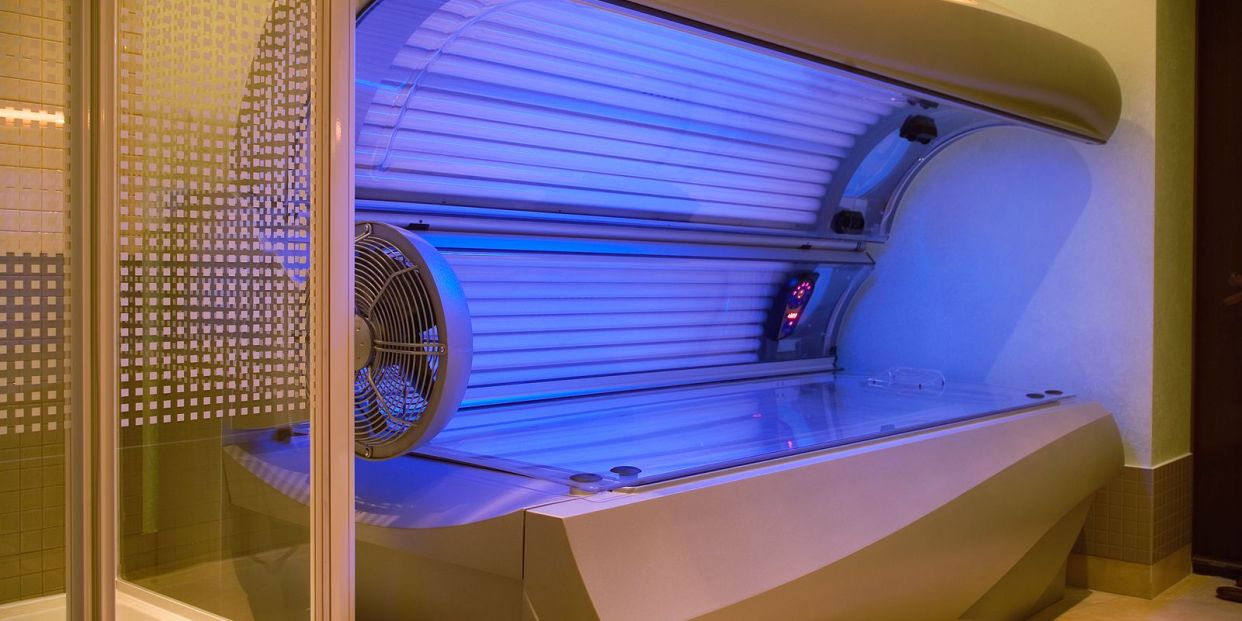
The use of UVA beds or tanning booths is linked to a nearly three-fold increase in the risk of melanoma, and for the first time, scientists have shown how these devices cause DNA damage linked to melanoma on almost the entire surface of the skin, as reported in a new study led by Northwestern Medicine and the University of California in San Francisco (United States). The findings are published in Science Advances.
Melanoma, the deadliest skin cancer, kills about 11,000 people a year in the United States. Despite decades of warnings, the precise biological mechanism underlying the cancer risk associated with tanning beds remains unclear. The industry of artificial tanwhich is resurfacing, has used this uncertainty to argue that tanning beds are no more harmful than sunlight.
This new study “irrefutably” challenges those claims by showing how UVA rays, at a molecular level, mutate skin cells far beyond the reach of ordinary sunlight, according to the authors.
“Even in normal skin from patients who tan indoors, in areas without moles, we found changes in DNA that They are precursor mutations that predispose to melanoma“reports Pedram Gerami, first author of the study and professor of skin cancer research at Northwestern University Feinberg School of Medicine. “This has never been shown before.”
Melanoma survivors with a history of tanning bed use, who donated their biopsies for this studyare available for interviews upon request. Gerami, who also directs the melanoma program in dermatology at Northwestern, has been treating patients with melanoma for 20 years.
Over the years, he observed an unusually high number of women under 50 years old with a history of multiple melanomas and suspected that the correlation factor was the use of UVA rays.
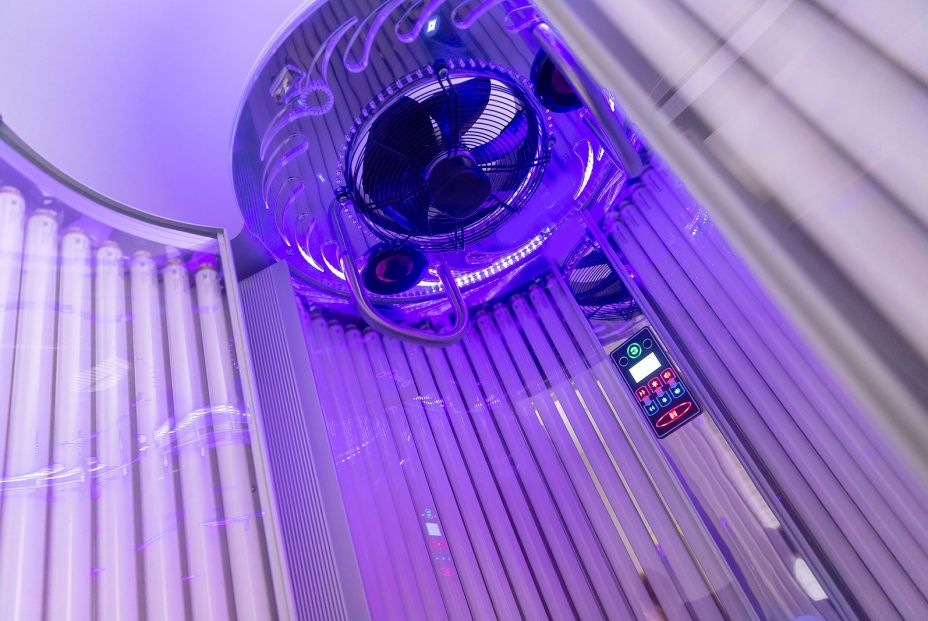
Therefore, together with his research team, he designed the epidemiological part of the study and compared the medical histories of approximately 3,000 users with those of 3,000 age-matched controls with no history of artificial tanning.
The team discovered that melanoma was diagnosed 5.1% of UVA userscompared to 2.1% of those who did not use them. After adjusting for age, sex, sunburn history, and family history, sunbed use remained associated with a 2.85-fold increase in melanoma risk.
UVA users were also more likely to develop melanoma in areas of the body protected from the sun, such as the lower back and buttocks. These findings supported the idea that solar booths can cause DNA damage. more serious than sun exposure.
To test that hypothesis, scientists used new genomic technologies to perform single-cell DNA sequencing on melanocytes (the pigment-producing skin cells where melanoma begins) from three groups of skin donors.
The first group included 11 Gerami patients with a long history of artificial tan. The second group consisted of nine patients who had never used UV-ray booths, but who were otherwise matched for age, sex, and cancer risk profile. A third group, composed of six cadaveric donors, provided additional skin tissue to complete the control samples.
The scientists sequenced 182 individual melanocytes and found that the skin cells of UVA users had almost twice as many mutations as those of control subjects and were more likely to contain mutations associated with melanoma. In those who tanned indoors, the mutations also appeared in areas of the body that usually remain protected from the sun, confirming that sunbeds generate a wider field of DNA damage.
“With outdoor sun exposure, perhaps 20% of the skin suffers the most damage“explains Gerami. “In users of x-ray cabins, we observed those same dangerous mutations on almost the entire surface of the skin.”
After analyzing the biological and clinical evidence together, Gerami affirms that the need for a policy change is evident. “At a minimum, artificial tanning should be illegal for minors. Most of my patients began tanning when they were young, vulnerable and without the same level of knowledge and education that they have as adults,” he says. “They feel wronged by the industry and regret the mistakes of their youth.”
Gerami also points out that lightning booths should carry warnings similar to those on cigarettes. “When you buy a pack of cigarettes, it says it can cause lung cancer“he insists. “We should implement a similar campaign with the use of lightning cabins. The World Health Organization has considered tanning beds to have the same level of carcinogen as tobacco and asbestos. “It’s a class one carcinogen.”
Finally, Gerami suggests that anyone who has tanned frequently in their life should have a full-body skin exam by a dermatologist and assess whether they need routine skin checks.
In addition to observing more aged skin, they have also discovered that young people who tan indoors experience genetic changes that can lead to more mutations in your skin cells than people twice your age.
“We found that sunbed users between 30 and 40 years old had even more mutations than the general population between 70 and 80 years old“Details Dr. Bishal Tandukar, a postdoctoral researcher in Dermatology at UCSF and co-lead author of the study. “In other words, the skin of tanning bed users appeared decades older on a genetic level,” he says.
Many countries effectively ban tanning beds and the World Health Organization classifies them as group 1 carcinogens, the same category as tobacco smoke and asbestosbut tanning beds are still legal and popular in the United States.
In their study, the authors analyzed the medical histories of more than 32,000 dermatology patients, including tanning bed use, history of sunburn, and family history of melanoma. They also obtained skin samples from 26 donors and sequenced 182 cells.
The young users had more skin mutations than people twice their age, especially in the lower back, an area that does not receive much damage from sunlight but is highly exposed to tanning beds.
“The skin of UVA users was riddled with cancer seeds: cells with mutations known to lead to melanoma,” reports senior author A. Hunter Shain, associate professor in the UCSF Department of Dermatology.
“We cannot reverse a mutation once it occurs, so it is essential to limit the accumulation of mutations from the beginning,” concludes Shain, whose laboratory focuses on the biology of skin cancer. “One of the easiest ways to achieve this is to avoid exposure to artificial UV radiation.”
[ad_2]
Source link