
[ad_1]
A new generation of treatments could be on the way for some of the most complex brain diseases, such as Alzheimer’s or schizophrenia. Researchers of the National Center for Scientific Research (CNRS)in Montpellier (France), have shown that nanobodies —small proteins derived from animals of the camelid family, such as camels, alpacas or llamas— could offer a more effective and safer way to act on the brain.
The work, published in the scientific journal Trends in Pharmacological Sciences (Cell Press), explains that The small size of these molecules allows them to better cross the blood-brain barrier.the natural filter that protects the brain and that limits the arrival of conventional medications.
“Camelid nanobodies open a new era of biological therapies for brain disorders and revolutionize our conception of therapeutics,” he says. Philippe Rondardco-author of the study and CNRS researcher. According to Rondard, these proteins could “constitute a new class of drugs halfway between conventional antibodies and small molecules.
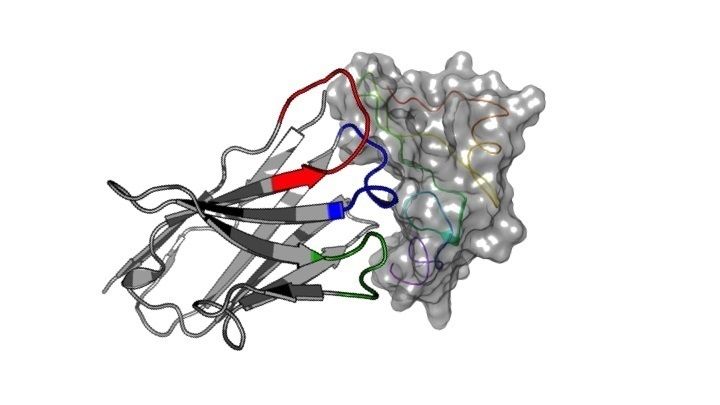
Small proteins with great potential
The nanobodies They were discovered in the 1990s by Belgian scientists studying the immune system of camelids. Unlike human antibodies, which are composed of four chains, camelids produce simpler antibodiesformed only by heavy chains.
The active fragment of these antibodies—called nanobody– is ten times smaller than a traditional antibodywhich makes it an ideal candidate to access the brain and act precisely on the affected neurons.
Until now, antibody-based treatments have been shown to be effective against cancer or some autoimmune diseases, but not so much in neurological disorderswhere drugs often have difficulty reaching their target or cause significant side effects.
“These are small, highly soluble proteins that can enter the brain passively,” he explains. Pierre-André Lafonalso a CNRS researcher and co-author of the work. In contrast, “small molecule drugs designed to cross the blood-brain barrier are hydrophobic, which limits their bioavailability and increases the risk of unwanted effects.”

Promising advances, but still far from the patient
Researchers have already proven that certain nanobodies are capable of reverse behavioral deficits in mouse models of schizophrenia or other brain diseases. However, they warn that there is still a way to go before they can be applied to humans.
It will be necessary to evaluate your long term securityhis stability and his permanence in the brain, as well as developing stable formulations that maintain their activity during storage and transportation.
“Our laboratory has already begun to study these different parameters for some nanobodies that penetrate the brain and has recently shown that treatment conditions are compatible with chronic treatment“says Lafon.
[ad_2]
Source link