
[ad_1]
Low back pain is a prevalent condition associated with disability, job loss, and financial burden for healthcare. Important risk factors include lack of sleep, physical and psychological stress, inactivity, older age, and smoking.. The contribution of higher weight and body mass index (BMI) to the risk of low back pain is less clear. Many previous clinical studies have been small (less than 1,000 patients) or in specific patient groups, such as young men or patients presenting to a pain clinic, making the results more specific to these populations.
A new study from the Chobanian and Avedisian School of Medicine at Boston University (United States) has shown that people who are overweight or obese have a significantly increased risk of developing low back pain compared to those with a normal BMI.
Low back pain is one of the most common pathologies in medical consultations. While medications, physical therapy, and other treatments can help, correcting risk factors, such as smoking or lack of physical fitness, also helps treat low back pain.
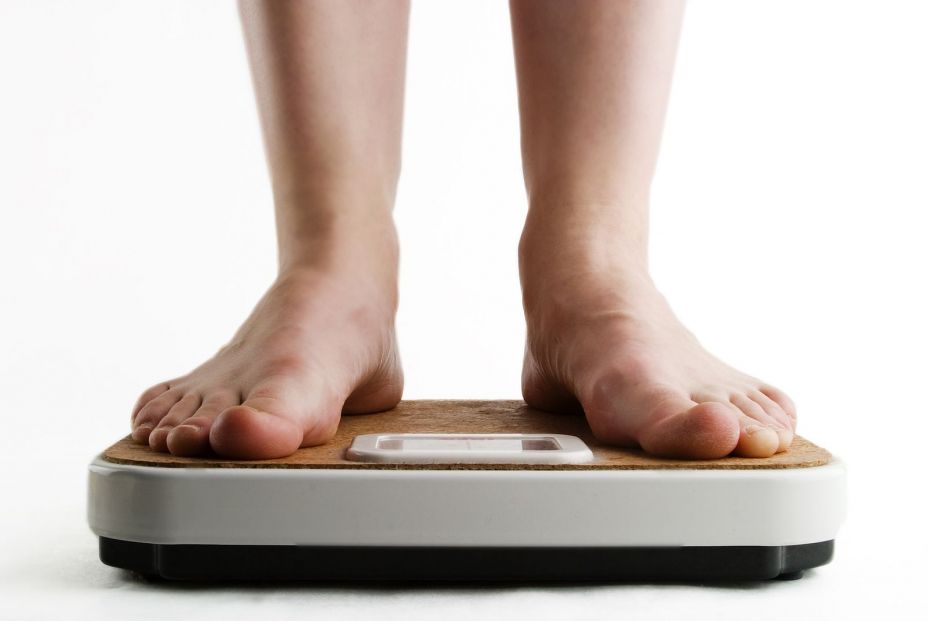
The new study, published online in the journal Pain Medicinesuggests that controlling weight and maintaining a low BMI, within a healthy range, may also be beneficial for low back pain symptomsnotes the author of the work, Dr. Michael D. Perloff, associate professor of neurology at the school.
Using computer analysis, the researchers reviewed the medical records of more than 110,000 patientsover 18 years of age, who had attended an urban university hospital to receive outpatient care for one year. Demographic data of the patients were recorded, such as age, sex at birth, height, weight, BMI and whether they had complained of low back pain at the consultation.
The researchers found that the prevalence of patients reporting low back pain increased with weight, from a low healthy weight or BMI of 18 (or 40 kg) to an obese weight of 35 (or 109 kg). For BMIs greater than 35, the prevalence of low back pain did not continue to increase, but rather remained stable. For the BMI range of 18 to 35, the researchers found that for every unit of BMI increased (or 4.5 kg), the prevalence of low back pain increased by 7%.
While not everyone with a high BMI will experience back pain, researchers have documented an increased risk of it. “Our study strongly suggests that maintaining a healthy weight or BMI likely helps prevent low back pain,” adds Perloff, who is also director of pain medicine at Boston Medical Center.
[ad_2]
Source link