[ad_1]
Daily exposure to heavy metals -toxic substances present in industrial fumes, contaminated soils or certain work environments- such as lead, arsenic or chromiumis associated with increased damage to human DNA, even at levels considered common.
This is demonstrated by an international study in which Amaya Azqueta, researcher at the BIOMA Institute of the University of Navarra and professor at the Faculty of Pharmacy and Nutrition, has participated, which confirms that These exposures can cause genetic damage even in work and environmental contexts.
The work, published in the journal Mutation Research Reviews, is a meta-analysis that reviews 66 studies carried out over the last 25 years and focuses on the evaluation of genetic damage using the comet assay, a sensitive technique for detect breaks in DNA at the cellular level and in which Azqueta is an expert. The results indicate that people exposed to these metals present higher levels of damage to their genetic material than those not exposed, the University of Navarra explains in a press release.
The metals analyzed in this study (lead, arsenic and chromium) are already classified by the International Cancer Research Center (IARC) as carcinogenic or probably carcinogenic. However, the objective of this work is not to reevaluate its danger, but to analyze whether actual exposure in humans is associated with early DNA lesions, which could be relevant to long-term health.
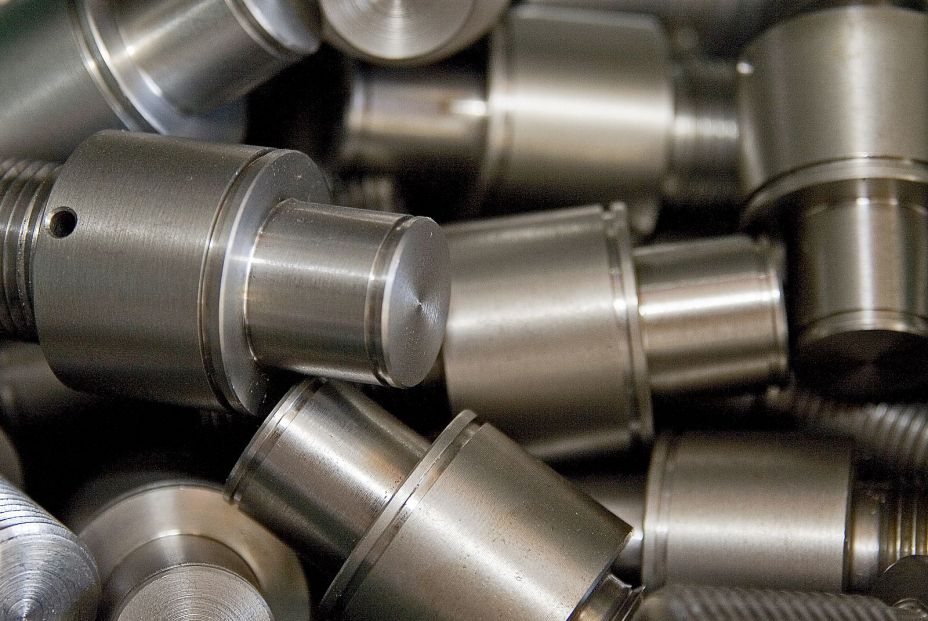
“Millions of people are in contact with heavy metals, some perhaps without knowing it. Workers in welding, foundries, battery recycling, mining or manufacturing, as well as populations living near landfills, industries or contaminated soils, They can continually inhale or ingest these metals.“, explains Azqueta. “Although acute poisonings are well known, this study focuses on the subtle but persistent effects of prolonged exposures at lower doses, which, as has been seen, affect the DNA of exposed people, potentially being the basis of the carcinogenic effects of these metals,” he points out.
This review showed that people exposed to arsenic and, especially, lead and chromium-rich welding fumes, had higher levels of DNA strand breaks in leukocytes.
Greater impact in middle income countries
The study highlights the value of the comet assay as human biomonitoring toolcapable of detecting DNA lesions before diseases appear. “This type of damage does not necessarily imply an immediate effect, but it may reflect a cumulative alteration of the genetic material that, if exposure is maintained over time, could contribute to the development of diseases, including cancer,” says the researcher.
The impact of genetic damage is higher in middle-income countries – including Argentina, Bangladesh, Brazil, China, Colombia, India, Iran, Mexico, Pakistan and Türkiye– where exposure levels could be higher and occupational and environmental protection measures more limited. “These results could reflect inequality in regulation, surveillance, prevention and awareness,” says Azqueta.
Overall, the work does not establish a direct relationship with the appearance of cancerbut provides evidence that continued exposure to these metals is associated with DNA damagea biological process that can increase vulnerability to different diseases, including cancer, in the long term. For this reason, the authors highlight the importance of “strengthening health surveillance, improving working conditions and limiting the release of these metals into the environment.”
[ad_2]
Source link