[ad_1]
The Plenary Session of the Interterritorial Council of the National Health System has approved the Update of the consensus document on prevention of frailty and falls in the elderly (2026)with the aim of reinforcing prevention, early detection and intervention strategies in the elderly population. The document integrates the most recent scientific evidence and consolidates a joint approach model for frailty and falls, two of the main factors associated with the loss of autonomy and increased dependency in older people.
The update incorporates data that shows the growing impact of these problems in the context of population aging: frailty affects approximately 18% of older people, increasing significantly with age until reaching between 18% and 38% in people over 85 years of age, and is more common in women. Likewise, it represents an estimated cost of 2,500 euros per year per person, twice as much as in a population without frailty.
For its part, falls constitute a major public health problem. Around 30% of people over 65 years of age suffer at least one fall a year and between 5% and 10% of these cause fractures. In Spain, they are the first cause of death from external causes, with more than 3,000 deaths annually in this age group.
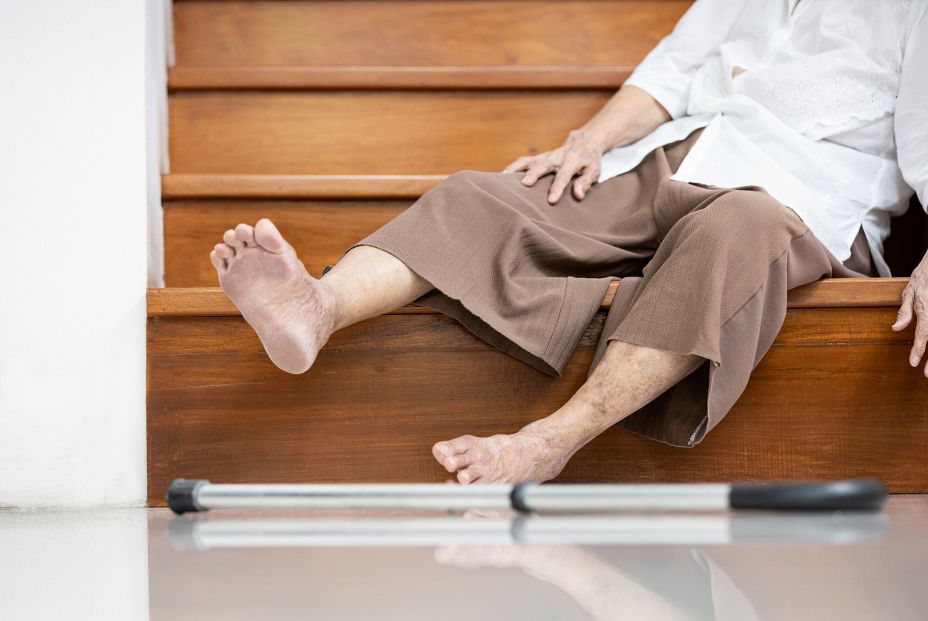
Besides, About 40% of people who suffer a hip fracture does not recover its previous functional level, which increases the need for care and the use of health and social services.
The new document introduces relevant advances to improve the prevention and management of frailty and falls:
Firstly, a joint approach to both problems is established, recognizing their interrelation and their impact on the loss of functional capacity. Likewise, early detection is reinforced through the active recruitment of people aged 70 or over from Primary Care and the community level, including social health centers, pharmacies and social services.
The model incorporates a stratification in four levels of risk (low, medium, high and very high), which allows the interventions and monitoring to be adapted to the needs of each person.
The interventions are based on a multidomain and individualized approach that includes multicomponent physical exercise, nutritional recommendations, medication review and risk review at home, within the framework of the Comprehensive Geriatric Assessment.
Finally, coordination between care levels and sectors is reinforced, promoting integrated and person-centered care.
The implementation of this update is part of the Primary and Community Care Action Plan 2025-2027with the objective that at least 50% of the autonomous communities and cities have incorporated the program by 2027.
The Ministry of Health will carry out periodic evaluationsat least every two years, to analyze the degree of implementation and its impact on improving the health and autonomy of older people.
With this update, the Ministry of Health reinforces its commitment to promotion of healthy aging and disability preventionthrough evidence-based interventions, coordinated between the different levels of care and focused on people’s needs.
[ad_2]
Source link