[ad_1]
The iResearchers from the Francisco de Vitoria Universitydoctors Juan Pablo Romero and Aída Arroyo-Ferrer, have coordinated a clinical trial that has shown that training the brain from home relieves the motor symptoms of Parkinson’sas published in the specialized magazine NeuroRehabilitation.
“We designed a protocol focused on the cognitive functions most related to movement control, such as attention and mental speed“explained Arroyo-Ferrer, in relation to the self-administered digital cognitive stimulation program prepared by this academic center. This achieved a significant reduction in this symptomatology in people in mild or moderate phases of the disease.
The same, that affects more than 10 million people in the worldrepresents a daily challenge for those who suffer from it and their families. Beyond tremors and muscle rigidity, the progressive loss of mobility, slowness of movement, balance problems and deterioration in attention directly impact autonomy and quality of life.
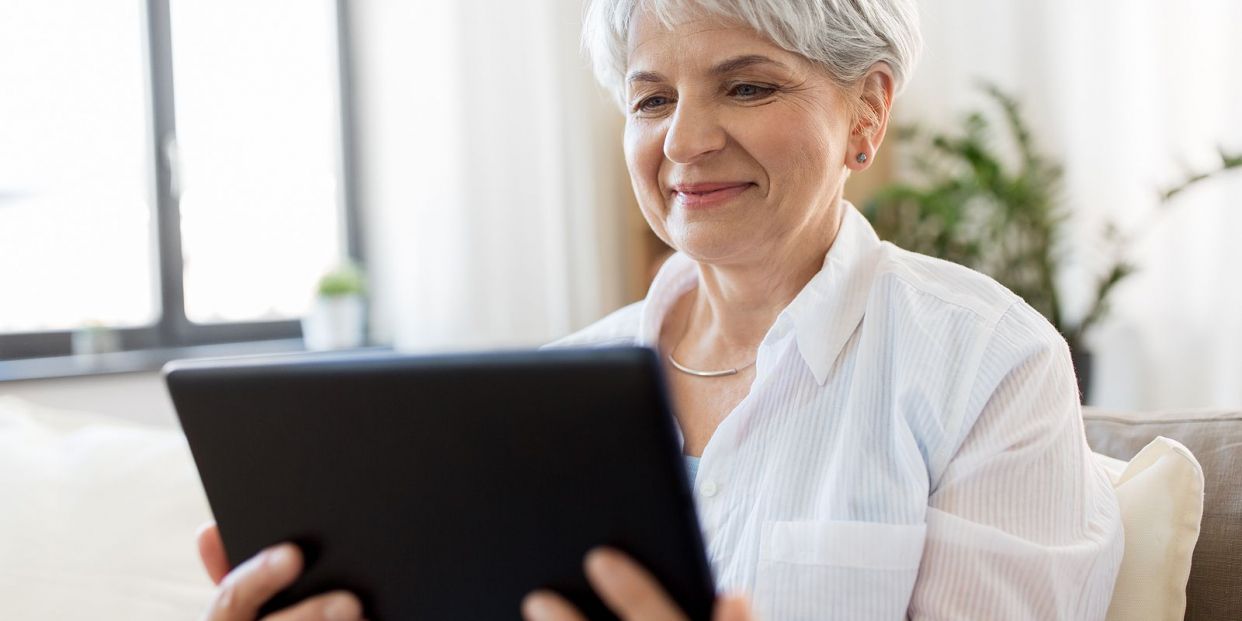
Given this, this work, which has had the participation of 39 patients with this pathology, but without cognitive impairment, has consisted of cognitive training, for a month and at home, through NeuronUPa digital neuropsychological stimulation platform that offers interactive exercises designed to improve functions such as sustained attention and mental processing speed.
However, only half of this group of people has been subjected to it, while the remaining 50 percent have not received cognitive rehabilitation. Each participant in the experimental group has completed 30-minute sessions, three times a week, without the need for in-person assistance.
Accessible for older people or people with reduced mobility
“The great advantage is that it can be done from home, without physical or logistical barriers.which makes it especially accessible for older people or people with reduced mobility,” Arroyo-Ferrer insisted, while Romero declared that “the most relevant finding was verifying that, without additional physical activity, patients who trained their minds managed to improve the fluidity of their movements.”
In his opinion, this suggests that, By stimulating certain cognitive functions, neural circuits involved in motor execution are also activated. “It does not mean that physical exercise is no longer important, but that it can be complemented with specific cognitive interventions to enhance its effects,” he clarified.
This platform, which automatically adapts the difficulty of the exercises Depending on the user’s performance, while the research team remotely monitors progress, it has resulted in a significant improvement in mobility, especially in bradykinesia, one of the most characteristic symptoms, which manifests itself as slowness and difficulty in initiating movements.
For all these reasons, the Francisco de Vitoria University considers that NeuronUP can be incorporated into broader therapeutic programsalong with Physiotherapy, physical exercise, medication and psychological support. These types of interventions do not replace conventional treatments, but they can reinforce them by stimulating cognitive functions that directly influence mobility and autonomy.
“Training the mind can also have effects on the body” and “remote rehabilitation technology can be a great ally against chronic diseases such as Parkinson’s,” stressed Romero, who concluded by highlighting that “the next step will be to expand the sample and explore combinations of physical and cognitive rehabilitation.”
[ad_2]
Source link