[ad_1]
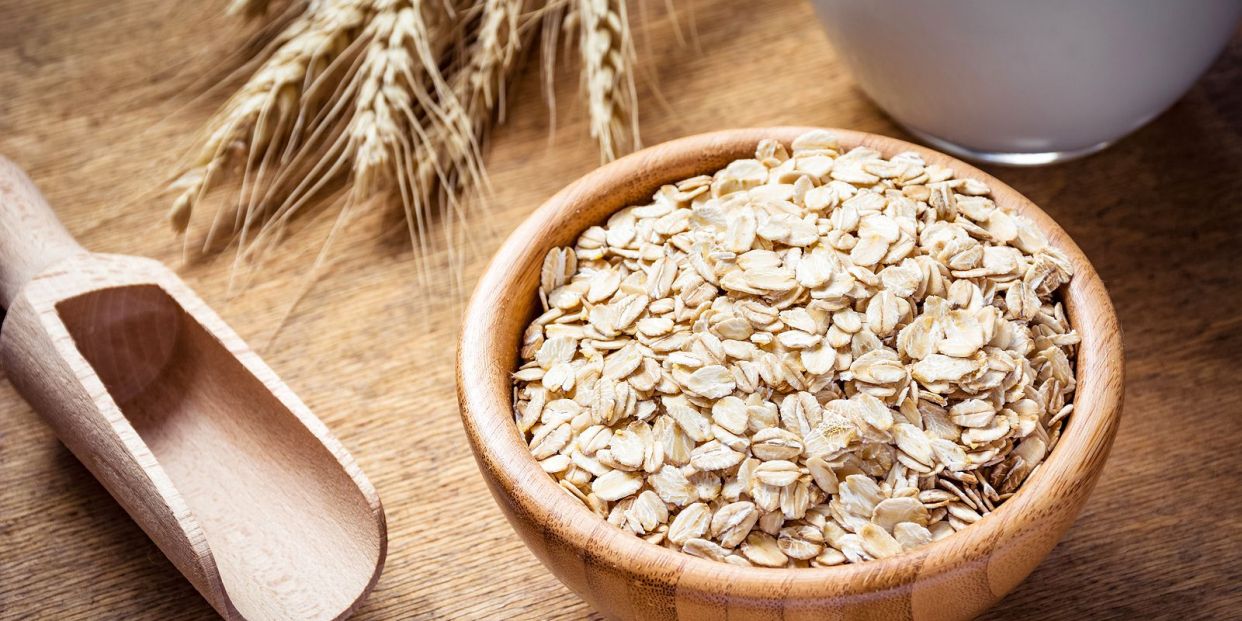
A short-term oat-based diet seems to be surprisingly effective for reduce cholesterol levelaccording to an essay by the University of Bonn (Germany), published in the magazine Nature Communications.
The participants in this study suffered metabolic syndromea combination of high body weight, high blood pressure and high blood glucose and lipid levels. They consumed a low-calorie diet, composed almost exclusively of oats, for two days. Their cholesterol levels improved significantly compared to the control group and even after six weeks, this effect remained stable.
Diet apparently played a role in the composition of intestinal microorganisms and metabolic products produced by the microbiome appear to contribute significantly to the positive effects of oats.
That oats have a beneficial effect on metabolism is not new. The German doctor Carl von Noorden treated patients with diabetes with this cereal already at the beginning of the 20th century, with notable success. “Today there are effective medications to treat patients with diabetes – justifies Marie-Christine Simon, associate professor at the Institute of Nutrition and Food Sciences at the University of Bonn – and therefore, this method has been practically ignored in recent decades.”
Although the test subjects in the current trial were not diabetic, they suffered from metabolic syndrome associated with an increased risk of diabetes. Features include overweight, high blood pressure, high blood sugar levels and lipid metabolism disorders. “We wanted to know how a special oat-based diet affects patients,” explains Simon.
300 grams of oats a day
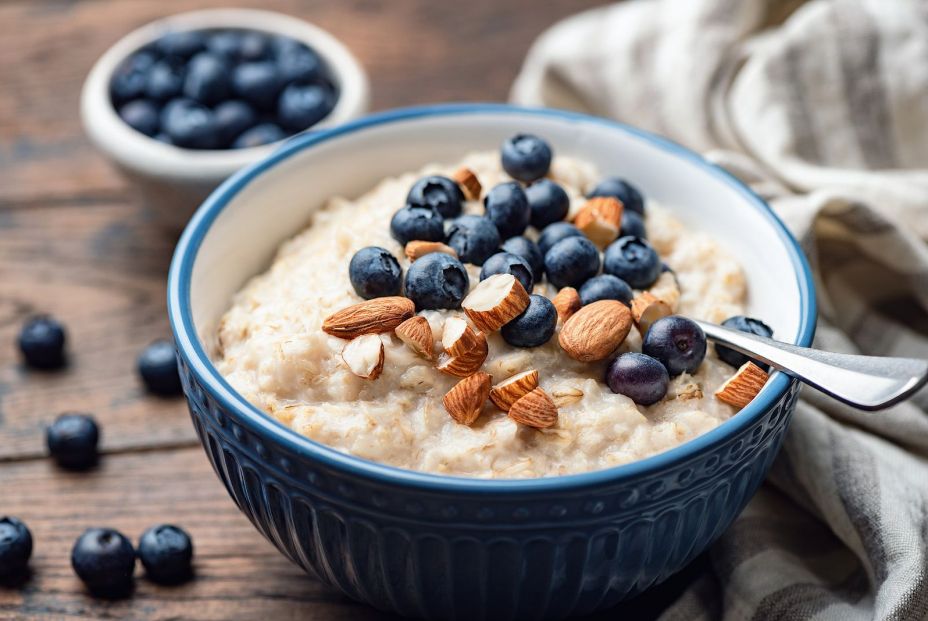
The participants were asked that they exclusively consumed oatspreviously boiled in water, three times a day. They were only allowed to add fruit or vegetables to their meals. A total of 32 women and men completed this diet. They ate 300 grams of oats each of the two days and they only consumed about half their usual calories. A control group also followed a low-calorie diet, although this did not include oats.
Both groups benefited from the diet change. However, the effect was much more pronounced in participants who followed the oat-based diet. “LDL cholesterol levelespecially harmful, was reduced by 10% in them; This is a substantial reduction, although not entirely comparable to the effect of modern medications -Simon emphasizes-. “They also lost two kilos of weight on average and their blood pressure dropped slightly.”
“We were able to identify that oat consumption increased the amount of certain intestinal bacteria,” explains Linda Klümpen, Simon’s colleague and lead author of the trial. The microbiome has been the subject of increasing attention in recent decades. It is now known that Intestinal bacteria play a decisive role in food metabolism and release metabolic byproducts that they generate in their environment. They provide, among other things, energy to intestinal cells, which allows them to perform their functions better.
In addition, microbes distribute some of their products throughout the body through the bloodstream, where they can have various effects. “For example, we were able to show that intestinal bacteria produce phenolic compounds when breaking down oats – Klümpen highlights -. It has already been shown in animal studies that one of them, the ferulic acidhas a positive effect on cholesterol metabolism. This also appears to occur with some of the other bacterial metabolic products.” At the same time, other microorganisms “remove” the amino acid histidine, otherwise the organism converts it into a suspected molecule. promote insulin resistance.
Better a lot of oats in two days than a little in six weeks
The positive effects of the oat-based diet tended to still be evident six weeks later. “A short-term oat-based diet, at regular intervals, could be a well-tolerated form of maintain cholesterol level within normal range and prevent diabetes“says Simon.
However, in the current study, the cereal exerted its effect mainly in high concentration and in combination with a calorie reduction: a six-week diet, in which the participants They consumed 80 grams of oats a daywithout other restrictions, achieved mild effects. “As a next step, it can now be clarified whether an intensive oat-based diet repeated every six weeks really has a permanent preventive effect,” he concludes.
[ad_2]
Source link