[ad_1]
Viral gastroenteritis, like cold or fluis a recurrent pathology among the population during the winter season, much more common in children under five years of age and elderly people who are at greater risk of suffering from it. To combat it, It is recommended not to fast or follow an astringent diet, nor drink soft drinks or isotonic drinks..
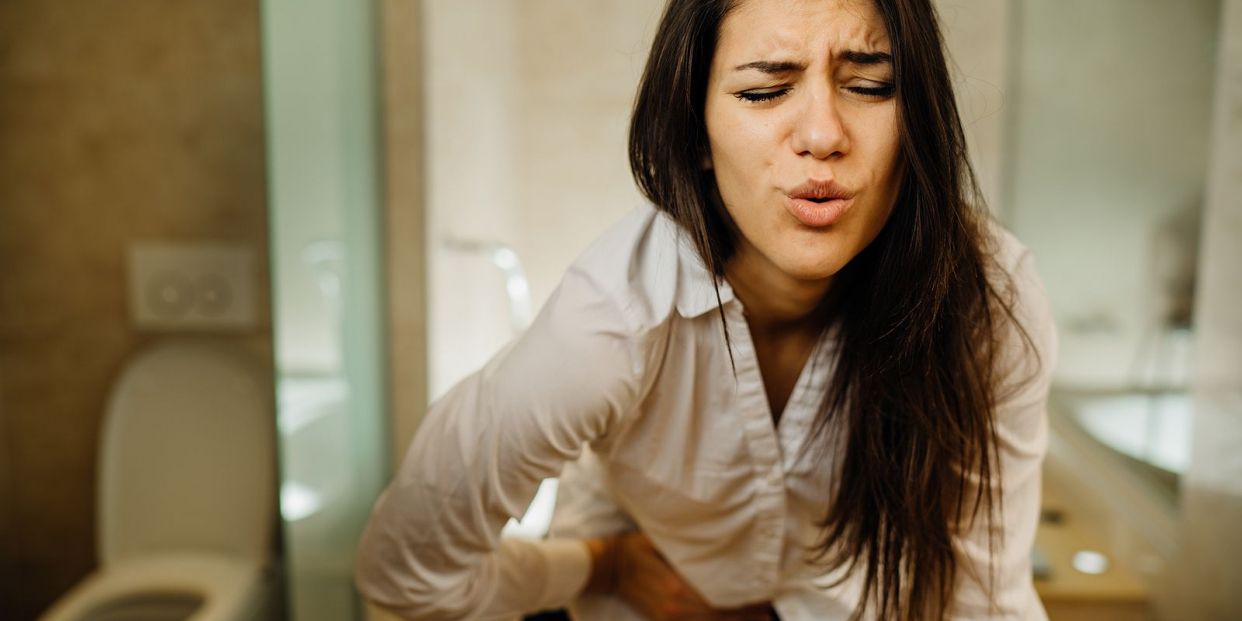
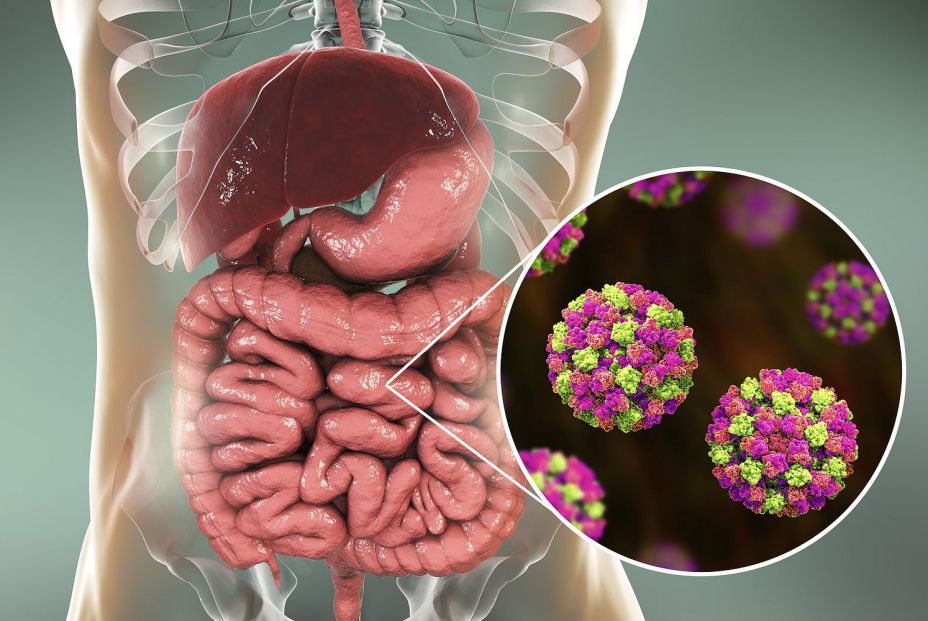
This is indicated by Julio Maset, a Cinfa doctor, who explains that gastroenteritis “It is an inflammation of the stomach, caused by certain viruseswhich alters the intestine’s ability to regulate the absorption and secretion of salts and water. This results in symptoms such as diarrhea, vomiting, fever usually low and abdominal pain.
“But the most worrying thing is that the inability to tolerate food and/or liquids for several days causes dehydrationwhich can be serious in children and elderly people -he highlights-. We can easily recognize it by signs like dry mouth, crying without tears, sunken eyes and less urine“.
an infected person -in whose stools and vomits the virus is present- You can infect another person even before symptoms appear and until a few days after you have recovered..
In the case of concrete norovirusone of the most common microorganisms that cause gastroenteritis, spread can occur by ingesting contaminated food or liquids, sharing food or cutlery with a sick person, or touching contaminated surfaces or objects and then putting your hands in your mouth.
“Therefore, It is crucial to take extreme hygiene measuressuch as frequently washing hands with soap and water or, after an episode of diarrhea and vomiting, disinfecting all surfaces that may have been contaminated,” recalls Dr. Maset.
Symptoms of gastroenteritis They usually last one to three days and then the condition usually disappears on its own with adequate hydration, but, during the period in which all these discomforts are suffered, the body is practically unable to tolerate any food.
“That’s why, The goal of treatment is to prevent dehydration trying to replace the salts and minerals lost in diarrhea and vomiting by ingesting liquids with a composition specifically designed for this,” he explains.
Thus, it indicates that we can resort to oral rehydration serums with glucose and sodium for sale in pharmacies, “but not soft drinks or isotonic sports drinksbecause its composition is different and it is designed to replace losses due to sweating, which is different,” he emphasizes.
To improve its assimilation and avoid vomiting, Liquids should be taken slowly every fifteen to thirty minutes and in small sips.. In the case of small children, it is important not to force them to drink and give them liquid only when they are thirsty and in small quantities, using, for example, a spoon. Breastfeeding should not be interrupted in infants and the pediatrician should be consulted.
Regarding nutrition, contrary to popular belief, fasting is not necessary nor is an astringent diet essential. According to the expert, “It is best to eat soft foods from your usual diet. and avoid, as with liquids, those that contain excess sugars or fats.
In some cases, the doctor may recommend the use of analgesics to alleviate symptoms such as pain and/or fever and antiemetics to improve nausea and vomiting. “Antidiarrheals do not help and that antibiotics are not effective in the case of viral infections and can also aggravate diarrhea,” Maset recalls.
Thus, the expert summarizes in these 10 keys to combat gastroenteritis:
1.- Hydrate yourself a lot, but little by little. During the most acute episodes of the illness, be sure to replenish fluids and you go out drinking a lot of liquid – water or oral rehydration solutions – but in small quantities and every fifteen to thirty minutes, since drinking too much at once can cause new vomiting.
2.- Start your usual diet as soon as possible. Eat as soon as you feel hungry. Eat soft foods from your usual diet that you find palatable and, as you feel better, increase the amount you eat. The only foods that are not recommended are those that contain too much fat or sugar.
3.- Wash your hands often. Do it carefully with warm water and soap or, failing that, with hydroalcoholic gel, for at least fifteen seconds.
4.- Handle and preserve food well. Any food that is handled improperly can become contaminated with norovirus. Therefore, wash and rinse leafy green vegetables such as lettuce or spinach, fresh fruits, and live shellfish well.
5.- Maximum cleanliness in the kitchen. Carefully clean cutlery, kitchen utensils and surfaces, especially after an episode of vomiting or diarrhea.
6.- Do not take antibiotics. In the case of viral gastroenteritis, that is, caused by viruses and not bacteria, antibiotics are completely useless. There is no specific medication for this condition, except oral rehydration. In cases of fever, antipyretics can be used.
7.- Antidiarrheals do not help. These types of medications should not be given, even to minors, without first talking to the doctor, as they can cause the infection to last longer. For people who take diuretics and develop diarrhea, their doctor may recommend stopping their use during an acute episode.
8.- Consider the use of probiotics. Your doctor or pharmacist may recommend probiotics to help repopulate your intestinal flora.
9.- Dehydration, under control. It is the main complication of gastroenteritis, so it is important to recognize its symptoms – dry and wrinkled skin; irritability or confusion; dizziness or lightheadedness; rapid heartbeat and breathing, among others- and go to the doctor regarding them. Additionally, the risk of dehydration is greater in babies and young children.
10.- Consult your doctor if the process does not subside. The symptoms associated with gastroenteritis usually disappear on their own after one to three days, although they can last up to fifteen. If after that time you continue to have discomfort, go to your primary specialist. Also consult your doctor before stopping taking any medication prescribed before you became infected.
[ad_2]
Source link