[ad_1]
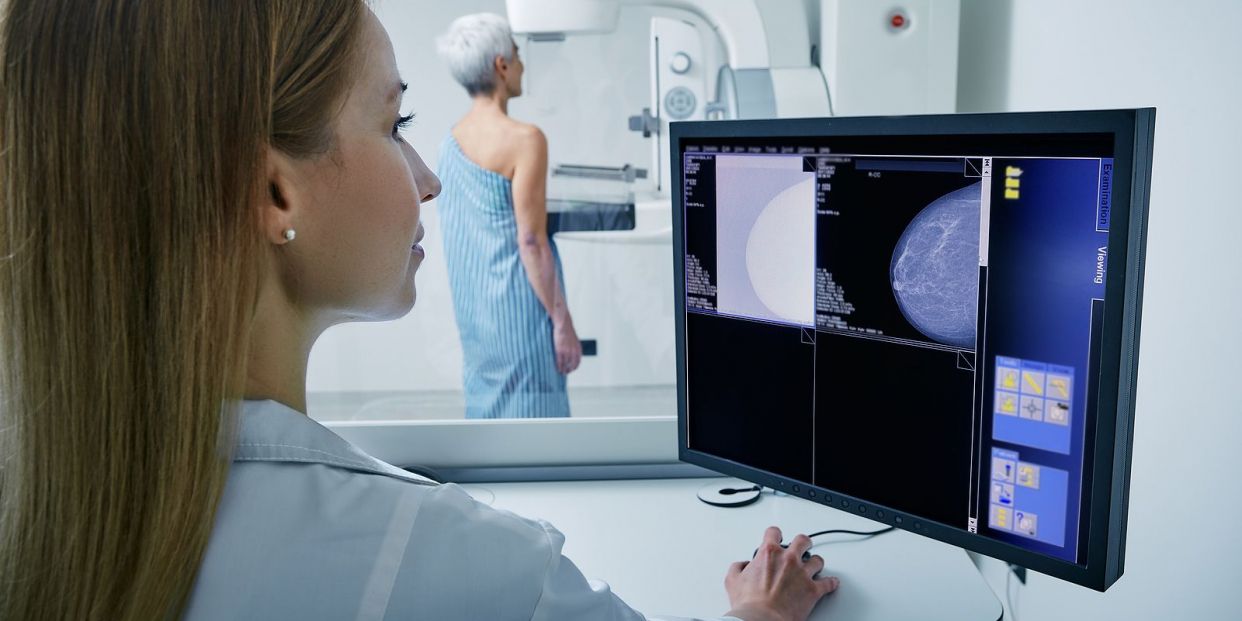
In the last three years, the Community of Madrid has experienced a significant reinforcement in its diagnostic capacityreflected in an increase in the volume of tests performed, as well as a notable reduction in waiting times for patients. According to data from the Results Observatory of the Madrid Health Service (Sermas), in 2024 more than 1.4 million advanced imaging diagnostic tests were performed in Madrid hospitals, highlighting the growth in CT scans (Computerized Axial Tomography) and MRIs, with increases of 7.4% and 20.4%, respectively, compared to 2022.
In 2024, Madrid hospitals carried out 831,052 CT scans and 590,418 MRI scans. These increases reflect an efficient response to the growing demands of citizens and the technological advances implemented in the Madrid health system.
The increase in diagnostic activity has not only allowed for more testing, but has also had a direct impact on the reduction of waiting times for diagnostic tests. In December 2024, the average delay for diagnostic tests was 63.8 days, which represents a decrease of 10 days compared to the previous year, and more than a month less than in 2022. A significantly lower average delay in the case of CT scans, which stood at 47.39 days and in that of MRIs, which reached 48.07 days. This decrease in waiting times is a palpable example of the efficiency achieved in the region’s health system, favoring accessibility for patients and improving the health experience in general.
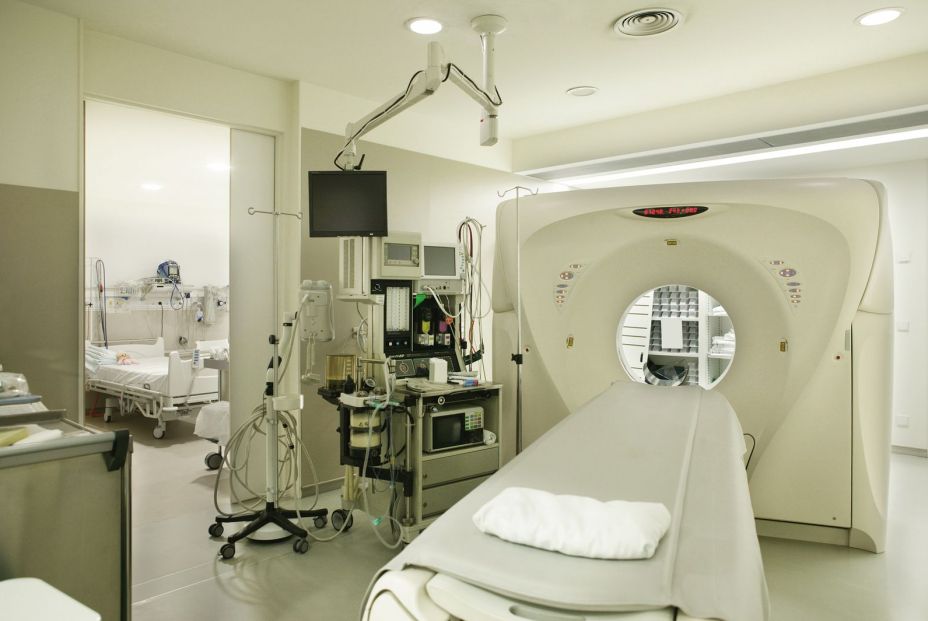
The high complexity hospitals of the Community of Madrid have played an essential role in this increase in diagnostic activity. In 2024, these eight hospitals performed more than 760,000 advanced imaging tests, with a significant growth of 11.4% in CT scans and 22.3% in MRIs compared to 2022. Data that reflects not only the capacity of these hospitals to handle a greater volume of tests, but also their efficiency in resource management and the implementation of advanced technologies.
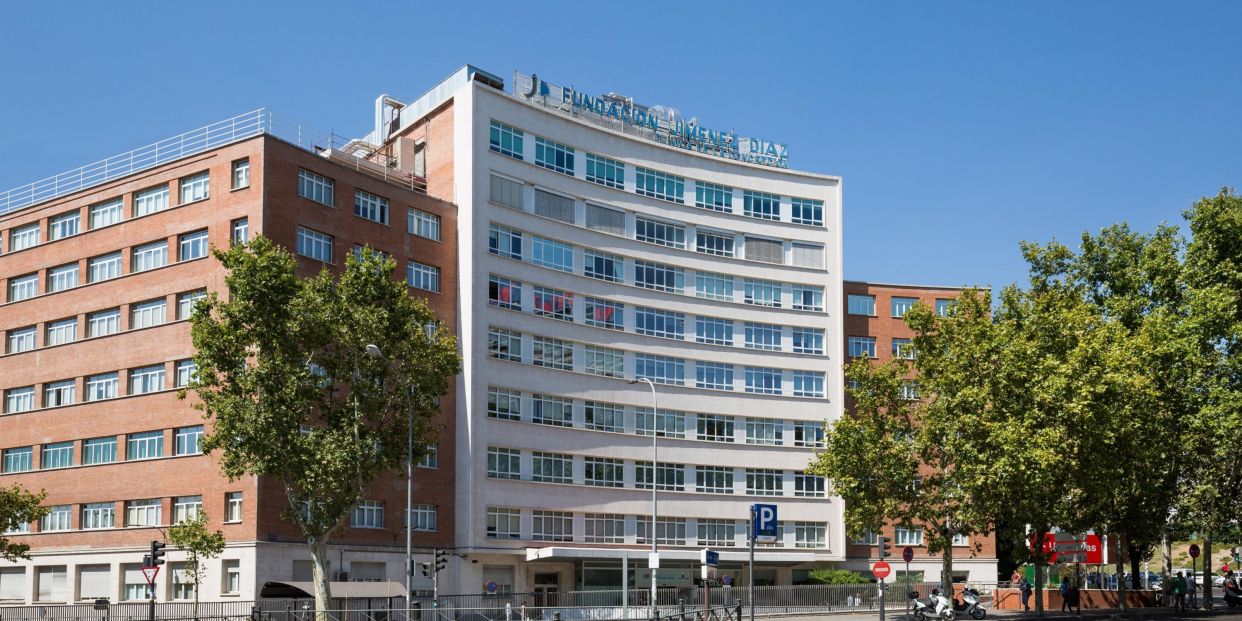
They especially highlight the Jiménez Díaz Foundation and the San Carlos Clinicwhich have achieved the greatest increases in MRIs and CAT scans, with growth of 37.3% and 41.5%, respectively. Additionally, these hospitals have distinguished themselves for their ability to reduce waiting times, with the Jiménez Díaz Foundation reaching the lowest figure in the region, with an average wait of only 11.9 days.
The increased diagnostic activity has had a direct impact on waiting lists, especially in high-complexity hospitals. In 2024, the average delay for MRIs was reduced to 63.8 dayswhile that of the TACs fell to 41.5 days. The Jiménez Díaz Foundation, Puerta de Hierro and Clínico San Carlos were the hospitals that recorded the lowest waiting times, with a reduction of more than 30% compared to 2022.
[ad_2]
Source link