[ad_1]
A study led by the Institute of Materials Science of Madrid (ICMM-CSIC) has tested a new system in cells nanoparticles which combines, for the first time, a common chemotherapy drug (doxorubicin) with the application of two different forms of local heat – by near-infrared radiation and a magnetic field to enhance its action, obtaining good results ‘in vitro’.
The method allows a controlled release of the drug and the reduction of toxicity associated with doxorubicin chemotherapy. This new approach, selected as the cover in the magazine ‘Advanced NanoBiomed Research‘, opens a therapeutic avenue even in initial but promising phase.
The study shows that the use of therapies against cancer that combine two types of hyperthermia (heat-based treatments) with chemotherapy administered ‘in situ’, allow drug doses to be reduced. The work has been carried out in ‘in vitro’ models of breast cancer tumor cellsalthough they could be extended to any type of tumor and are replicable on a larger scale.
This treatment is called trimodal because combines three simultaneous actions against cancer: magnetic nanoparticles (thousands of times smaller than the thickness of a hair) to which doxorubicin (one of the most used drugs in chemotherapy) has been incorporated; a magnetic field that produces heat (magnetic hyperthermia) and, finally, near-infrared radiation, which also generates heat (photothermal therapy).
Furthermore, “the nanoparticles release the drug just when they receive heat, which is known as localized chemotherapy under clinically safe conditions,” as he explains. Ana EspinosaCSIC researcher at the Madrid Institute of Materials Science (ICMM-CSIC) and leader of the study.
“By activating pH-sensitive drug release and synergistic heating within cancer cells, these nanoparticles achieve powerful destruction of tumor cells while minimizing systemic toxicity,” Espinosa clarifies.
This research is the result of a collaboration between the Institute of Materials Science of Madrid (ICMM-CSIC), the IMDEA Nanoscience Institute, the Curie Institute (France) and the Institute of Ceramics and Glass (ICV-CSIC).
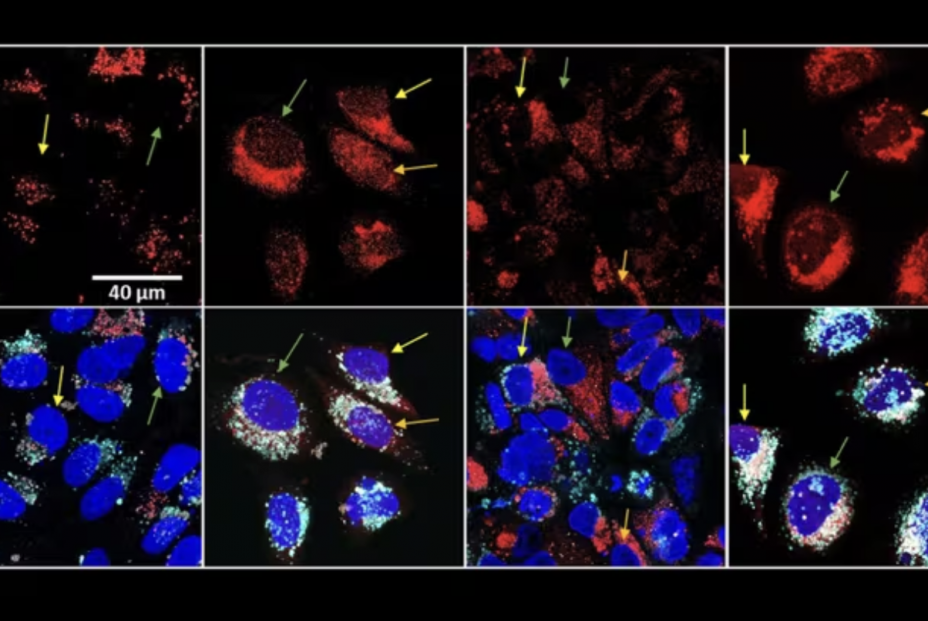
The study focuses on demonstrating the potential of the treatment
The use of each technique separately does not allow us to safely reach the temperature required to eliminate tumor cells. But by combining the two thermal treatments it is achieved and, in addition, “the dose of the drug, the intensity of the laser and the intensity of the magnetic field can be reduced, so the treatment is less aggressive,” the expert highlights.
The cancer cells are especially sensitive to heat, As Ana Espinosa highlights, this treatment is like ‘a heat trap’ to kill tumor cells. “We seek to produce a therapeutic effect that allows us to simultaneously reduce toxic doses for healthy tissues,” says the researcher.
The study, which focused mainly on demonstrating the potential of trimodal treatment, was carried out with magnetic iron oxide nanoparticles, which degrade naturally, can be assimilated by the body, and because at these doses they do not produce toxicity. “We have achieved cell death that reaches up to 70% after 72 hours, which represents a significant increase in effectiveness compared to individual treatments,” explains Espinosa.
[ad_2]
Source link