[ad_1]
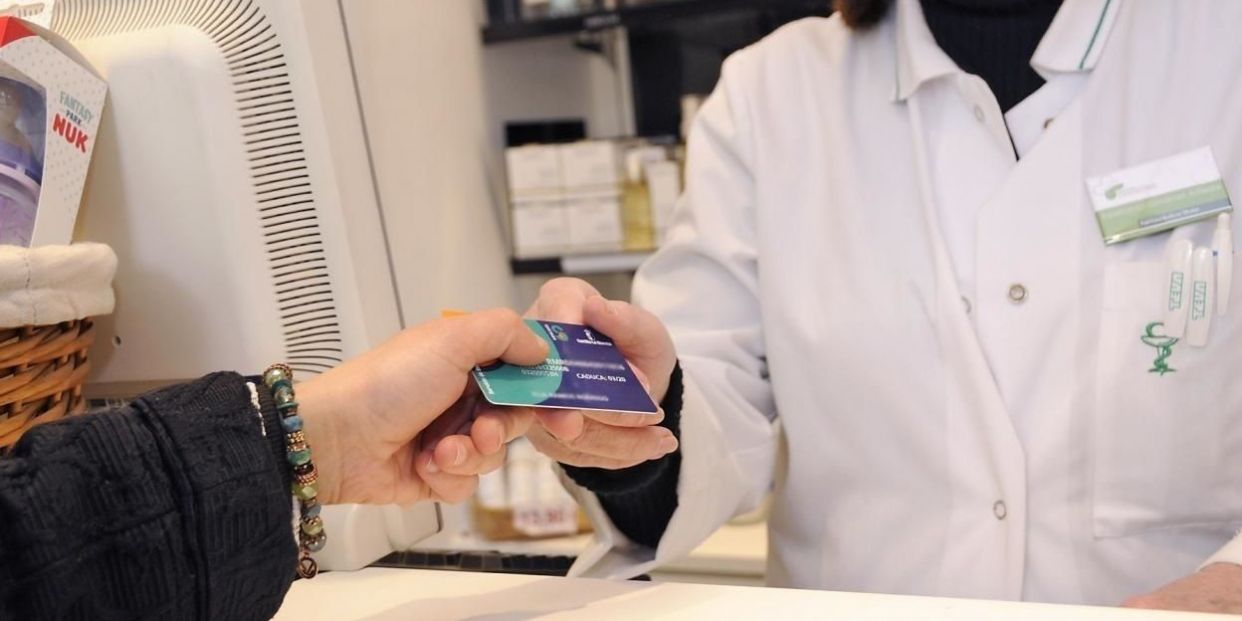
The arranged electronic prescription of the General Mutuality of State Civil Servants (MUFACE) will be operational in Castilla y León from April 7benefiting 68,680 mutual members who have chosen the concerted option. This advance eliminates the need for paper checkbooks and travel for visas, allowing medications to be collected from pharmacies in Ávila, Burgos, León, Palencia, Salamanca, Segovia, Soria, Valladolid and Zamora with greater traceability, security and sustainability.
With this addition, the service already active in 15 autonomous communities (Aragón, Asturias, Canary Islands, Cantabria, Extremadura, Galicia, La Rioja, Navarra, Murcia, Balearic Islands, Castilla-La Mancha, Community of Madrid, Basque Country, Valencian Community) and two autonomous cities (Ceuta and Melilla) will add more than 600,000 beneficiaries in total. Since its implementation, there have been registered 1,723,404 prescriptions and 3,978,584 dispensationsconsolidating a unique model of public-private collaboration through the Integrated Electronic Prescription System (SIREM).
National deployment underway
The accession of Castilla y León follows that of the Valencian Community in March and will precede Catalonia and Andalusia in the coming months, completing the national rollout before the end of 2026. Myriam Pallarés, general director of MUFACE, highlighted in the institutional presentation in Valladolid that the objectives for this year include not only total coverage, but also extending its use among mutual members, going from 20% to 80% in some regions through multidisciplinary teams.
A dispersed and aging community. In Castilla y León, with a 40.5% of mutual members over 65 years of age and high rural population, this system avoids unnecessary trips to vulnerable people. The Government delegate, Nicanor Jorge San Vélez, emphasized that institutional collaboration is key to improving public services via digitalization.
Voices from the pharmaceutical and medical sector
Raquel Martínez, general secretary of the General Council of Pharmaceutical Colleges, celebrated that in a region with 1,578 community pharmacies -he 66% in rural areas— the prescription will provide the benefit more agile, comfortable and safereinforcing coordination and continuity of care. María Engracia Pérez, president of CONCYL, highlighted the fundamental role of this network for chronic patients, covering the 92% of the population in their municipalities.
José Luis Díaz, president of CCOMCYL, appreciated the progress but demanded technical guarantees, adequate training and no extra bureaucracyadapted to rural areas and focused on direct patient care. The meeting was attended by representatives of MUFACE, professional associations, insurance entities such as Adeslas and ASISA.
[ad_2]
Source link