[ad_1]
The Alzheimer’s disease It affects millions of people around the world, but its diagnosis is often more difficult in the early stages, precisely when new treatments could be most effective.
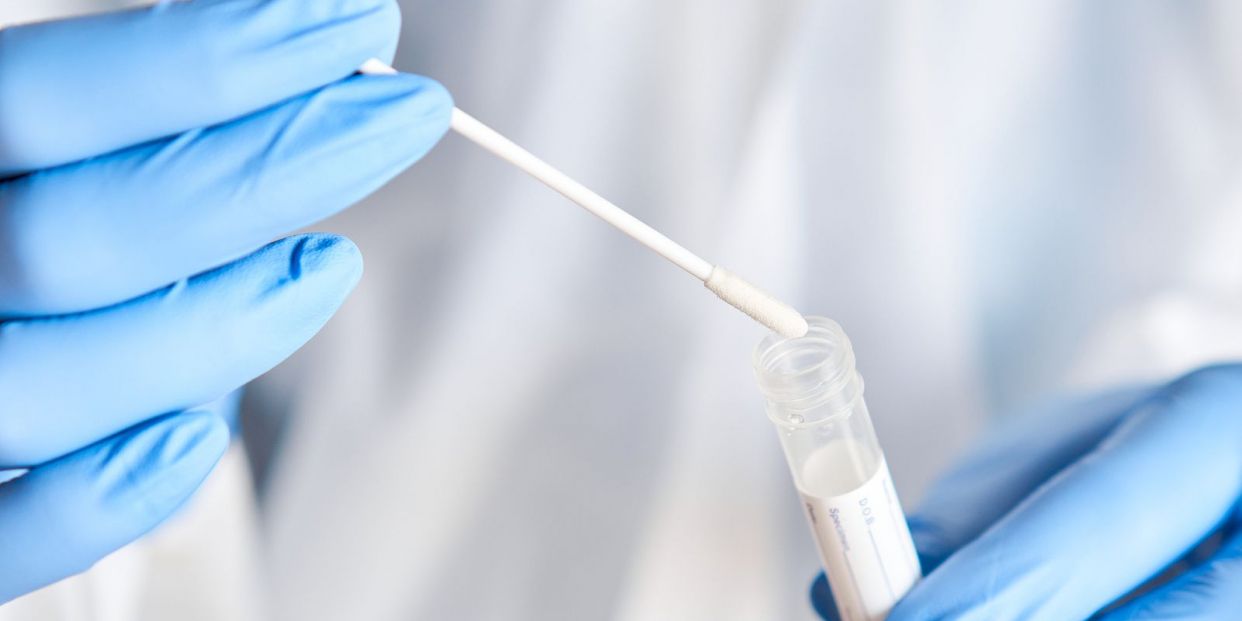
Now, new research offers a glimmer of hope: researchers from Duke Health (USA), according to a statement from the entity itselfhave shown that a quick outpatient nasal swab It can detect early biological changes linked to the pathology, even before symptoms appear.
The study, published March 18 in the journal Nature Communicationsused a soft swab inserted high in the nose to collect nerve cells and immune system.
After analyzing them, the scientists discovered clear patterns that allowed them to differentiate people with early or already diagnosed Alzheimer’s from those who They did not suffer from the disease.
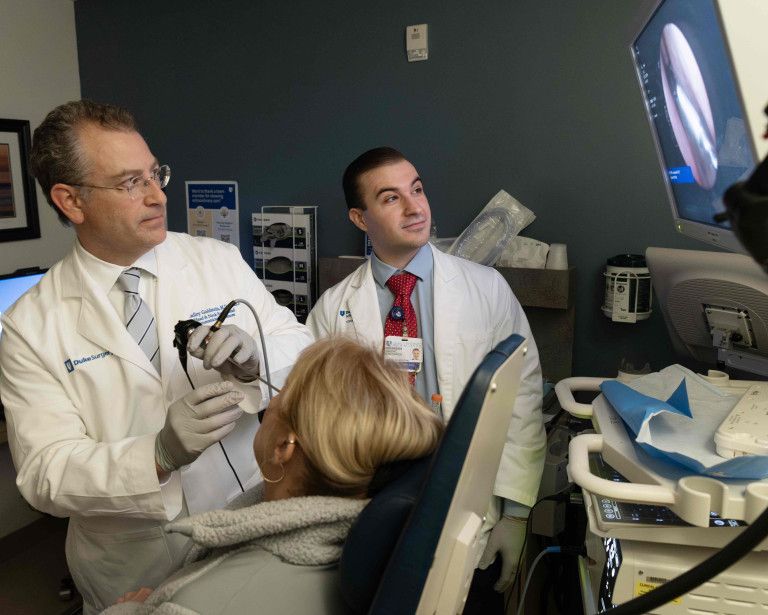
The nasal cell collection procedure lasts just a few minutes. After applying an anesthetic spray, a doctor guides a small brush to the top of the nostril, where the nerve cells responsible for detecting odors are located. Subsequently, researchers study what genes are activewhich serves as an indicator of what is happening inside the brain.
“We want to be able to confirm Alzheimer’s very early, before damage has a chance to accumulate in the brain,” says Dr. Bradley J. Goldstein, corresponding author of the study and professor at Duke University School of Medicine. “If we can diagnose people early enough, We could start therapies that prevent them from developing clinical Alzheimer’s“.
For the investigation, samples of 22 participantsmeasuring the activity of thousands of genes in hundreds of thousands of individual cells, resulting in millions of data points. The nasal swab was able to capture early alterations in immune and nerve cells, even in people who showed signs of Alzheimer’s in laboratory tests but did not yet have symptoms. In fact, a combined genetic score of nasal tissue successfully separated early and clinical Alzheimer’s cases from healthy controls in 81% of the time.
Unlike current blood tests for Alzheimer’s, which detect markers that appear later in the disease process, this nasal swab captures the live nervous and immune activity. This could provide an earlier and more direct view of changes related to the pathology, helping to identify people at risk earlier.
“Much of what we know about Alzheimer’s comes from autopsy tissue,” explains Vincent M. D’Anniballe, first author of the study. “We can now study living neuronal tissue, opening new possibilities for diagnosis and treatment“.
The human component of the research has also been fundamental. Mary Umstead, a volunteer participant, joined the study in honor of her late sister, Mariah, who was diagnosed with early-onset Alzheimer’s at age 57. “When the opportunity arose to be part of a research study“I jumped on it right away because I wouldn’t want any family to have to go through the kind of loss we suffered with Mariah,” he said.
Currently, the Duke team, in collaboration with the Duke Alzheimer’s Disease Research Center and the University of North Carolina (UNC), is expanding the research to larger groups. The future goal is to explore whether this swab could also help track the effectiveness of treatments over time. Duke University has already filed a US patent related to this innovative approach, the development of which has been funded by the National Institutes of Health (NIH).
[ad_2]
Source link