[ad_1]
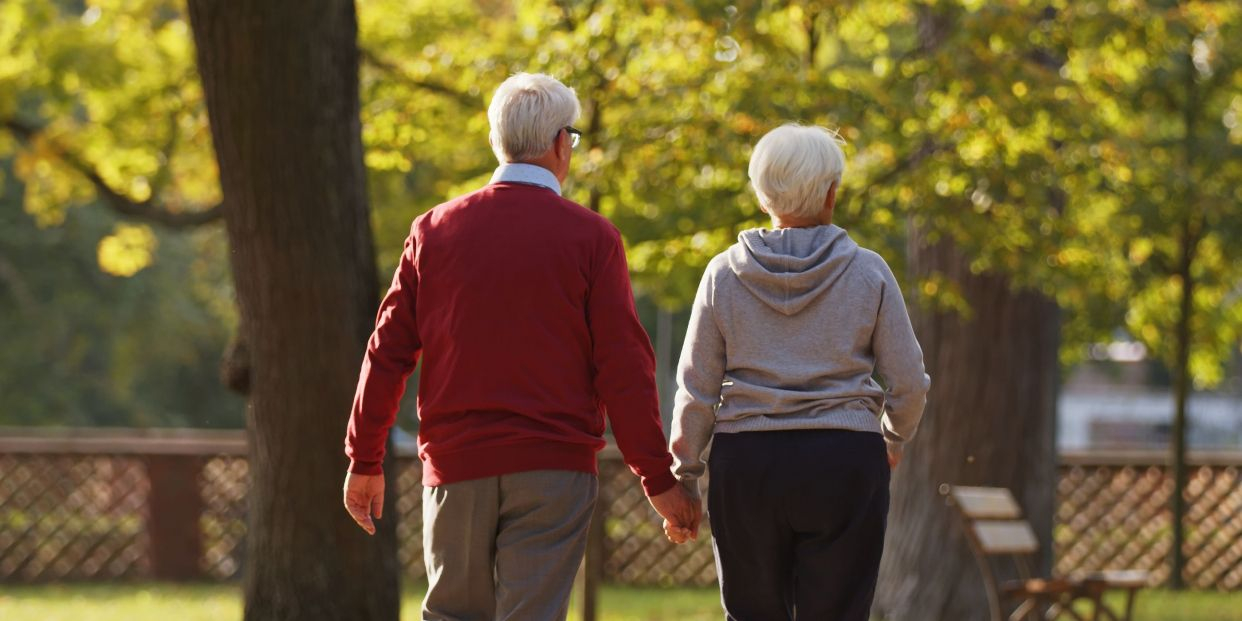
walk between 10 and 15 minutes after eating, a practice popularized on social networks under the name of ‘fart walk’could provide real health benefits, according to the doctor Cristina Petrattispecialist in Obesity and Nutrition of the Physical Exercise and Obesity Group of SEEDO. This simple habit, explains the expert, promotes digestion, helps keep blood sugar levels stable and contributes to cardiovascular and emotional well-being. However, he clarifies that the benefits depend on maintaining a gentle and constant pace of walking, without turning it into an intense exercise.
In an interview with Europa Press Salud Infosalus, the doctor Petratti explained that the practice consists of a light walk immediately after meals. “It stimulates gastrointestinal motility, promoting gastric emptying and intestinal peristalsis,” he stated. “In addition, it has a well-documented metabolic impact: several clinical studies show that it helps reduce the postprandial glucose peak – that is, the increase in blood sugar that occurs after a meal – and thereby moderates the insulin response,” he adds.
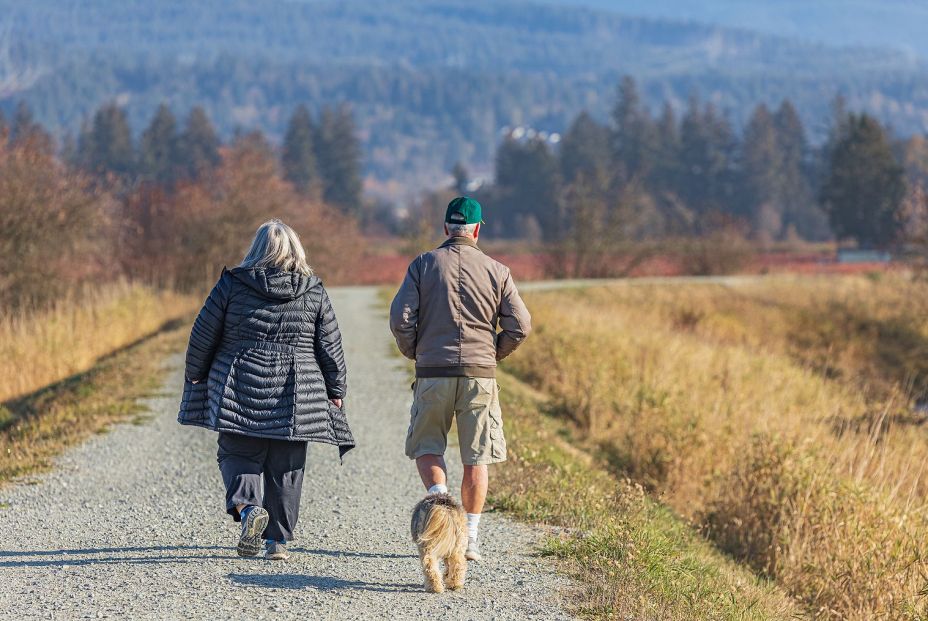
The expert maintains that, although it may seem like a minimal gesture, walking after food is a low cost prevention strategywithout adverse effects and very sustainable, particularly useful in people who cannot perform vigorous exercise. The spokesperson for the Spanish Obesity Society indicates that incorporating these walks after each meal can:
-
Improve glucose tolerance and lipid metabolism.
-
Reduce blood pressure diastolic.
-
Promote digestion and abdominal well-being.
-
Elevate mood and the feeling of energy.
According to Petrattia trial from the University of George Washington (DiPietro et al., Diabetes Care, 2013) showed that three long walks 15 minutes after each meal reduced average blood glucose more than a single 45-minute walk a day.
Now, this specialist and member of the SEEDO highlights that “the most consistent benefit” is metabolic, given that the post-meal walk improves glucose management and insulin sensitivity; effects that add up if they are maintained regularly. Recent meta-analyses (Engeroff et al., Nutrients, 2023) confirm that brief and repeated physical activity after eating reduces glucose and insulin up to 20-30% regarding remaining seated.
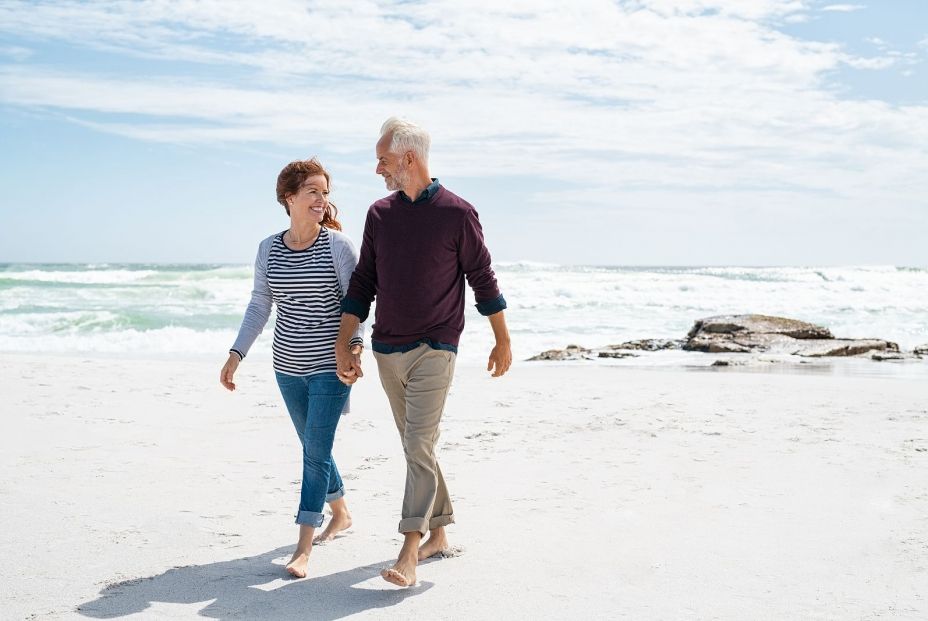
Furthermore, studies from 2024 (Hashimoto et al., Sci Rep) show that only 10 minutes Immediate walking reduces the glycemic peak in young adults. This cumulative effect, sustained over time, translates into better global metabolic control, and a lower risk of developing insulin resistance,” explains the nutrition and obesity expert.
At the same time, he highlights Petratti which could be considered a preventive tool against insulin resistance or type 2 diabetes, but as long as it is part of an active lifestyle. “The daily repetition of these small stimuli – movement after each meal – has a cumulative effect on insulin sensitivity. Various reviews indicate that controlling postprandial glycemic peaks is as important as reducing average glucose. Therefore, this habit, integrated into a plan that includes healthy eating, muscle strength, and restful sleep, can prevent or delay the progression towards type 2 diabetes, especially in people with metabolic syndrome, or with a family history,” he insists to our questions.
Cardiovascular and emotional benefits
At a cardiovascular level, he says that small doses of movement after eating contribute to improve diastolic blood pressure and endothelial function, by interrupting prolonged periods of sedentary lifestyle (Bailey et al., Med Sci Sports Exerc, 2015).
And emotionally, he continues, evidence shows that even brief periods of light physical activity increase the release of endorphins and dopaminereducing postprandial tension and anxiety. “It is not a placebo effect, but the physiological response to movement,” he specifies.
Does it work to lighten digestion?
Of course, despite what is circulating on social networks, the doctor Cristina Petratti states that fart walking does serve to lighten digestion, although he clarifies that everything depends on the intensity: “Gentle exercise after eating stimulates gastric motility and can relieve sensations of heaviness, bloating or mild reflux (Franke et al., Eur J Gastroenterol Hepatol, 2008). However, if intense effort is made immediately after eating, the opposite effect is produced: gastric emptying is slowed down and gastric emptying is increased. risk of gastroesophageal reflux (Iovino et al., Neurogastroenterol Motil, 2021) That is why a walk at a comfortable pace is recommended, capable of maintaining a conversation without difficulty,” he adds.
Here, the SEEDO member also clarifies that the evidence indicates that 10 to 15 minutes light walking within the first 10–20 minutes after eating they are enough to generate benefits. “Micro-steps of 2–5 minutes can also be performed every 20–30 minutes of sitting (Dunstan et al., Diabetes Care, 2012). The key is to maintain a low or moderate intensity (2–3 on a scale of perceived effort of 10): conversational rhythm, fluid breathing, and no feeling of fatigue,” he points out.
[ad_2]
Source link