[ad_1]
endometriosis It is one of the most common gynecological diseases among women of childbearing age, affecting approximately 10% of the female population. Although it is primarily associated with symptoms such as chronic pain and difficulties conceiving, its impact goes much further. This pathology has repercussions on the workplace, mental health and motherhood, which makes its diagnosis and treatment issues of social relevance.
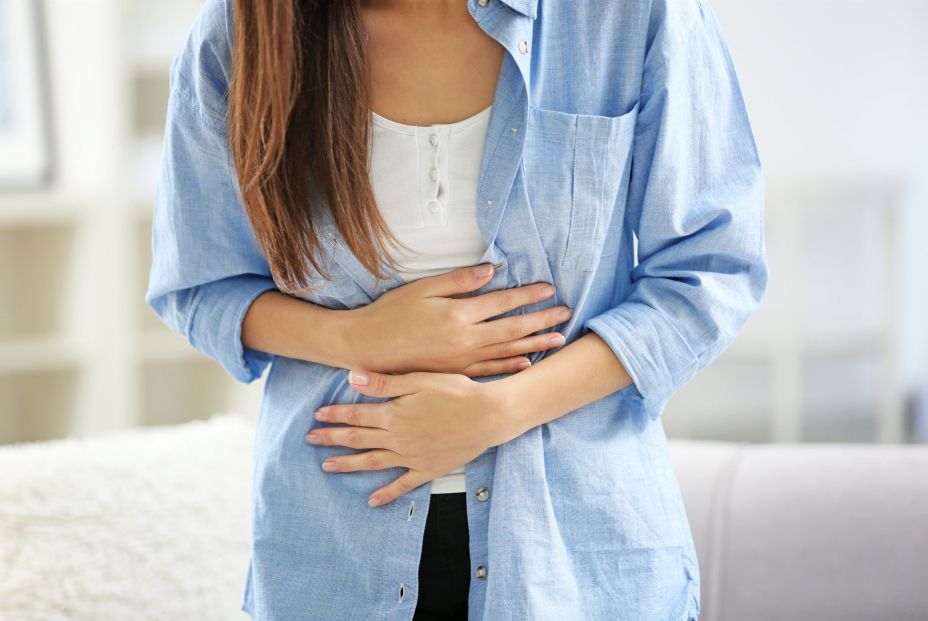
For many women, the diagnosis of endometriosis not only represents a medical challenge, but also an obstacle in their personal and professional development. The intense pains that characterize this disease, along with treatment periods, may interfere with the ability to attend work or maintain an active social life. In fact, it is estimated that 20-30% of women with endometriosis experience absenteeism from work due to pain or complications associated with the disease, which can impact their economic and professional stability.
Besides, The psychological impact of endometriosis is significant. Frustration over the lack of a quick and clear diagnosis, along with the fear of not being able to have children, can lead to a feeling of isolation and chronic stress. Depression and anxiety are prevalent conditions among those who suffer from the disease, affecting their general well-being and quality of life.
One of the biggest challenges for women with endometriosis is the impact that the disease has on their ability to be mothers. In addition to difficulties conceiving, women with endometriosis have an increased risk of gestational complications, such as preeclampsia and miscarriage. These factors further aggravate emotional and psychological distress, leading many women to face a real battle to achieve a healthy pregnancy.
However, scientific research is advancing and offering new hope for these women. The study carried out by the research group “Treatment and diagnosis of uterine diseases”, directed by Dr. Hortensia Ferrero at the IVI Foundation, seeks to unravel the underlying biological causes of pregnancy complications in women with endometriosis and states that “these advances promote a science where the female body is placed at the center of scientific knowledge, which not only seeks to cure, but also improve the quality of life and guarantee medical care more focused on the reality of women with endometriosis.”
The analysis carried out by Dr. Ferrero and her team at the La Fe Health Research Institute in Valencia has revealed important discoveries regarding the proteomic profile of the endometrium in women with endometriosis. Using advanced endometrial organoid culture models, it has been identified how alterations in more than 360 proteins could be responsible for pregnancy complications, such as spontaneous abortion or preeclampsia. These advances could pave the way for personalized treatments that not only improve fertility, but also help prevent complications during pregnancy.
The use of endometrial organoids, that allow conditions similar to those at the beginning of pregnancy to be recreated in the laboratory, is an example of how science can generate innovative solutions for complex health problems.
This scientific advance represents a light at the end of the tunnel for many women struggling with the after-effects of endometriosis, offering the possibility of safer motherhood and treatments that can be adapted to the individual needs of each patient. In the words of Dr. Ferrero, “we can study how their endometrium responds to hormones, medications or even identify specific alterations related to endometriosis. This will allow us to design personalized treatments in these women to improve endometrial receptivity and reduce risks in pregnancy.” As research continues, women affected by endometriosis can expect not only medical advances, but also greater recognition of the social and work challenges they face daily.
Ultimately, the science behind endometriosis not only seeks to relieve physical pain, but also improve the quality of life of women, giving them the possibility of leading a fuller and healthier life, both personally and professionally. “This study not only analyzes deregulated proteins and metabolic pathways in the endometrium of women with endometriosis, but also focuses on women’s health, and specifically, the health of women with endometriosisrecognizing the importance of their experiences and working so that their needs are met and concrete solutions to their problems can be developed,” concludes Dr. Ferrero.
[ad_2]
Source link