[ad_1]
A team of Higher Council for Scientific Research (CSIC) has carried out the greatest epigenetic study on giant cell arteritisa disease that inflames large arteries, such as those that supply the head and neck, in people over 50 years of age.
Through biopsy analysis, DNA changes related to inflammation and blood vessel repair were observed. Furthermore, they identified 37 genes involved, some never before associated with this pathology. These findings open the door to new biomarkers and treatments.
Carried out by researchers from the López-Neyra Institute of Parasitology and Biomedicine (CSIC) in Granada, as part of an international network with the participation of Spain, Italy and France, it has been published in Arthritis & Rheumatologyone of the journals with the greatest impact in the area of rheumatology.
It is about the largest epigenetic study carried out to date in arterial tissue from patients with giant cell arteritis, a persistent inflammation in the arteries that the immune system is unable to regulate.
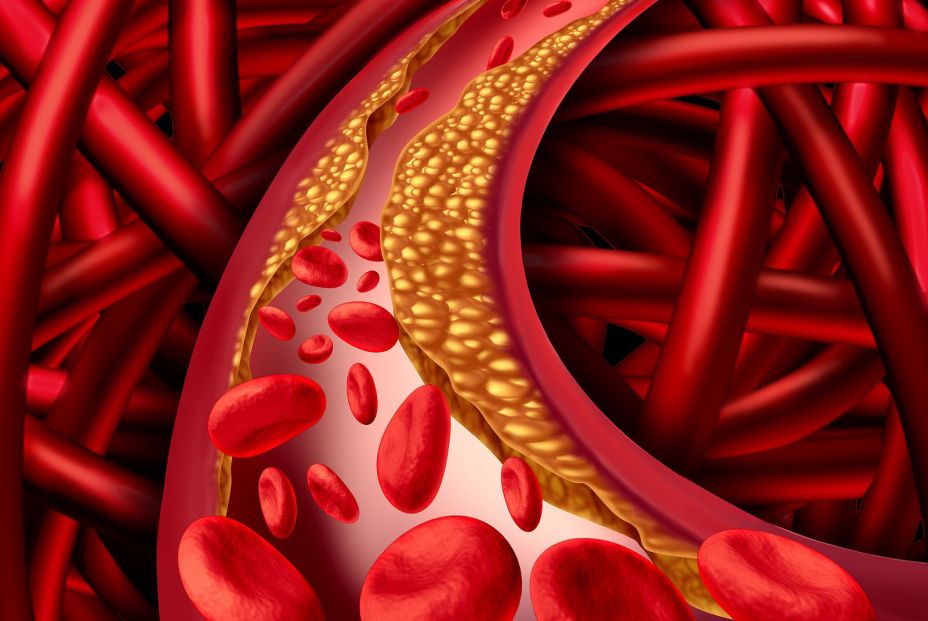
It receives this name because, when examining the wall of the affected arteries under a microscope, fused immune cells are observed that form very large structures, known as multinucleated giant cells. These cells appear as part of the inflammatory response that damages the inner layer of the artery, causing thickening and narrowing of the vessel.
The causes and pathology of arteritis of giant cells are still little known. It mainly affects people over 50 years old and occurs as a consequence of an uncontrolled reaction of the immune system that favors the infiltration of inflammatory cells into the arterial tissue, causing persistent lesions.
In more severe cases, the inflammation reduces or blocks blood flow in the artery, potentially cause serious complications such as blindness or stroke. Research on this disease faces a major difficulty: obtaining samples of directly affected tissue. Researchers have managed to overcome this barrier by working with inflamed arteries obtained through biopsies performed during clinical diagnosis.
These types of samples are very difficult to obtain for scientific purposes, and it has only been possible thanks to the close and continued collaboration with the medical teams responsible for carrying out these interventions. This synergy between researchers and clinicians has allowed us to characterize, with a direct and large-scale approach, the molecular mechanisms that take place in the target tissue of the disease.
Javier Martinresearch professor at IPBLN-CSIC and responsible for the collaboration, points out that “for the first time we have been able to analyze what happens in the affected artery itself, without inferring it from the peripheral blood. This direct access to the target tissue is a methodological advantage that has required years of planning and work.”
Methylation marks
To better understand this disease, researchers have studied chemical signatures of the DNA (methylation marks) that cells use to control which genes are active and which are not.
The results show that cells from the arteries of patients with giant cell arteritis They have a different methylation profilewhich demonstrates that this inflammation of the arteries profoundly changes cellular functioning in the context of the autoimmunity process.

From the bioinformatics aspect of the project, Gonzalo Borregopredoctoral researcher at the IPBLN-CSIC, explains that “studying methylation provides context: not only which genes exist, but how they are being used in the affected artery. It allows us to see which genes are active and which are not, or, in other words, understand which processes are altered during the development of this vasculitis.”
New data on the disease
The results of this approach have revealed new inflammatory pathways never before described in arteries affected by the diseaseand represent new potential therapeutic avenues for affected people, who have limited treatment options.
One of the main novelties of the study is the possible implication of a phenomenon called T cell exhaustion. This process occurs when these immune system cells lose their ability to effectively combat inflammation, as a result of prolonged exposure to inflammatory signals.
Researchers suggest that this exhaustion could be an important factor in development. This deterioration in the functioning of Tahora cells described suggests new hypotheses to explain how it develops and maintains inflammation in the arterial tissue.
In a healthy immune response, these cells should shut down inflammation once the cause has been eliminated, preventing tissue damage. However, in this disease, T cells appear to be trapped in a dysfunctional state, which could explain why inflammation is maintained over time.
This phenomenon, known as cellular exhaustion, has been observed in other autoimmune diseases, and its identification in giant cell arteritis opens a new avenue to understand how this condition develops and perpetuates itself.
Understanding how immune cells in the artery are reprogrammed involves a basis for developing more personalized interventions to help patients with this disease.
[ad_2]
Source link