[ad_1]
Researchers of the University of East Angliain collaboration with the Queen Mary University of London (United Kingdom), have identified metabolites derived from microorganisms linked to gut microbiota that could help detect dementia years earlier than a traditional diagnosis.
The study, published in ‘Gut microbes’ and partly funded by Alzheimer’s Research UK, reinforces the idea that gut-brain connection It plays an important role in early memory changes, and its authors are confident that the findings could one day transform the way dementia is detected.
This disease, which affects 55 million people in the world“it is one of the greatest public health challenges,” according to the main researcher, David Vauzour. “With cases projected to increase dramatically as populations age, the urgency for earlier detection, better support and meaningful prevention strategies has never been greater,” he highlighted.
The research analyzed blood and stool samples from 150 adults aged 50 and older, ranging from healthy individuals to those with mild cognitive impairment, which is often a precursor to dementia. Also included were people who experience subjective memory lapses, who still perform normally on standard cognitive tests but feel that something is “not quite right.”
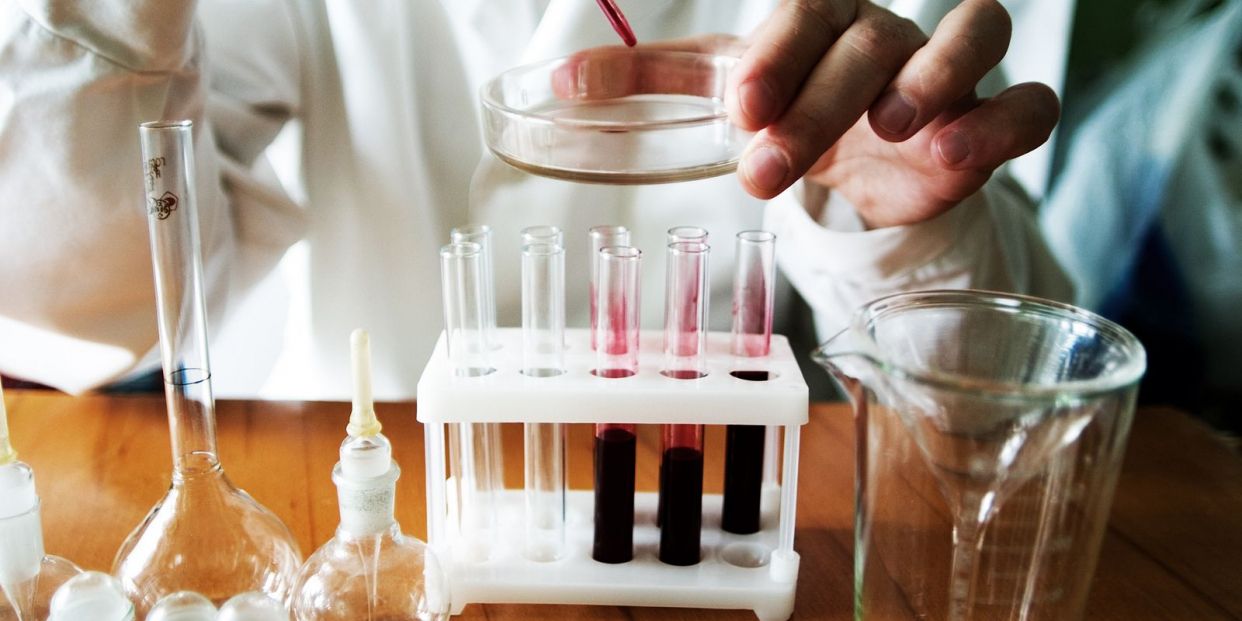
The scientists examined the blood samples in the laboratory to analyze 33 key metabolites produced by the gut microbiota. From the feces, they mapped the unique communities of bacteria living in the participants’ digestive systems.
Using advanced computer models and machine learning powered by artificial intelligence (AI), they explored whether specific combinations of these metabolites could differentiate healthy people from those experiencing a early cognitive impairment.

Findings
“What we discovered was truly surprising. Even in people who were just beginning to notice slight changes in memory, clear changes were observed both in their intestinal bacteria and in the metabolites they release into the bloodstream,” Vauzour detailed.
A machine learning model built on just six of these metabolites (indoxyl sulfate, choline, 5-hydroxyindoleacetic acid, 3-indolepropionic acid, kynurenic acid, and kynurenine) was able to classify people into the three groups with 79 percent accuracy and was able to distinguish healthy adults from those with mild cognitive impairment with more than 80 percent accuracy.
The researchers hope that these findings will allow, in the future, develop simple, non-invasive blood tests capable of identifying people at highest risk of dementia years before it is diagnosed, based on the presence of the identified metabolites.
The study also highlights the Potential of the gut microbiome as a target to protect brain health. “If certain gut bacteria or the chemicals they produce contribute to early cognitive decline, treatments that include diet, probiotics, microbiome-based therapies or personalized nutrition could one day be part of dementia prevention strategies,” explained Dr. Vauzour.
[ad_2]
Source link